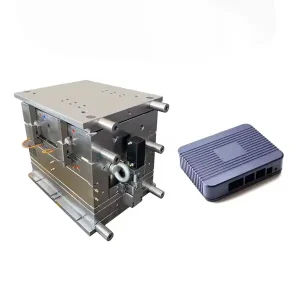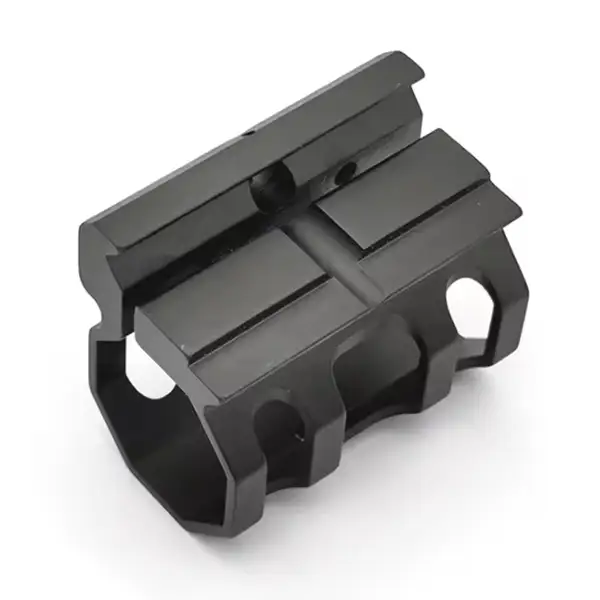
Custom TPE injection molding service with AIM plastic, with design and engineering support, OEM, ODM, injection mold making, competitive price, shipment support
Thermoplastic elastomers (TPEs) have become one of the most versatile thermoplastic elastomer polymer materials in modern plastic manufacturing.
By combining the elasticity of rubber with the processing advantages of thermoplastic plastic resin, TPE injection molding enables manufacturers to produce flexible, durable, and high-performance injection molded components at scale using standard injection molding machines.
From consumer products and automotive interiors to medical devices and electronics, thermoplastic elastomer molding plays a critical role in delivering soft-touch, impact-resistant, and ergonomic TPE products. With adjustable hardness, reliable elasticity, and excellent durability, TPE materials are widely used in applications requiring comfort, grip, and mechanical performance.
[bg_collapse_level2 view=”link” color=”#e34507″ icon=”arrow” expand_text=”Read More” collapse_text=”Read Less” ]
This guide offers a comprehensive overview of TPE injection molding, encompassing TPE material properties, the injection molding process, design considerations, advantages, limitations, and real-world applications of thermoplastic elastomers.
TPE injection molding is a manufacturing process that forms parts by injecting molten thermoplastic elastomer resin into a precision-engineered mold. TPEs are a class of polymers that behave like rubber at room temperature but melt and flow like thermoplastic polymer materials when heated beyond their melting point.
Unlike traditional rubber molding based on thermoset elastomers, compression molding, or vulcanization, TPE materials do not chemically crosslink during processing. Instead, they can be processed through injection molding with thermoplastic materials, recycled as raw material, and remelted multiple times with minimal loss of key properties of TPE, including tensile strength and elasticity.
This makes TPE injection ideal for high-volume production of flexible TPE parts that require consistent quality, tight tolerances, and repeatable dimensional stability.
Thermoplastic elastomers are engineered polymer blends or block copolymers—commonly based on SEBS or SBS—designed through controlled formulation to combine:
Elastic behaviour and rubber-like recovery
Thermoplastic processability in injection molding machines
Excellent surface aesthetics and soft-touch feel
Chemical resistance and long-term fatigue resistance
Because of their inherent elasticity, TPEs return to their original shape after deformation, making them suitable for seals, grips, gaskets, and soft-touch surfaces. Final TPE material properties, such as hardness, tensile strength, and temperature resistance, depend heavily on compound formulation and material selection.
Different TPE compounds are available, each offering specific mechanical, thermal, and chemical properties that affect the injection molding of TPE materials and end-use performance.
TPE-S (Styrenic Block Copolymers / TPS)
Based on SEBS or SBS polymer systems
Most widely used TPE family
Excellent flexibility and surface feel
Easy to inject and cost-effective
Used in grips, seals, toys, and consumer goods TPE parts
TPU (Thermoplastic Polyurethane)
High abrasion resistance and tensile strength
Excellent mechanical durability
Good oil and chemical resistance
Used in footwear, cables, medical TPE injection molding, and automotive TPE components
TPE-O (Thermoplastic Olefins)
Polyolefin-based thermoplastic elastomer
Good UV and weather resistance
Lower cost compared to TPU
Common in automotive interior and exterior TPE parts
TPE-V (Thermoplastic Vulcanizates)
Rubber-like elasticity with thermoplastic processing
Better heat and chemical resistance
Performance closer to thermoset rubber
Ideal for automotive seals and under-hood molded parts
TPE-E (Copolyester Elastomers)
Excellent temperature stability
High fatigue and creep resistance
Used in industrial and mechanical applications
The TPE molding process follows the same fundamentals as conventional plastic injection molding, with specific TPE processing parameters adjusted to account for elastomeric behaviour.
Some TPE grades, especially TPU and copolyester elastomers, require drying to remove moisture from TPE pellets. Proper drying prevents defects such as splay, bubbles, and surface imperfections in the final injection-molded part.
Dried TPE pellets are fed into the barrel, where a rotating screw applies heat and shear until the raw material becomes fully molten. Typical TPE melt temperature ranges from 160°C to 230°C, depending on polymer type, hardness, and temperature resistance requirements.
The molten TPE resin is injected into the mold cavity under controlled pressure and speed. Accurate control of how the material is injected ensures smooth flow, proper cavity filling, and consistent molded part quality.
The molten material cools and solidifies in the mold. Compared with thermoset rubber, TPEs offer faster cooling cycles, improving overall production efficiency in flexible plastic injection molding.
Once cooled, the finished TPE molded part is ejected. Thanks to excellent flow behaviour and surface replication, most TPE parts require minimal post-processing.
TPE combines rubber-like softness and elasticity with the speed and precision of thermoplastic injection molding.
Because no curing or vulcanisation is required, the injection molding process for TPE is significantly faster than rubber compression molding.
TPE injection molding supports thin walls, complex geometries, integrated sealing features, and multi-material designs following established guidelines for injection molding.
TPE bonds well with rigid plastics such as ABS, polypropylene (PP), polycarbonate (PC), and nylon (PA). This enables overmolding with TPE, TPE overmolding, and two-shot injection molding TPE applications.
Scrap runners and rejected parts can often be recycled and reused as raw material, unlike thermoset elastomers.
Injection-molded TPE parts provide soft-touch feel, matte or glossy finishes, colour consistency, and non-slip surfaces.
While TPE offers many advantages, limitations include:
Lower heat and long-term temperature resistance than thermoset rubber
Potential creep under constant load
Higher material cost compared to standard plastics
Performance sensitivity to formulation and processing parameters
Careful material selection and mold design are essential to balance these factors.
Uniform wall thickness ensures consistent cooling and dimensional stability. Typical thickness ranges from 1.0 to 3.0 mm, depending on hardness and part geometry.
Adequate draft angles (1–3°) help prevent sticking and ensure smooth ejection of flexible TPE parts.
Proper gate placement avoids jetting, flow marks, and air traps. Fan or tab gates are commonly used based on TPE molding design guidelines.
Good venting prevents burn marks and incomplete filling caused by trapped air during injection.
Shrinkage varies by TPE grade, hardness, and formulation. Mold dimensions must be adjusted accordingly, often supported by mold flow analysis for TPE.
TPE overmolding involves injecting a soft thermoplastic elastomer layer over a rigid plastic substrate to improve grip, comfort, sealing, and product durability.
Enhanced ergonomics
Improved aesthetics
Integrated functionality
Reduced assembly steps
PP + TPE
ABS + TPE
PC + TPE
Nylon + TPE
Successful overmolding depends on polymer compatibility, bonding strength, and controlled processing on the injection molding machine for TPE.
TPE injection molding is widely used in automotive manufacturing due to its excellent elastomeric behaviour, abrasion resistance, and durability under high temperature and repeated deformation. Common automotive TPE applications include:
Door seals designed for flexible seal molding with long-term compression recovery
Air vent components requiring precise wall thickness and chemical-resistant TPE materials
Soft-touch buttons produced through soft-touch overmolding on rigid substrates
Cable grommets that must flex repeatedly while maintaining tear strength
Interior trim parts that demand TPE color matching, slip resistance, and consistent surface quality
Many automotive TPE components are also suitable for outdoor applications, offering UV stability and resistance to oils and fluids.
In consumer goods manufacturing, injection-molded TPE parts provide comfort, grip, and long service life across a wide variety of formulations:
Tool handles produced using flexible grip molding for improved ergonomics
Toothbrush grips combining elastomeric softness with high abrasion resistance
Phone cases requiring impact absorption, elongation, and tear resistance
Wearable devices that rely on skin-friendly thermoplastic elastomer grades
Household appliance components where durability and slip resistance are critical
Compared to PVC or silicone, TPE offers better recyclability, easier processing, and improved cost efficiency for mass-market consumer products.
Medical TPE injection molding focuses on controlled physical properties, clean processing, and regulatory compliance. Typical medical applications include:
Seals and gaskets are produced with tight TPE molding tolerances
Flexible tubing requiring high elongation and chemical resistance
Syringe components molded with smooth surfaces and consistent viscosity control
Medical grips are manufactured from FDA-compliant grades with reliable durability
Medical TPE parts often require post-molding operations for TPE, including trimming, cleaning, and inspection to ensure patient safety.
In electronics, TPE injection molding is used to protect sensitive components while maintaining flexibility and design freedom:
Shock-absorbing housings that reduce vibration and mechanical stress
Cable strain reliefs that prevent fatigue failure at bend points
Keypads produced using soft-touch overmolding on rigid plastic substrates
Protective covers designed to fill the mold and solidify without warpage
These applications benefit from precise TPE screw design and controlled injection molding parameters to ensure consistent molded part quality.
Industrial applications demand robust mechanical properties and resistance to harsh environments. TPE injection molding is commonly used for:
Vibration dampers are designed to absorb energy under high pressure
Flexible connectors that maintain performance under repeated flex and deformation
Protective bumpers with excellent abrasion resistance and tear strength
Sealing elements produced through elastomer injection molding tooling for long service life
Industrial TPE parts are often engineered for durability under high mechanical load and temperature variation.
| Feature | TPE Injection Molding | Rubber Molding |
|---|---|---|
| Processing | Thermoplastic | Thermoset |
| Curing | Not required | Required |
| Cycle Time | Short cycle times | Long |
| Recyclability | High | Limited |
| Overmolding | Easy, including soft touch overmolding | Difficult |
| Cost Efficiency | High productivity and lower unit cost | Lower productivity |
Compared to thermoset rubber or silicone molding, TPE injection molding allows molten plastic to be injected at high pressure into the mold cavity, where the material is injected, fills the mold, and solidifies rapidly into a finished part. This results in better scalability and lower overall cost of TPE injection molding.
Ensuring consistent quality in high-volume TPE production requires strict process control and engineering discipline:
Material certification and raw material traceability
Precise control of injection molding parameters such as viscosity, pressure, and cycle times
Dimensional inspection to verify wall thickness and sharp corners
Surface finish checks and elastomer finishing techniques
Functional testing, including compression, elasticity, fatigue, and elongation
Advanced manufacturers also use mold flow analysis to optimise filling behaviour, reduce warpage in TPE parts, and support cycle time optimization in TPE molding. Effective TPE injection molding troubleshooting helps identify issues related to flow, shrinkage, or part deformation early in production.
Modern thermoplastic elastomer molding supports sustainability goals through:
Recyclability of scrap runners and rejected parts
Reduced energy consumption due to shorter cycle times
Lightweight part design without sacrificing mechanical performance
Long product lifespan and durability
Sustainable TPE compounds, including bio-based and low-VOC formulations, are increasingly used in automotive, footwear, and consumer goods applications. Recycling TPE materials is significantly easier compared to thermoset elastomers.
When selecting a TPE molding partner, manufacturers should evaluate:
Expertise in thermoplastic elastomer grades and TPE durometer selection
Capability in mold design, mold cavity engineering, and TPE screw design
Experience with overmolding, two-material processing, and substrate bonding
Quality certifications such as ISO, IATF, or FDA compliance
Ability to support prototype development and scale to high-volume production
Engineering support for material selection and injection molding optimization
The right material choice and an experienced partner are essential for producing reliable custom TPE molded parts.
The TPE industry continues to evolve with advances such as:
Bio-based and environmentally friendly TPE materials
High-temperature and chemical-resistant TPE compounds
Improved bonding performance for multi-material designs
Smart elastomeric materials with tactile and functional feedback
Lightweight automotive and industrial solutions
As demands for flexibility, sustainability, and performance increase, TPE injection molding will remain a core technology for modern injection-molded plastic components.
TPE injection molding offers a powerful combination of flexibility, efficiency, and design freedom. By merging rubber-like elasticity with thermoplastic processing advantages, TPE enables manufacturers to produce high-quality injection-molded parts across a wide range of industries.
Whether used for overmolding, soft-touch surfaces, flexible seal molding, or complex elastomeric components, TPE injection molding delivers superior performance, excellent recyclability, and scalable manufacturing solutions.
With the right material selection, tooling design, and process expertise, thermoplastic elastomer molding will continue to shape the future of advanced plastic manufacturing.
[/bg_collapse_level2]