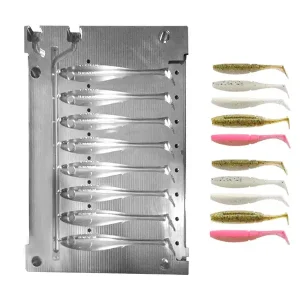
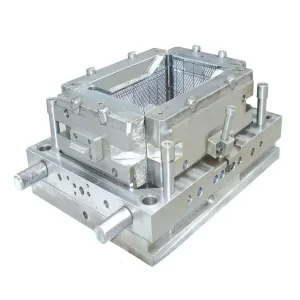
Custom acrylic injection molding service with AIM plastic, with design and engineering support, OEM, injection mold making, competitive price, shipment support
Acrylic injection molding is a widely used plastic injection molding process for producing high-clarity, rigid, and aesthetically refined plastic parts. Known scientifically as PMMA (polymethyl methacrylate), acrylic is a transparent thermoplastic valued for its optical performance, weather resistance, surface finish, and dimensional stability.
Often referred to as plexiglass, acrylic is commonly used as a lightweight replacement for glass in applications requiring both visual appeal and mechanical reliability.
In this ultimate guide to acrylic injection molding, we explore what PMMA injection molding is, how the injection molding process works, key properties of acrylic, advantages and limitations, common acrylic products, design guidelines, acrylic mold design, tooling considerations, quality control, and future trends.
Whether you aim to make acrylic lenses, enclosures, or custom plastic parts, understanding acrylic plastic injection molding is essential for consistent quality and long-term performance.
[bg_collapse_level2 view=”link” color=”#e34507″ icon=”arrow” expand_text=”Read More” collapse_text=”Read Less” ]
Acrylic injection molding is a manufacturing process in which acrylic resin (PMMA pellets) is melted and injected into an injection mold using modern injection molding machines. After cooling and solidification, the molded acrylic part achieves excellent clarity, rigidity, and surface quality.
Unlike extrusion of acrylic sheet or thermoforming, this molding process allows the production of complex geometries, tight tolerances, and repeatable mass production. This makes transparent plastic injection molding ideal for high-volume acrylic molded components with optical or cosmetic requirements.
Acrylic is an amorphous thermoplastic synthetic plastic, meaning it exhibits uniform molecular structure, low shrinkage, minimal internal stress, and excellent dimensional stability during the process of molding acrylics.
The popularity of PMMA injection molding comes from its balance of optical, mechanical, and environmental performance.
Outstanding optical clarity with up to 92% transmittance
High surface gloss and premium appearance
Good rigidity, stiffness, and moderate impact resistance
Excellent UV and weather resistance
Low water absorption compared to many plastics
Good scratch resistance
Low acrylic shrinkage rate and dimensional stability
Lightweight compared to glass
FDA-compliant grades available for regulated applications
These PMMA material properties make acrylic a preferred acrylic plastic for lenses, displays, and high clarity plastic parts where aesthetics and transparency are critical.
Different types of acrylic are selected based on performance needs, mold design, and application environment.
High optical clarity and surface finish
Cost-effective for standard acrylic products
Common in indoor clear plastic molding
Improved toughness and crack resistance
Slightly reduced clarity
Used when higher impact resistance is required
Enhanced resistance to UV light and weathering
Maintains clarity outdoors
Ideal for signage and exterior components
Biocompatible and sterilization-resistant
Used in healthcare and laboratory equipment
Meets regulatory standards
Each type of acrylic responds differently to mold temperature, melt flow, and cooling conditions during the acrylic molding process.
The acrylic injection molding process requires precise control because PMMA is sensitive to heat, moisture, and shear stress.
Acrylic is hygroscopic and absorbs moisture. Improper drying leads to bubbles and reduced strength.
Typical drying temperature:
80–90 degrees Celsius
Drying time: 3–4 hours
This step is critical before feeding material into the molding machine.
Dried PMMA pellets are fed into the barrel of the injection molding machine. The melting point range for acrylic typically requires barrel temperatures between 200°C and 250°C, depending on grade and wall thickness.
Controlled heating protects the acrylic material from degradation and ensures stable acrylic melt flow.
Molten acrylic is injected under pressure into the mold acrylic cavity. Injection speed and pressure must be optimized to avoid flow marks and stress.
Proper tool and mold material selection directly affects surface quality.
Uniform cooling and controlled acrylic mold temperature ensure optical clarity and dimensional accuracy. Uneven cooling can introduce stress or distortion.
After cooling, the mold opens, and the injection-molded parts are ejected. Some components may undergo annealing or polishing to further enhance clarity.
The advantages of acrylic make it a leading option in plastic injection molding.
Acrylic delivers glass-like transparency without weight or fragility, making it ideal for optical-grade acrylic components.
Precision acrylic molding produces high-gloss surfaces directly from the mold, reducing secondary operations.
Acrylic resists yellowing and degradation, outperforming materials like polypropylene in outdoor use.
Low shrinkage and uniform structure enable consistent tolerances in custom acrylic injection molding.
Injection molding allows intricate features and complex forms that traditional glass or sheet processing cannot achieve.
Acrylic injection molding is widely used across a variety of applications due to the excellent optical clarity, dimensional accuracy, and surface quality of this PMMA polymer resin, also known as plexiglass.
Light lenses and diffusers
LED covers
Optical housings
Reflective components
Thanks to its ability to provide excellent transparency and act as a highly efficient light transmission plastic, acrylic is widely used in acrylic lighting components and acrylic lens molding. Its UV and weather resistance make it suitable for both indoor and outdoor applications, where long-term clarity is critical.
Display windows
Control panels
Transparent covers
Indicator lenses
Injection molded acrylic parts are commonly used in consumer electronics acrylic housings, where both protection and visual appeal are required. Acrylic is an optically clear plastic for processing that allows sleek designs, glossy surfaces, and consistent dimensional performance.
Interior trim components
Instrument cluster covers
Light guides and lenses
In automotive acrylic parts, impact-modified PMMA polymer grades are often selected to improve impact resistance, tensile and flexural strength, while maintaining clarity. Acrylic is also a great substitute for glass in vehicle interiors due to its lighter weight and molding flexibility.
Diagnostic device housings
Sample containers
Optical components
Medical acrylic components benefit from acrylic’s low water absorption rate of 0.3–0.4, good chemical resistance, and ease of cleaning. Medical-grade PMMA includes polymer grades available for safe contact and sterilization.
Display cases
Sign holders
Point-of-sale fixtures
Acrylic is widely used in retail environments because it provides glossy plastic molding, a premium acrylic surface finish, and long-lasting clarity. Its UV-resistant plastic parts performance ensures signage maintains appearance over time.
Material selection often involves comparing acrylic with other clear plastics based on the properties of the material and application demands.
Acrylic has better acrylic optical clarity and UV resistance
Polycarbonate offers higher impact resistance
Acrylic is more scratch-resistant
PC withstands higher temperatures
Compared to polycarbonate, acrylic offers superior transparency and surface gloss, while PC is favored where extreme toughness is required.
Acrylic has superior surface gloss
PETG offers better impact resistance
Acrylic performs better outdoors due to UV and weather resistance
Acrylic is lighter and impact-resistant
Glass has higher hardness and heat resistance
Acrylic allows complex molded shapes
Using acrylic allows manufacturers to inject polymer resin into complex mold geometries that glass cannot achieve.
Proper design is essential to achieve high-quality injection-molded acrylic parts and preserve optical performance.
Recommended wall thickness typically ranges from 1.5 mm to 4 mm. Uniform thickness improves acrylic dimensional stability, reduces internal stress, and supports thin-wall acrylic molding when required.
A draft angle of 1°–2° is recommended to ensure smooth ejection, prevent surface damage, and support consistent part release.
Avoid sharp corners. Generous radii improve material flow and reduce stress concentration, helping with acrylic stress cracking prevention.
Proper acrylic gate design ensures an even flow of molten resin, especially during fast injection, minimizing weld lines and optical defects.
Avoid sudden thickness changes and allow gradual transitions to preserve dimensional stability and the quality of the final product.
Tooling quality directly affects clarity, surface finish, and consistency.
Highly polished mold surfaces are essential for acrylic mold polishing
Proper venting prevents trapped air
Balanced runner systems ensure uniform filling
Precise temperature control improves surface quality
Acrylic injection molding requires careful control of barrel temperature, mold temperature, and cooling conditions. Selecting the right molding technique and tool steel ensures consistent results when acrylic is heated and injected.
Despite its advantages, acrylic presents some processing challenges.
Acrylic is more brittle than PC or ABS and may crack under high impact without modification. Acrylic impact-modified grades help address this limitation.
Residual stress from improper cooling or molding conditions can cause cracking when exposed to chemicals, making annealing and proper processing critical.
Insufficient drying leads to surface defects and reduced strength. Acrylic is hygroscopic, and moisture negatively affects the quality acrylic parts.
Controlled acrylic cooling time is required to maintain optical clarity and avoid warpage.
Ensuring consistent quality requires strict inspection and monitoring throughout production.
Visual inspection for clarity and surface defects
Dimensional measurement and tolerance checks
Stress testing and annealing verification
Light transmission and haze testing
These steps ensure injection-molded acrylic parts and components meet performance and cosmetic standards.
Acrylic injection molding is a molding technique that supports sustainability goals.
Recyclable thermoplastic polymer
Long service life reduces waste
Lightweight parts lower transportation emissions
Regrind material can be reused in non-optical parts
As a weather-resistant acrylic, PMMA continues to evolve with more sustainable formulations.
Selecting an experienced acrylic injection molding manufacturer is essential for success.
Look for a partner with:
Expertise in optically clear polymers
Advanced mold polishing and finishing capabilities
Strict material drying and handling processes
Quality certifications such as ISO 9001
Experience with optical, cosmetic, and injection-molded acrylic parts
A skilled partner ensures consistent processing, minimizes defects, and maintains high production efficiency.
Acrylic injection molding is a versatile and evolving technology.
Key trends include:
High-impact and scratch-resistant acrylic grades
Enhanced optical control for LED and lighting systems
Sustainable PMMA polymer developments
Precision molding for micro-optical components
Automation and smart molding technologies
These trends reinforce acrylic’s role as a premium transparent plastic.
Acrylic injection molding is a proven and versatile manufacturing solution for producing optically clear, dimensionally accurate, and visually refined plastic parts. With excellent UV resistance, surface finish, and dimensional stability, acrylic remains a preferred alternative to glass across industries.
By understanding PMMA material behavior, injection molding requirements, tooling design, and quality control, manufacturers can consistently produce high-performance acrylic components. When paired with an experienced molding partner, acrylic injection molding delivers scalability, reliability, and premium aesthetics for modern plastic products.
For applications where clarity, appearance, and precision matter most, acrylic injection molding continues to stand out as a future-ready manufacturing solution.
[/bg_collapse_level2]