
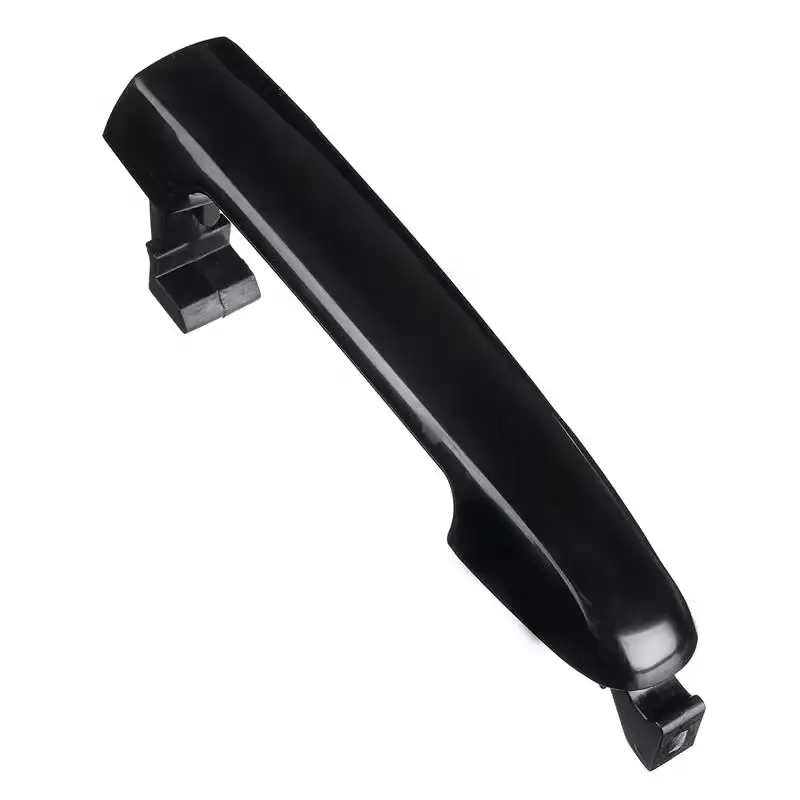
custom car door handles service with AIM plastic, with design and engineering support, OEM, ODM, injection mold making, competitive price, shipment support etc
Custom car door handles may seem like a small door handle component, but in automotive design and manufacturing, they play a much bigger role than most people realize. A car door handle is not just a functional part of a vehicle door—it directly affects vehicle aesthetics, user experience, safety, durability, and even brand perception.
From luxury sedans and electric vehicles to commercial fleets, hot rod builds, and off-road trucks, custom car door handle solutions are widely used to achieve the right look, fit, and performance.
A well-designed custom door handle can elevate the exterior or interior style of a vehicle, enhance perceived quality, and support advanced features such as electronic locks, latch systems, and integrated switches. As vehicle designs continue to evolve, OEMs, aftermarket brands, and fabrication shops increasingly rely on custom car door handles to differentiate their product offerings, control price, and meet specific user expectations.
We explore everything you need to know about custom car door handles—from materials and finish options to manufacturing processes, compliance standards, and how to choose the right supplier or OEM car door handle manufacturer.
[bg_collapse_level2 view=”link” color=”#e34507″ icon=”arrow” expand_text=”Read More” collapse_text=”Read Less” ]
Custom car door handles are vehicle door handle components designed and manufactured according to specific requirements rather than standard off-the-shelf hardware. These requirements may involve unique style door handles, precise handle lever geometry, or compatibility with a specific car door platform.
Common customization needs include:
Unique shapes or ergonomic designs based on automotive handle grip design
Custom materials, surface finish, polish, or chrome plating
Integration of electronic systems such as switches, sensors, or smart lock mechanisms
Exact fit for specific vehicle models or custom car builds
Enhanced durability for interior or exterior use
Custom handles may be produced as a single set, small-batch aftermarket sale, or high-volume OEM production. Applications range from modern EVs and commercial fleets to billet aluminum hot rod handles and classic vehicle restorations with window cranks and mechanical latch systems.
Unlike universal door handles, custom solutions are engineered as a complete vehicle door handle component, including door handle housing, trim cover, mounting plate, and internal hardware, ensuring reliable performance and long-term durability.
Door handles are among the most frequently touched parts of a vehicle. Poorly designed interior door handles or exterior handles can feel awkward, reduce perceived quality, and negatively affect daily use. An ergonomic car door handle improves comfort, grip confidence, and usability.
Custom door handle design allows manufacturers to optimize:
Grip shape and size
Pull force and handle lever movement
Surface texture and material feel
Accessibility for different drivers and passengers
By refining automotive handle grip design through prototyping and injection-molded door handle parts, manufacturers improve user satisfaction and reduce warranty complaints.
Automotive brands carefully control styling elements, and door handles play a visible role in the overall vehicle look. Whether interior or exterior, a door handle must visually match the body, trim, and window lines.
Custom car door handles enable:
Flush or recessed exterior door handles
Chrome, matte, gloss, or painted finish options
Brand-specific styling and custom door pull handle profiles
Seamless integration with body panels and trim covers
Luxury vehicles, EVs, and aftermarket custom car projects often rely on custom exterior car handles to achieve a clean, premium appearance.
A car door handle must operate reliably in all conditions. Custom engineering ensures durability, safety, and compliance.
Custom solutions help address:
Cold-weather operation
Resistance to dust, sand, and moisture
High-cycle durability and impact resistance
Emergency opening and latch compliance
Durable automotive door handles must meet strict regulatory and OEM requirements, making tailored automotive door handle molding essential.
Custom car door handles vary by application, vehicle type, and design intent.
Exterior handles are exposed to weather and mechanical stress. Common custom designs include:
Pull-type handles
Lever-style handles
Flush or pop-out designs
Recessed and billet handles
These plastic automotive door handles often require UV stability, scratch resistance, and robust door handle housing structures.
Interior door handles prioritize comfort, aesthetics, and tactile feel. Custom interior door handle designs may include:
Soft-touch or overmolded surfaces
Decorative trim or chrome accents
Integrated switches or lighting
Custom colors and textures
Injection-molded door handle parts are widely used for interior applications due to design flexibility and cost efficiency.
Smart vehicles increasingly integrate electronics into door handles, including:
Keyless entry systems
Touch or proximity sensors
Motorized pop-out mechanisms
Custom design ensures proper housing, sealing, and integration of electronic hardware within the vehicle door handle components.
Commercial vehicles and off-road platforms demand strength and reliability over appearance.
Custom heavy-duty door handles are designed to withstand:
Frequent use cycles
Exposure to debris and chemicals
Extreme temperatures
High mechanical loads
These applications often prioritize reinforced materials and simplified latch mechanisms.
Material selection directly affects durability, cost, finish, and performance.
Car door handle plastic injection molding is the most common manufacturing method for modern handles.
Common materials include:
ABS – Good impact resistance and surface finish
PC (Polycarbonate) – High strength and heat resistance
PC-ABS blends – Balanced performance and processability
Nylon (PA6 / PA66) – Excellent mechanical strength
Glass-fiber reinforced plastics – Improved rigidity
Plastic automotive door handles offer lightweight performance, design freedom, and cost control. Combined with automotive door handle molding expertise, injection molding allows OEMs and aftermarket manufacturers to produce high-quality, custom-fit solutions at scale.
Some custom door handles use metal components for strength, durability, or premium aesthetics, especially in automotive applications where precision and long-term reliability are required.
Common options include:
Aluminum alloy, often used for aluminum door handle structures with a smooth or brushed finish
Zinc alloy (die casting), suitable for complex lever shapes and integrated door latches
Stainless steel is commonly used in heavy-duty or replacement door handle assemblies
Metal handles are frequently used in luxury vehicles, modern EV designs, or heavy-duty platforms where durability, quality materials, and a unique appearance are critical. They are also popular in vintage restorations and hot rod projects requiring a specific model-matched look.
Many modern door handles combine materials through overmolding or hybrid construction to improve comfort, strength, and appearance.
Typical design includes:
Plastic core with soft-touch rubber surface for a smooth grip
Metal structure with plastic outer shell for weight reduction and styling flexibility
An overmolded car door handle improves tactile feel, enhances durability, and supports modern interior and exterior styling. Hybrid designs are widely used in both automotive interior handle molding and exterior door handle plastic parts to balance comfort, cost, and performance.
Injection molding is the most widely used manufacturing method for custom car door handles due to its precision, scalability, and ability to produce consistent, high-quality parts.
Advantages include:
High-dimensional accuracy for a proper fit with the door panel
Consistent quality across large production volumes
Support for complex geometry, such as flush-mount bezels and integrated latch releases
Cost-effective solutions for high-volume automotive handle production
Injection molding is suitable for ABS car door handles, PP automotive door handles, and nylon reinforced door handle designs used in both interior and exterior applications.
Insert molding integrates metal components such as cable, latch mechanisms, or mounting hardware directly into plastic during molding.
Benefits include:
Improved structural strength
Reduced assembly steps
Enhanced durability and reliability
This process is commonly used for insert-molded door handle designs, especially where car door latch handle plastic parts require reinforced mounting points or precise release mechanisms.
Overmolding adds a secondary material layer—often TPE or rubber—onto a rigid substrate.
This process improves grip, comfort, and surface feel and is commonly used in overmolded car door handles and two-shot molded door handle designs for premium vehicles.
Before mass production, CNC machining and prototyping were used to create an automotive door handle prototype.
These steps support:
Design validation
Fit and function testing on the door panel
Low-risk development for low-volume door handle molding or unique custom projects
Prototyping ensures the final product installs smoothly and meets quality expectations.
Automotive door handles must withstand thousands of cycles.
Designs must handle:
Mechanical stress
Repeated pulling force
Long-term wear
Using durable, lightweight plastic door handle materials and reinforced structures improves life cycle performance.
Exterior handles must perform reliably in harsh environments.
Key considerations include:
UV exposure resistance using UV-resistant car door handle materials
Scratch protection through scratch resistant door handle plastic
Thermal stability with heat-resistant automotive handles
Custom designs ensure sealing, surface finish, and material selection are optimized.
Custom car door handles must comply with automotive regulations and OEM standards.
These include:
OEM specifications
IATF 16949 requirements
Impact and crash safety standards
Experienced suppliers of custom OEM automotive handles ensure compliance throughout design and production.
Door handles must be easy to install and integrate with existing mechanisms.
Custom designs considered:
Mounting points and tolerances
Compatibility with door latches and release systems
Ease of replacement during service
Good engineering reduces installation time and improves assembly efficiency.
OEM projects involve custom door handle assemblies produced at scale.
Key priorities include:
Consistency across millions of cycles
Long-term durability
Full regulatory compliance
OEM programs rely heavily on precision injection-molded door handles and advanced automotive handle tooling and molding capabilities.
Aftermarket solutions focus on flexibility and personalization.
Key features include:
Unique styles, such as oval door handle designs
Chrome-plated plastic door handle or painted automotive door handles
Options that fit specific models rather than “fit any door” compromises
Aftermarket customization allows users to make your interior or exterior more distinctive without modifying core systems.
Quality control ensures reliable performance and safety.
Typical inspections include:
Dimensional accuracy checks
Material testing for strength and wear
Cycle life testing
Environmental simulation
Certified manufacturers ensure every replacement car door handle parts meets strict quality standards.
The final price of custom door handles depends on:
Material type and surface finish
Tooling and mold complexity
Production volume
Assembly and testing requirements
Although tooling costs may be higher initially, high-volume automotive handle production significantly lowers per-unit cost.
When selecting a supplier, evaluate:
Automotive industry experience
Tooling and injection molding capability
Design and engineering support
Quality certifications
Ability to support both prototyping and mass production
A strong supplier delivers high-quality, durable, and unique solutions rather than generic replacement parts.
Modern vehicles increasingly adopt smart door handle systems.
These include:
Sensor-based release
Flush mount and pop-out designs
Integrated electronic controls
Custom manufacturing ensures seamless integration and precise fit.
Future designs focus on sustainability and performance.
Trends include:
Recycled plastics
Bio-based polymers
Lightweight composites
Material innovation supports long-term efficiency goals.
Vehicle design trends favor clean, uninterrupted surfaces.
Future handles will emphasize:
Flush designs
Integrated bezels
Simplified exterior appearance
Custom car door handles are critical automotive components that influence safety, comfort, and visual identity. Through thoughtful material selection, precise manufacturing, and smart design, manufacturers can deliver door handles that meet modern automotive demands.
Whether producing OEM components, aftermarket upgrades, or replacement solutions, investing in custom car door handle development ensures durability, performance, and long-term value.
Partnering with an experienced automotive manufacturer guarantees that every handle meets real-world requirements with precision and quality.
[/bg_collapse_level2]


