
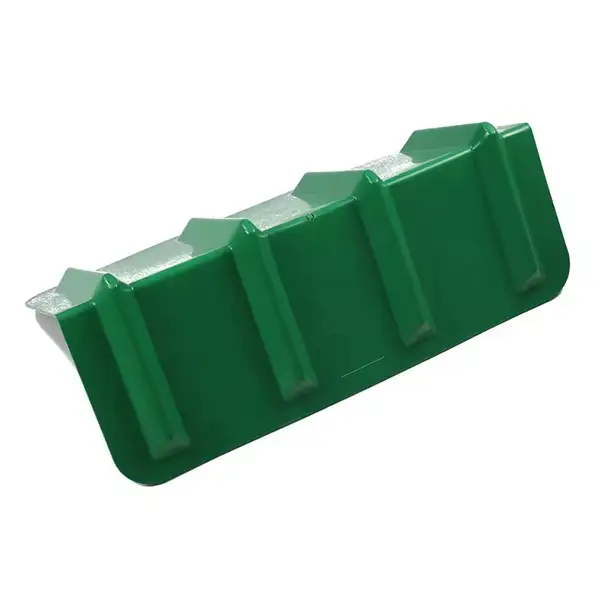
Custom plastic edge protectors with AIM plastic, with design and engineering support, OEM, ODM, injection mold making, competitive price, shipment support etc
Plastic edge protectors play a critical role in modern packaging, logistics, and industrial transportation. While they are small and often overlooked, these plastic protectors safeguard product edges from impact, compression, and abrasion during handling, shipping, and storage.
From pallets and cartons to furniture, glass, metal sheets, steel coils, and construction boards, plastic edge protectors help reduce damage, lower returns, and improve overall supply chain efficiency. They are particularly important in heavy-duty cargo transport, flatbed shipping, and industrial applications requiring durable edge protection.
In this guide, we’ll explore what plastic edge protectors are, their applications, the materials used, manufacturing methods, and how to choose the right edge protection solution for your packaging or industrial cargo.
[bg_collapse_level2 view=”link” color=”#e34507″ icon=”arrow” expand_text=”Read More” collapse_text=”Read Less” ]
Plastic edge protectors—also referred to as plastic corner protectors, plastic corner guards, protective edge strips, or plastic edge guards—are rigid or semi-rigid plastic components designed to shield vulnerable edges of products during storage, shipping, and cargo handling.
They are commonly installed on:
Cartons and corrugated boxes for secure packaging
Palletized loads and flatbed cargo
Glass panels, mirrors, and ceramic sheets
Metal sheets, steel coils, and industrial profiles
Furniture, wooden boards, and cabinets
Construction materials, including doors, panels, and drywall
By reinforcing edges, these plastic edge guards prevent:
Crushing damage from ratchet straps or forklifts
Chipping, cracking, or abrasion during storage or transit
Strap and banding damage
Surface scratches during stacking or cargo movement
Damage often occurs at product edges, which are the weakest points during shipping or storage. Plastic edge protectors address this problem directly.
Key Benefits:
Improved load stability and secure positioning on pallets
Reduced product damage during shipping or flatbed transport
Better strap tension distribution for ratchet straps and tarps
Lower return, replacement, and warranty costs
Enhanced professional appearance for packaged goods
In high-volume logistics and industrial transport, even small improvements in edge protection can lead to significant cost savings and safer handling of steel, glass, and heavy cargo.
In pallet packaging, plastic edge protectors are placed along vertical edges to safeguard cartons from:
Strapping pressure from ratchet straps
Forklift or flatbed impact
Stacking loads and uneven weight distribution
Widely used in:
FMCG logistics
Warehousing and distribution centers
Export shipping of cargo
Glass sheets, mirrors, and ceramic panels are especially vulnerable at corners and edges.
Plastic edge protectors provide:
Shock absorption for delicate materials
Edge reinforcement for stacked panels
Separation to prevent scratching
For metal sheets, steel coils, and industrial profiles, edge protection prevents:
Bending or deformation
Scratches during handling
Worker injury during loading and unloading
Industrial-grade plastic edge guards are often thicker, heavier-duty, and designed to withstand rigorous transport conditions.
Furniture manufacturers use plastic corner protectors to:
Protect corners and edges during transport
Prevent cosmetic damage and scratches
Enhance unboxing and customer experience
Used for:
Drywall and wall panels
Doors and window frames
Boards and plywood
Plastic edge protectors help maintain clean, damage-free edges on site and during transit.
Different applications require specific designs to ensure optimal protection and load stability.
The most common design for cartons, pallets, and flat panels.
Features:
Right-angle shape for secure corner fit
Easy installation on strap-secured loads
Good compression resistance for heavy-duty cargo
U-channel plastic edge protectors wrap around the edge.
Advantages:
Secure fit for boards, glass, and metal sheets
Better edge coverage
Reduced slipping under strap tension
Ideal for glass, furniture panels, and steel sheets.
Designed specifically for corners rather than full edges.
Common uses:
Pallet corners
Furniture edges
Box corners during shipment
Made from softer plastics for surface protection rather than load strength.
Used when:
Products have irregular shapes
Surface aesthetics are critical
Thicker, reinforced plastic protectors for:
Steel coils
Heavy machinery
Construction materials
Often manufactured via injection molding with high-strength plastic for maximum durability and secure cargo handling.
Material selection determines strength, flexibility, cost, and environmental impact for plastic edge protectors, whether used in palletized shipments, industrial packaging, or transportation of steel coils and lumber.
One of the most widely used materials for heavy-duty edge protectors and plastic edge protectors for packaging.
Benefits:
Lightweight for easier handling during transport
Cost-effective for large-scale applications
Good impact resistance to safeguard sharp edges
Recyclable and reusable, helping extend product life
Commonly used for protecting pallets, cartons, and cargo straps during transit.
HDPE provides more rigid edge protection, while LDPE is flexible for irregular shapes.
Applications:
Heavy loads and industrial packaging
Reusable plastic edge protectors
Plastic edge protectors for metal sheets, wood boards, and steel coils
These materials help distribute strap or chain tension evenly and protect your cargo during handling.
Used for rigid, high-impact designs like injection-molded edge protectors.
Advantages:
High strength for heavy-duty protection
Dimensional stability for consistent performance
Long service life for repeated transport and cargo control
Common in reusable plastic edge protectors for logistics and furniture shipments
PVC edge protectors provide:
Flexibility to safeguard delicate surfaces
Chemical resistance for industrial applications
Smooth surface finish for furniture, boards, and construction materials
Often used in plastic edge protectors for wood, furniture, and construction applications.
Many suppliers now offer:
Recycled PP and HDPE
Durable plastic edge protectors with reduced environmental impact
These materials reduce cost while maintaining load protection and transit efficiency.
Ideal for high-precision, heavy-duty edge protectors and custom plastic edge protectors.
Advantages:
Tight tolerances for complex geometries
Consistent quality for large shipments
Logo integration for branded plastic edge protectors
Process Overview:
Mold design and tooling
Plastic melting and injection
Cooling and solidification
Ejection, trimming, and quality inspection
Injection-molded edge protectors are widely used in industrial applications, shipping, and reusable protection for steel coils, lumber, and pallets.
Used for continuous edge profiles and U-channel edge protectors.
Advantages:
Lower tooling cost
High production speed for a wide range of sizes
Ideal for long plastic edge protection solutions
Extruded plastic edge protectors are usually cut to length after production and used for boards, furniture, or cargo straps.
Less common but used for thin, lightweight, or disposable edge protectors.
Applications:
Light-duty packaging
Plastic shipping edge protectors for one-way transit
Lower strength compared to injection molding
Edge protectors must withstand:
Strapping force from ratchet straps or vee boards
Vertical stacking loads
Impact during handling and transportation
Wall thickness, rib design, and material choice are critical to ensure protection and durability.
Protectors should match:
Product thickness
Edge geometry
Strap or chain width
Poor fit reduces protection effectiveness and may allow damage to cargo or sharp edges.
For high-volume packaging operations:
Snap-on, friction-fit, or flexible designs save labor time
Reusable plastic edge protectors offer cost efficiency over disposable versions
Reusable protectors: Higher upfront cost, lower long-term cost, ideal for repeated transport.
Disposable protectors: Lower unit price, suitable for single-use shipments or lighter cargo.
Customization allows businesses to meet specific handling and transportation needs.
Options Include:
Edge angle, channel width, length, and thickness
Logo, branding, and color customization for warehouse identification or brand visibility
Special profiles for lumber, metal sheets, furniture, or steel coil protection
Custom plastic edge protectors safeguard cargo, distribute strap tension, and enhance load stability.
Reliable suppliers conduct strict quality inspections:
Compression testing for load-bearing capability
Impact resistance for transit protection
Dimensional checks to ensure compatibility with straps and boards
Visual defect inspections
Consistent quality ensures the plastic edge protectors perform reliably in logistics, packaging, and heavy-duty industrial applications.
Plastic edge protectors support sustainability by:
Reducing product damage and waste
Being reusable for multiple shipments
Using recycled or eco-friendly materials
Many buyers request recyclable plastic edge protection solutions with long service life to minimize environmental impact.
Cost Influencers:
Material type (PP, HDPE, ABS, PVC)
Size, thickness, and wall reinforcement
Manufacturing method (injection molding vs extrusion)
Tooling complexity and customization level
Order quantity
Injection molding has a higher initial tooling cost but a lower unit cost at scale. Extruded profiles often have lower MOQs.
Consider suppliers with:
Injection molding and extrusion capabilities
Material expertise for heavy-duty edge protectors
Custom design support for specific applications
Quality control and testing systems
Export and logistics experience
A good supplier ensures cargo protection, cost efficiency, and consistent product quality.
Packaging and logistics
Furniture manufacturing
Glass and mirror processing
Metal fabrication
Construction materials
Automotive components
Demand grows as transportation systems become more complex and protection requirements increase.
Lightweight yet stronger designs
Increased use of recycled and eco-friendly materials
Custom profiles for automated handling
Integration with smart packaging and cargo control systems
As logistics evolve, plastic edge protectors remain essential to protect your cargo and extend the life of reusable edge protection solutions.
Plastic edge protectors may seem like simple components, but they have a significant impact on packaging efficiency, cargo safety, and cost reduction. By protecting vulnerable edges, distributing strap or chain pressure, and safeguarding products during transit, these durable plastic edge protectors are a vital part of modern logistics and industrial applications.
With the right material, design, and manufacturing process—whether injection molded edge protectors, extruded plastic edge protectors, or custom plastic edge protectors—they can be tailored to almost any application, from steel coils and furniture to lumber and construction materials.
For businesses seeking durable, scalable, and reusable edge protection, plastic edge protectors are a smart investment in transport efficiency and cargo safety.
[/bg_collapse_level2]

