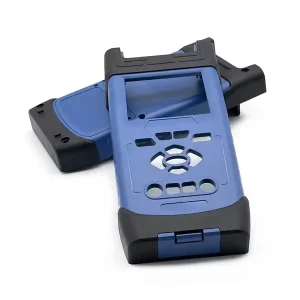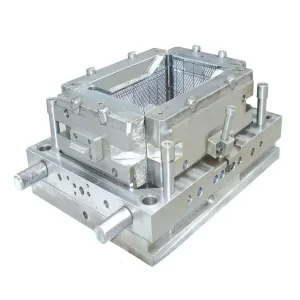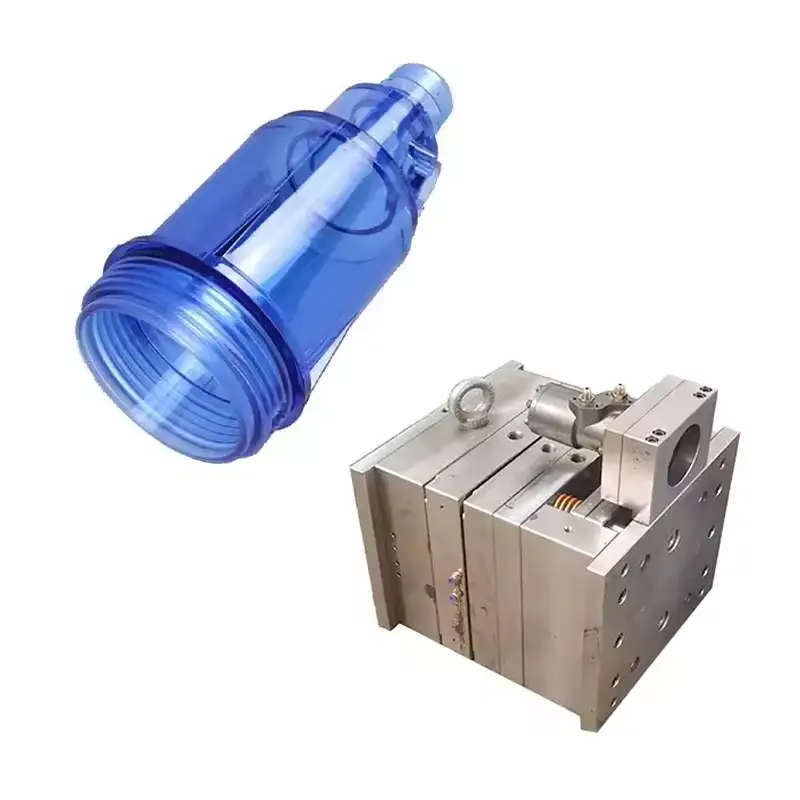
Custom polycarbonate plastic molding with AIM plastic, with design and engineering support, OEM, ODM, injection mold making, competitive price, shipment support
Polycarbonate plastic molding plays a critical role in modern plastic manufacture and advanced injection moulding applications. Known for its exceptional impact resistance, optical clarity, and high-temperature performance, polycarbonate (PC) is an amorphous thermoplastic polymer widely used in industries where strength, precision, and durability matter.
From automotive headlamp lenses and medical housings to electronic enclosures, eyeglass lenses, and safety equipment, polycarbonate injection molding produces injection molded parts that outperform many standard plastics in demanding environments.
This guide explains what polycarbonate plastic molding is, how the polycarbonate injection molding process works, key material properties, process challenges, best practices, and real-world applications of polycarbonate injection molding—from a practical manufacturing perspective.
[bg_collapse_level2 view=”link” color=”#e34507″ icon=”arrow” expand_text=”Read More” collapse_text=”Read Less” ]
Polycarbonate plastic molding refers to the process of shaping polycarbonate material into finished plastic parts, most commonly using injection molding plastic technology.
In this injection molding process, molten polycarbonate is injected under high pressure into a precision mold, cooled under controlled mold temperature, and ejected as a finished polycarbonate part.
Polycarbonate is an engineering thermoplastic known for:
High impact resistance
Excellent dimensional stability
Glass-like transparency and optical clarity
High heat resistance
Good electrical insulation
Because of these properties, polycarbonate injection is selected when standard plastics such as PP or ABS cannot meet performance or durability requirements.
Polycarbonate stands out among engineering plastics due to its unique balance of toughness, clarity, and processability in injection-molded polycarbonate components.
Impact strength up to 250x stronger than glass
High heat resistance (continuous use up to ~120°C)
Excellent optical transparency for transparent plastic molding
Good flame resistance (flame-retardant polycarbonate grades available)
Stable dimensions under load
Long service life and durability
Low cost per part in high-volume production
These advantages make high-impact polycarbonate ideal for safety-critical, optical, and structural molded parts.
Polycarbonate injection molding is used across multiple industries requiring durable, high-precision, and visually clear injection molded parts.
Automotive polycarbonate parts such as:
Headlamp lenses
Instrument panels
Interior trim components
Sensor housings
PC is favored in automotive injection moulding due to its impact resistance and heat stability.
Electrical polycarbonate components, including:
Transparent covers
Electrical enclosures
Switch housings
LED light diffusers
Medical-grade polycarbonate is widely used for:
Medical device housings
Diagnostic equipment parts
Transparent protective covers
Machine guards
Face shields
Protective barriers
Transparent panels
Consumer products molded from polycarbonate include:
Water bottles
Safety goggles
Power tool housings
Appliance components
Understanding material differences helps determine when PC plastic molding is the best option.
| Material | Impact Strength | Heat Resistance | Transparency | Cost |
|---|---|---|---|---|
| Polycarbonate (PC) | Very High | High | Excellent | Medium–High |
| ABS | Medium | Medium | Opaque | Low |
| Acrylic (PMMA) | Low | Medium | Excellent | Medium |
| Nylon (PA) | High | High | Opaque | Medium |
Polycarbonate is selected when impact resistance, optical clarity, and durability must coexist.
The polycarbonate injection molding process follows the standard injection cycle but demands tighter control of process parameters due to PC’s high temperature sensitivity and stress behavior.
Polycarbonate resin is hygroscopic and absorbs moisture from the air.
If not dried properly:
Silver streaks appear
Bubbles form
Mechanical strength and surface finish degrade
Typical drying conditions:
120°C for 3–4 hours
Moisture content below 0.02%
Proper drying is mandatory for producing high-quality molded polycarbonate parts.
Polycarbonate has a high melting range, typically 260–320°C.
The injection molding machine must support:
High-temperature barrel zones
Stable thermal control
Appropriate screw design for PC resin processing
During this stage, solid pellets are converted into molten plastic with uniform viscosity. Excessive shear or overheating degrades the polymer and reduces durability.
During injection, molten polycarbonate is forced into the cavity at controlled injection pressure and injection speed.
PC requires:
High injection pressure
Moderate to high injection speed
This ensures:
Complete cavity filling
Reduced weld lines
Excellent surface finish
Uniform plastic flow
Poor filling causes stress concentration and visual defects in injection-molded polycarbonate parts.
Although polycarbonate has a relatively low polycarbonate shrinkage rate, proper packing remains essential.
Poor packing leads to:
Sink marks
Internal voids
Warpage
Holding pressure must be carefully balanced to maintain dimensional accuracy while avoiding internal stress.
Cooling time is longer than with commodity plastics, affecting total cycle time.
Typical mold temperature:
80–120°C
Higher mold temperature improves:
Optical clarity
Surface finish
Stress reduction
Uniform cooling prevents warpage, birefringence, and optical distortion in transparent parts.
Polycarbonate parts may adhere to the mold due to:
High surface energy
Tight tolerances
Proper draft angles, polished cavities, and correct ejection design ensure smooth part release without surface damage.
Not all machines are suitable for polycarbonate injection molding.
High-temperature barrel capability (≥320°C)
High injection pressure capacity
Precise temperature and pressure control
Rigid clamping structure
Compatible injection mold materials
Electric and hybrid injection molding machines are often preferred for custom polycarbonate parts due to their precision, repeatability, and energy efficiency.
Mould design plays a major role in PC part quality, especially when polycarbonate injection molding refers to producing high-precision plastic molding parts with strict optical and mechanical requirements. A well-engineered custom mold supports stable flow, stress control, and repeatable results using injection molding.
Gate design directly affects how molten polycarbonate flows inside the mold, influencing surface quality, stress distribution, and final end product performance.
Preferred gate types:
Fan gates
Tab gates
Edge gates (larger size)
Small gates restrict flow rate, increase shear, and raise the risk of burn marks—especially in complex injection geometries. Proper gate sizing helps molten material flow evenly through the mold and into both mold halves.
Wall thickness has a direct impact on polycarbonate cooling time, stress buildup, and polycarbonate part tolerances.
Recommended wall thickness:
1.5–4.0 mm
Uniform thickness supports better design for manufacturing, reduces internal stress, and improves consistency when creating pc parts.
Thick-wall polycarbonate molding requires longer packing and cooling, while thin-wall polycarbonate parts demand higher injection speed and high injection pressure control.
Polycarbonate is sensitive to trapped gases during injection molding and is often used for transparent and high-strength parts.
Poor venting causes:
Burn marks
Flow hesitation
Surface defects
Adequate vent depth allows air to escape from the polycarbonate into the mold fills the cavity. Proper venting is critical when injection molding allows high-speed filling of optically clear components.
The surface condition of the mold directly affects clarity and appearance.
For optical clarity and clear plastic injection molding:
Highly polished mould surfaces
Minimal EDM textures
Clean mould maintenance
Careful use of mold release agents
These measures help achieve high clarity plastic parts with minimal haze and distortion.
One of the key benefits of polycarbonate is that it is optically clear, but achieving optical quality requires tight process control in injection molding for transparent parts.
Flow lines
Birefringence in polycarbonate
Weld lines
Haze
These defects are linked to stress, cooling imbalance, and improper flow behavior.
Use higher mould temperatures within the recommended temperature range
Reduce internal stress during packing
Avoid sharp corners during polycarbonate tooling design
Optimise gate location for balanced flow
Optical-grade polycarbonate demands narrow processing windows and consistent polycarbonate manufacturing process control.
Polycarbonate molding defects are often related to moisture, stress, or uneven cooling.
Cause: High moisture content
Solution: Improve drying and material handling
Cause: Trapped air or excessive injection speed
Solution: Improve venting, adjust injection speed
Cause: Uneven cooling or stress
Solution: Balance cooling channels, optimise packing
Cause: Stress cracking in polycarbonate
Solution: Increase mould temperature, reduce injection pressure
Polycarbonate can also be modified to meet specific mechanical, thermal, or regulatory requirements.
Flame-retardant PC (UL94 V-0)
Glass-filled polycarbonate
PC/ABS blends
UV stabilized polycarbonate
Each type of polycarbonate affects the flow, wear, and mechanical properties of polycarbonate, including strength and temperature resistance. Machine settings must adapt to different polycarbonate formulations.
Injection molding is one of several methods used to produce parts from polycarbonate.
| Process | Best Use | Limitations |
|---|---|---|
| Injection Molding | Precision parts, high volume | High tooling cost |
| Thermoforming | Large transparent panels | Lower precision |
| CNC Machining | Prototypes, low volume | Material waste |
Injection molding is one of the most effective methods when producing complex, repeatable plastic products, as long as injection molding requirements demand tight tolerances.
Polycarbonate is recyclable, although processing is more complex than commodity plastics.
Regrind usage (limited percentage)
Long service life
Lightweighting vs metal
Recyclable PC grades
Many manufacturers use closed-loop recycling systems to reprocess scrap from industrial polycarbonate molding.
Polycarbonate molding involves a higher cost compared to standard plastics.
Higher raw material cost
Longer cycle times
Higher melt temperature requirements
Tool steel requirements
Energy consumption
However, injection molding makes it possible to achieve a low cost per part at scale when producing high-strength plastic components.
Quality control ensures reliable performance in safety-critical and optical parts.
Dimensional inspection
Optical clarity testing
Impact resistance testing
Stress analysis
Visual inspection under polarised light
Maintaining stable polycarbonate injection molding techniques is more important than maximizing speed.
Polycarbonate is widely used in regulated sectors due to its mechanical and thermal stability.
Biocompatible grades
ISO 10993 compliance
Cleanroom molding
Heat resistance
UV stability
Long-term durability
Flame retardancy
Electrical insulation
Dimensional stability
Applications include housings, guards, and electronic components where traceability and repeatability are essential.
Automation reduces handling damage and improves consistency.
Robotic part removal
Automated inspection
Vision systems
In-line assembly
Automation protects surfaces when producing custom polycarbonate parts, especially optically clear components.
The industry continues to advance materials, tooling, and process control.
Higher-flow PC grades
Bio-based polycarbonate
Improved flame-retardant systems
AI-driven process optimisation
Lightweight transparent components
These innovations support faster injection molding cycle optimization and improved sustainability.
Polycarbonate plastic molding combines strength, precision, and transparency in a single material solution.
While it requires:
Higher processing temperatures
Tighter control
Better mould design
It delivers exceptional performance for safety-critical, optical, and structural applications.
For manufacturers aiming to create polycarbonate parts with high durability and clarity, polycarbonate injection molding remains one of the most reliable manufacturing technologies available.
[/bg_collapse_level2]