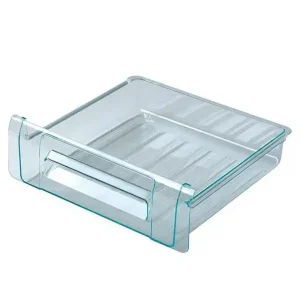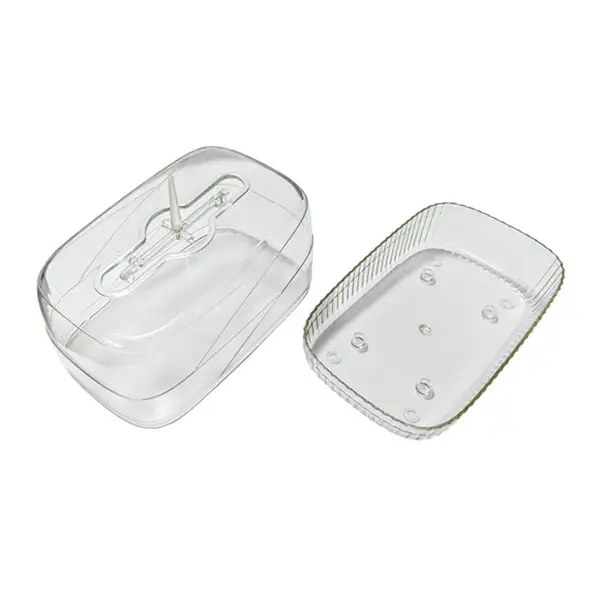
Custom clear injection molded plastics with AIM plastic, with design and engineering support, OEM, injection mold making, competitive price, shipment support
Clear injection molded plastics are an essential solution for manufacturers requiring transparent, durable, and functional plastic parts. From consumer electronics to medical devices, packaging, automotive, and lighting, clear plastic parts combine aesthetic appeal with functional performance.
This guide explores the materials, injection molding process, mold design, manufacturing considerations, applications, and benefits of clear injection molded plastics, helping engineers, product designers, and manufacturers make informed choices.
[bg_collapse_level2 view=”link” color=”#e34507″ icon=”arrow” expand_text=”Read More” collapse_text=”Read Less” ]
Clear plastic injection molding refers to plastic components that are both produced through plastic injection molding and are optically transparent or translucent. These transparent plastic parts allow light to pass through while maintaining structural integrity.
Unlike opaque plastic injection molded parts, clear plastics require specific molding materials, tooling, and injection molding techniques to achieve optical clarity without defects such as haziness, warping, or bubbles.
Choosing the right plastic resin is critical to ensure clarity, strength, and performance. Commonly used clear plastics include:
Polycarbonate (PC)
Exceptional impact resistance
High transparency (~88–90%)
Used in safety equipment, lenses, and electronics
Acrylic (PMMA)
High optical clarity (~92%)
Scratch-resistant
Used in displays, lighting, and decorative panels
Polyethylene Terephthalate (PET)
Transparent and lightweight
Common in packaging and containers
Polystyrene (PS)
Cost-effective, moderate transparency
Often used in disposable packaging and small housings
Copolyesters (e.g., Tritan®)
Transparent, chemical-resistant, BPA-free
Ideal for food containers and drinkware
Each injection molding material offers a balance of clarity, impact strength, heat resistance, and chemical resistance, depending on the application. Compared to non-transparent injection molding, clear plastic molding requires more attention to raw material quality, melt properties, and tooling surface polish.
The injection molding process for producing clear plastic parts is similar to standard plastic molding, but it requires additional precision to maintain optical quality and surface finish.
Step 1: Material Drying
Many transparent plastics are hygroscopic and can absorb moisture from the air. Melted plastic with excess moisture can cause bubbles or hazing. Proper drying of the plastic resin is essential for high-quality, clear plastic injection molded parts.
Step 2: Mold Design and Preparation
Clear parts require precision mold design, including:
Polished cavity surfaces for high gloss
Tight tolerances to avoid visible seams or defects
Optimized gate and vent placement to minimize flow marks and injection molding defects
Tooling is often made from hardened steel, highly polished, and sometimes coated to achieve optical-grade clear parts.
Step 3: Injection Molding Process
Plastic injection involves forcing molten plastic into the mold cavity under controlled injection pressure, injection speed, and temperature. For clear plastics:
Lower shear rates are used to prevent striations
Cooling is optimized to reduce stress, shrinkage, and warping
Careful ejection prevents scratches or marks on clear parts
Step 4: Post-Processing
Post-molding processes may include:
Trimming excess material
Annealing to relieve internal stresses
Surface polishing or coating for extra clarity
Proper post-processing ensures high optical quality and transparent injection-molded parts suitable for both functional and decorative applications.
Clear injection molded parts offer numerous advantages for manufacturers and product designers:
Aesthetic Appeal
Transparent parts enhance product appearance, ideal for consumer electronics, lighting, and decorative applications.
Functional Transparency
Clear components allow visibility of internal parts, fluid levels, or light paths, making them suitable for medical devices, instruments, and packaging.
Durability and Strength
Unlike glass, clear plastics such as polycarbonate or PMMA injection molded parts are impact-resistant, lightweight, and shatterproof.
Design Flexibility
Injection molding allows complex shapes, tight tolerances, and integration of features such as snaps, ribs, threads, or custom surface textures.
Cost-Effective Production
Once mold production and tooling are complete, plastic injection-molded parts can be produced at scale with consistent quality, reducing labor and assembly costs.
Clear injection molded plastics are used across industries:
Medical and Healthcare
Surgical instrument housings
Diagnostic device components
Fluid containers and measurement devices
Transparency allows visual inspection and monitoring while maintaining sterilization and performance standards.
Consumer Electronics
Device covers and displays
Transparent casings for cameras, drones, and smart devices
Lens covers for LED lights
Packaging and Food Containers
Bottles, jars, and clamshell packaging
Food-safe, BPA-free copolyesters or PET materials
Visibility of contents increases consumer appeal.
Automotive
Light lenses and housings
Transparent displays or control covers
Interior trim panels
Lighting and Decorative Applications
LED covers, lenses, and diffusers
Lampshades and transparent panels
Optical components requiring distortion-free clarity
To achieve high-quality clear parts, designers must consider:
Wall Thickness: Uniform walls reduce stress and optical distortion
Draft Angles: Proper draft ensures easy ejection without surface scratches
Gate Placement: Optimized gates prevent flow marks and haze
Ribs and Features: Minimize thick sections; use hollow or tapered ribs
Polished Mold Surfaces: Essential for high-gloss, transparent finishes
Early collaboration with the injection molder ensures design compatibility with optical requirements and smooth injection molding of clear plastics.
Producing clear injection-molded plastics can be challenging due to the high optical requirements and sensitivity of transparent thermoplastic materials. Common issues in injection molding for clear parts include:
Bubbles or voids appear when air traps in the mold or moisture is present in the plastic resin. This is common in amorphous plastics like polycarbonate (PC) or acrylic.
Solution:
Proper drying of the transparent material before plastic is injected into the mold, combined with optimized venting and controlled injection speed, is critical to eliminate possible injection defects. Mold flow analysis can also help prevent air traps and ensure uniform filling throughout the mold.
Haze is caused by internal stress in the part during the injection molding process.
Solution:
Annealing the molded parts or optimizing mold temperature and cooling channels can reduce stress. Proper polishing of the molds ensures high transparency plastic parts and crystal clear injection molded parts.
These defects result from uneven flow through the mold or injection pressure fluctuations.
Solution:
Adjust gate placement, mold temperature, and injection speed. Using precision clear plastic molding techniques helps maintain transparent plastic prototypes and clear molded plastic components free from visible lines.
Scratches can occur during ejection or post-processing.
Solution:
Use polished molds, proper ejection pins, and careful handling. For high-quality parts, optically clear plastic injection molding requires attention to mold surface finish and molding clear components in a controlled environment.
Uneven cooling or high internal stress can distort parts.
Solution:
Maintain uniform wall thickness and use optimized cooling channels. Mold temperature must be controlled to reduce stress in clear plastic small batch molding or low volume clear injection molding.
Clear injection molding is often preferred over 3D printing or casting for transparent parts because it offers:
Material Properties: Uses production-grade engineering plastics with high impact, chemical resistance, and UV resistance. Suitable for acids and bases, solvents, and other corrosive materials.
Surface Finish: A high-gloss, clear-as-glass appearance is achievable.
Repeatability: Consistent quality over multiple injection molding projects.
Cost Efficiency: Lower per-part cost for mid- to high-volume production compared to other methods.
This makes it ideal for automotive transparent components, consumer electronics, medical devices, and clear plastic packaging molding.
Factors affecting the cost of clear plastic injection molding include:
Material choice: Polycarbonate, PMMA, and clear ABS are more expensive than PS but provide higher transparency and high heat and pressure resistance.
Mold complexity and surface finish: Polished mold surfaces increase optical quality.
Production volume: Clear plastic low-volume production may have higher per-part costs, but becomes cost-effective for hundreds to thousands of parts.
Post-processing requirements: Annealing, trimming, or polishing adds to the cost but ensures transparent molded plastic assemblies.
Modern manufacturers focus on sustainability by:
Using recyclable PET or PC and other transparent thermoplastics
Minimizing scrap through optimized mold design
Implementing energy-efficient injection molding machines
These practices reduce environmental impact while maintaining high transparency plastic parts suitable for clear plastic medical components, transparent industrial parts, and consumer electronics parts.
Clear injection molded plastics are evolving with:
Advanced optical-grade materials for ultra-clear lenses and transparent components manufacturing
Integrated smart features, such as embedded electronics or sensors
Improved mold production technology for faster cycle times and defect-free surfaces
Development of bioplastics and recycled clear thermoplastic injection molding materials
These trends make crystal clear injection molded parts more versatile, sustainable, and cost-effective.
Clear injection molded plastics provide an ideal combination of visual appeal, functional performance, and durability. They are often used in medical devices, consumer electronics, automotive, packaging, and lighting.
By carefully choosing the right material, optimizing mold design, and controlling the plastic injection molding process, manufacturers can produce high-quality transparent plastic parts, including clear functional prototypes and custom clear plastic fabrication, suitable for both functional and end-use applications.
Whether for clear plastic small batch molding or rapid clear injection molding, clear plastic injection molding requires attention to mold surface, injection temperature, injection speed, and post-processing to ensure parts are clear as glass and meet engineering plastic performance standards.
Injection molding of clear plastics remains a cost-effective, reliable, and visually appealing solution for a wide range of industries.
[/bg_collapse_level2]