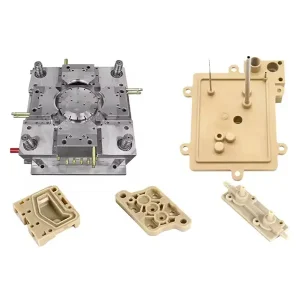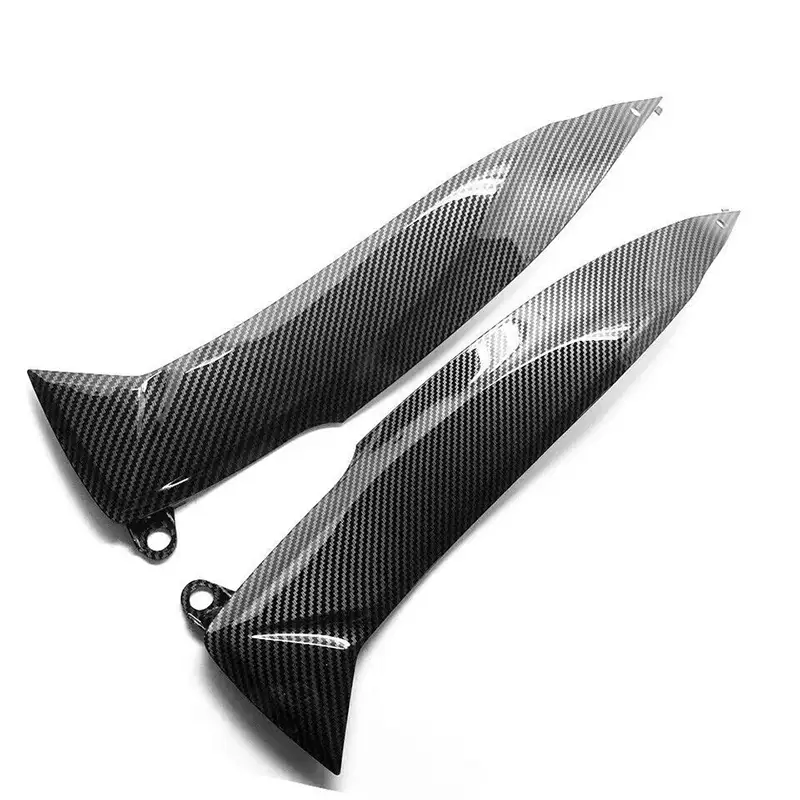
Custom carbon fiber injection molding service with AIM plastic, with design and engineering support, OEM, ODM, injection mold making, competitive price, shipment support etc.
Carbon fiber injection molding has emerged as a high-performance manufacturing solution for producing lightweight, strong, and dimensionally precise structural plastic components.
By combining the high strength and stiffness of carbon fiber with the flexibility and scalability of thermoplastic injection molding, this process enables engineers and manufacturers to manufacture advanced parts for automotive, aerospace, industrial, and consumer applications.
In this comprehensive guide, we will explore carbon fiber injection molding, including the carbon fiber material properties, molding process, advantages of carbon fiber reinforced plastic, design considerations, carbon fiber mold design, tooling requirements, applications, limitations, and future trends.
Understanding these factors will help companies leverage CFRP injection molding and thermoplastic carbon fiber for high-performance, cost-effective, and sustainable production.
[bg_collapse_level2 view=”link” color=”#e34507″ icon=”arrow” expand_text=”Read More” collapse_text=”Read Less” ]
Carbon fiber injection molding is a process where reinforced thermoplastic resins, such as carbon fiber reinforced nylon (carbon fiber reinforced PA) or high-performance thermoplastics, are melted and injected into a precision injection mold to produce strong, lightweight composite molded parts. The carbon fibers in the reinforced polymer parts can be short fibers (discontinuous) or long fibers (continuous fiber), depending on performance requirements.
The injection molding process merges traditional plastic injection molding—which allows complex geometries and various molding techniques—with the mechanical strength and stiffness of carbon fiber reinforced polymer (CFRP), producing injection molded carbon fiber components that are stronger and lighter than conventional plastic parts.
Unlike traditional composite materials manufacturing methods, such as compression molding, vacuum-assisted molding, autoclave processing, or lay-up with carbon fiber cloth, carbon fiber injection molding is suitable for high-volume production, making it an ideal choice for automotive, aerospace, and consumer goods applications where high-stiffness plastic and toughness are required.
Carbon fiber injection molding primarily uses carbon fiber reinforced thermoplastics (CFRTPs). These composite materials combine thermoplastic resins and carbon fiber reinforcements to produce high-performance thermoplastic components. The combination of carbon fiber pellets with reinforced thermoplastic matrices results in lightweight composite parts with high tensile strength, stiffness, and dimensional stability.
Polyamide (PA or Nylon)
High-strength plastic with excellent chemical resistance
Common in automotive structural plastic components
Forms carbon fiber reinforced PA, ideal for reinforced polymer parts
Polycarbonate (PC)
High-performance thermoplastic with excellent impact resistance
Often used in consumer electronics
Supports carbon fiber-filled plastic production for precision injection molding
Polypropylene (PP)
Lightweight, cost-effective, and sustainable thermoplastic
Suitable for reinforced polymer parts and structural automotive components
Polyphenylene Sulfide (PPS)
High-strength, high-stiffness plastic with excellent thermal stability
Used in aerospace and high-temperature applications
Compatible with long fiber injection molding
Short Carbon Fibers (SCF)
Typically 0.1–1 mm in length
Easier to process via fiber molding or conventional injection molding
Improves stiffness, toughness, and mechanical performance moderately
Long Carbon Fibers (LCF)
Several millimeters in length
Provides significantly higher mechanical performance
Requires specialized molding equipment for fiber-filled plastics
The combination of thermoplastic resin and carbon fiber reinforcements creates lightweight composite molded parts that are suitable for high-performance structural applications requiring high stiffness, tensile strength, and durability.
The carbon fiber injection molding process follows similar steps to standard injection molding, but requires additional process controls due to the presence of fibers and the fiber-filled plastic matrix.
Carbon fiber reinforced thermoplastics are often hygroscopic. Moisture can cause voids, surface defects, and reduce tensile and stiffness properties. Proper drying is essential to produce high-performance molded parts.
Temperature: 80°C–120°C
Drying time: 2–6 hours, depending on carbon fiber material properties
Dried carbon fiber pellets are fed into the injection molding machine.
Temperature ranges depend on the thermoplastic matrix (200°C–320°C for high-performance thermoplastics)
Proper screw design ensures uniform melting without damaging the fiber reinforcements
Molten carbon fiber reinforced plastic is injected into a precision mold. Key considerations include:
High injection pressure for fiber-filled polymers
Controlled injection speed to prevent fiber breakage
Proper venting to avoid trapped air
Cooling must be carefully controlled to prevent warpage and improper fiber orientation, which directly impacts mechanical performance along different axes.
Once cooled, the mold opens, and ejector pins release the final product. Most carbon fiber molded parts require minimal post-processing, though trimming or machining may be necessary for precision components.
Carbon fiber injection molding offers numerous benefits for high-performance applications and structural plastic components.
High Strength-to-Weight Ratio
Carbon fiber reinforced plastics (CFRP) are lightweight yet extremely strong, making them ideal for structural applications where weight reduction is critical.
Excellent Stiffness and Dimensional Stability
Fiber reinforcements significantly improve stiffness and reduce thermal expansion, maintaining precision under stress and temperature variations. Continuous fiber and long fiber injection-molded components achieve the highest mechanical performance.
High Volume Production Capability
Unlike traditional carbon fiber cloth lay-up, vacuum, or autoclave methods, the injection molding process allows fast cycle times, repeatable production, and cost-effective manufacturing for automotive, aerospace, and consumer goods.
Design Flexibility
Injection-molded carbon fiber supports complex geometries, integrated ribs, bosses, and undercuts, allowing designers to optimize both aesthetics and functionality.
Chemical and Thermal Resistance
Depending on the thermoplastic resin, carbon fiber reinforced polymer parts can resist heat, chemicals, and environmental degradation.
Cost Efficiency
While carbon fiber itself is expensive, using short fiber reinforced thermoplastics allows high-performance parts at lower cost than aluminum, continuous fiber composites, or other high-stiffness plastic components.
Carbon fiber injection molding is increasingly used in industries that demand lightweight, high-strength, and dimensionally stable components. This manufacturing process enables the production of durable, high-quality parts for a wide range of applications, combining mechanical strength with low density and precision.
Structural under-the-hood components
Interior trim parts
Bumper reinforcements
Gearshift levers and handles
Benefits: reduced vehicle weight, improved fuel efficiency, and enhanced durability. The use of lightweight automotive components produced via composite injection molding machines allows cars to be lighter than aluminum, reducing emissions and improving tensile strength and impact resistance compared to standard plastics.
Structural brackets and supports
Interior panels
Drone frames and components
Benefits: high strength-to-weight ratio, dimensional stability, thermal stability, and corrosion resistance. Aerospace-grade plastic parts made from carbon fiber reinforced PEEK or carbon fiber reinforced ABS provide high modulus plastic performance and allow complex shapes to be manufactured efficiently through automated molding processes.
Laptop and smartphone housings
Camera frames
Drone and robotic components
Benefits: lightweight, stiff, and aesthetically appealing. Injection molding has become a preferred manufacturing method for industrial carbon fiber parts requiring shorter fibers, precise carbon fiber orientation, and fiber length distribution control to maintain high-quality part production.
Machine housings
Protective covers
High-strength conveyor components
Benefits: reduced maintenance, enhanced durability, and chemical resistance. Using reinforced thermoplastic molding with heat-resistant reinforced plastics, manufacturers can produce durable and high-strength lightweight parts suitable for harsh industrial environments.
Bicycle frames and components
Golf club heads
Protective gear
Benefits: high stiffness, impact resistance, and lightweight performance. Carbon fiber reinforced PP or PET allows sporting goods to maintain tensile strength and mechanical performance while optimizing density for a superior user experience.
When selecting materials for injection-molded carbon fiber parts, reinforced thermoplastics are often compared with alternatives.
Carbon fiber offers higher tensile strength, stiffness, and mechanical performance
Carbon fiber reinforced plastics are lighter than aluminum
Glass fiber is cheaper, easier to process, and widely used in fiber-filled polymers
Carbon fiber reinforced polymer parts reduce weight significantly
Metals provide higher impact resistance
Carbon fiber parts allow complex shapes without heavy machining
Carbon fiber reinforcement improves dimensional stability, tensile strength, and thermal resistance
Unfilled plastics are cheaper but weaker and less suitable for high-performance industrial applications
Proper design ensures high-quality parts, mechanical performance, and manufacturing efficiency.
Uniform wall thickness recommended (1.5–4 mm)
Thick walls may cause fiber segregation, shrinkage, and warpage
Minimum draft angles of 1–2° for smooth ejection
Larger drafts may be necessary for complex shapes
Design should consider anisotropic behavior and carbon fiber orientation
Ribs and structural elements aligned with fiber orientation maximize stiffness and tensile strength
Balanced flow ensures uniform fiber distribution
Avoid long, narrow flow paths that cause fiber breakage or shorter fibers
Fiber reinforcement reduces shrinkage, but careful mold temperature control and injection molding cycle optimization are necessary
Simulation tools can predict dimensional stability and optimize carbon fiber part production
High-quality molds are essential for precision injection molding of carbon fiber reinforced thermoplastics.
Hardened steel molds for abrasion resistance
Polished mold surfaces reduce fiber marking
Temperature-controlled molds ensure uniform cooling and curing of fiber-filled resin
High-pressure injection systems accommodate continuous fiber or short fiber reinforced thermoplastics
Proper tooling extends mold life and ensures high-quality parts consistently.
While offering many advantages, the process has specific challenges.
Excessive shear or high injection speed can shorten fibers
Fiber length distribution affects mechanical and tensile performance
Fiber-filled plastics may show fiber protrusions or rough surfaces
Mold polishing or coatings may be necessary for high-quality parts
Mechanical properties vary with carbon fiber orientation
Design must account for directional stiffness and toughness
Carbon fiber reinforced polymer is more expensive than standard plastics
Cost-benefit analysis is essential for lightweight composite manufacturing
Requires a specialized screw and barrel design
Precise heating, mold temperature control, and injection molding cycle optimization are critical
Consistent high-quality parts require rigorous inspection.
Visual inspection for surface defects
Dimensional measurement using CMM or laser scanning
Mechanical testing for tensile, flexural, and impact resistance
Fiber content verification
Real-time process monitoring on composite injection molding machines
ISO-certified or IATF 16949 automotive suppliers implement strict quality control measures for reinforced thermoplastic parts.
Carbon fiber reinforced thermoplastics contribute to sustainability in several ways:
Lightweight components reduce energy consumption in transportation
Thermoplastic matrices are more recyclable than thermosets
Long service life reduces replacements
Potential use of recycled carbon fiber
Sustainable practices support emission reduction in automotive and aerospace applications
The industry evolves with advanced manufacturing methods.
Enables higher mechanical performance
Expands applications in lightweight automotive components and aerospace-grade plastic parts
Combines carbon fiber with glass fiber or other fiber reinforcements
Balances cost-effectiveness and mechanical performance
Predict carbon fiber orientation, shrinkage, and warpage
Optimize mold and part design before production
Use of recycled carbon fiber and bio-based polymers
Reduces the environmental impact of high-strength lightweight parts
Automated molding processes for consistent quality
Smart composite injection molding machines with real-time monitoring and adaptive control
Selecting an experienced manufacturer is critical for success.
Look for a partner with:
Expertise in reinforced thermoplastic molding and industrial carbon fiber parts
Advanced composite injection molding machines for short fiber and continuous fiber polymers
Quality certifications (ISO, IATF, or aerospace standards)
Design-for-manufacturing (DFM) expertise
Ability to support prototyping and high-volume carbon fiber part production
An experienced partner can optimize fiber content, orientation, and processing parameters to maximize mechanical performance, tensile strength, and durable, lightweight components, while controlling shrinkage and warpage.
Carbon fiber injection molding is a high-performance, cost-effective, and scalable manufacturing process for producing high-strength, lightweight parts. By combining the strength and stiffness of carbon fiber with the versatility of thermoplastic injection molding, manufacturers can deliver precision injection-molded carbon fiber components suitable for automotive, aerospace, industrial, consumer, and sporting applications.
Understanding carbon fiber reinforced polymer material properties, fiber orientation, injection molding processes, tooling considerations, and quality control is essential for maximizing the benefits of this composite manufacturing method.
With advancements in material science, automated molding processes, and simulation, carbon fiber injection molding remains a critical solution for producing durable, lightweight, high-quality parts with complex shapes across a wide range of applications.
Whether the goal is to reduce weight, improve structural strength, or enable complex geometries, carbon fiber injection molding offers an unparalleled combination of performance, efficiency, and design freedom, producing reinforced thermoplastic parts with superior mechanical properties and sustainability advantages.
[/bg_collapse_level2]