

The consumer electronics industry is one of the fastest-growing and most innovative markets in the world. From smartphones and wearable devices to smart home systems and personal gadgets, manufacturers demand plastic components that are precise, lightweight, durable, and visually flawless. At the heart of this production process lies consumer electronics injection molding.
Injection molding enables the mass production of complex plastic parts with tight tolerances, consistent quality, and excellent surface finishes—making it the preferred manufacturing method for consumer electronics.
This article explores the materials, applications, and emerging trends shaping injection molding in the consumer electronics sector.
What Is Consumer Electronics Injection Molding?
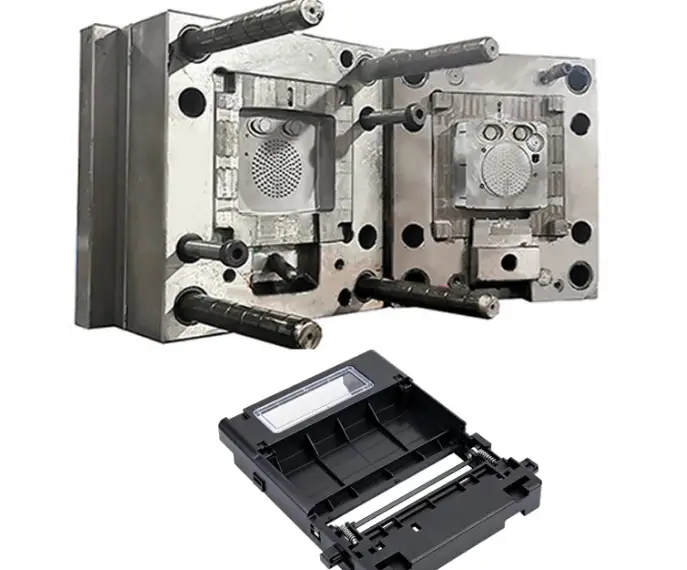
Consumer electronics injection molding is the process of manufacturing plastic components used in electronic devices by injecting molten plastic into precision-engineered molds. Once cooled, the plastic solidifies into parts with accurate dimensions and repeatable quality.
Injection molding is ideal for consumer electronics because it supports:
- High-volume production
- Complex geometries
- Tight dimensional tolerances
- Smooth and cosmetic-grade surfaces
- Integration of functional features
Typical injection-molded components include housings, enclosures, buttons, connectors, frames, and internal structural parts.
Why Injection Molding Is Essential for Consumer Electronics
Consumer electronics products face unique challenges:
- Compact designs
- Lightweight construction
- Heat management
- Electrical insulation
- Aesthetic appeal
- Rapid product life cycles
Injection molding addresses these challenges by offering design flexibility, material versatility, and scalability.
Key Advantages
- Consistent quality across millions of parts
- Low per-unit cost at high volumes
- Excellent repeatability
- Ability to integrate multiple functions into one part
- Compatibility with advanced engineering plastics
Common Materials Used in Consumer Electronics Injection Molding
Material selection plays a critical role in performance, durability, safety, and appearance. Below are the most commonly used plastics in consumer electronics injection molding.
ABS (Acrylonitrile Butadiene Styrene)
ABS is one of the most widely used plastics in consumer electronics.
Key properties:
- Good impact resistance
- Excellent surface finish
- Easy to mold and color
- Cost-effective
Typical applications:
- Device housings
- TV and monitor enclosures
- Remote control casings
- Keyboard and mouse shells
Polycarbonate (PC)
Polycarbonate is known for its strength and transparency.
Key properties:
- High impact strength
- Heat resistance
- Optical clarity (clear grades)
- Flame-retardant options available
Typical applications:
- Transparent covers
- LED light diffusers
- Laptop housings
- Safety-related components

PC/ABS Blends
PC/ABS blends combine the best properties of both materials.
Key properties:
- Improved toughness
- Better heat resistance than ABS
- Excellent surface quality
- Good processability
Typical applications:
- Smartphone housings
- Tablet enclosures
- Gaming device shells
Polypropylene (PP)
PP is lightweight and chemically resistant.
Key properties:
- Low density
- Excellent fatigue resistance
- Cost-efficient
- Good electrical insulation
Typical applications:
- Internal components
- Battery holders
- Cable management parts
Nylon (PA6, PA66)
Nylon is commonly used for structural and mechanical parts.
Key properties:
- High strength and stiffness
- Excellent wear resistance
- Good heat resistance
- Reinforced grades available
Typical applications:
- Structural frames
- Gears and hinges
- Connector housings
Flame-Retardant Plastics
Safety standards require many electronic components to be flame-retardant.
Common flame-retardant materials:
- FR-ABS
- FR-PC
- FR-PC/ABS
- UL94-rated plastics
These materials help prevent fire hazards in electronic devices.
High-Performance Engineering Plastics
For demanding applications, advanced materials are used.
Examples:
- PPS (Polyphenylene Sulfide)
- PPSU (Polyphenylsulfone)
- PEEK (Polyether Ether Ketone)
Key properties:
- Exceptional heat resistance
- Dimensional stability
- Chemical resistance
- Long-term durability
Applications:
- High-temperature connectors
- Power electronics
- Precision internal components
Key Applications of Injection Molding in Consumer Electronics
Injection molding supports nearly every category of consumer electronics.
Smartphone and Tablet Components
Injection molding is essential for producing:
- Front and rear housings
- Frames and bezels
- Button assemblies
- Camera module holders
- SIM card trays
These parts require tight tolerances, high surface quality, and consistent color matching.
Wearable Devices
Wearables demand lightweight and ergonomic designs.
Injection-molded parts include:
- Smartwatch cases
- Fitness tracker housings
- Charging docks
- Flexible overmolded components
Overmolding is often used to combine rigid plastics with soft-touch TPE materials.
Smart Home Devices
Smart home products rely heavily on injection-molded enclosures.
Examples:
- Smart speakers
- Thermostat housings
- Security camera enclosures
- Smart switches and plugs
These products require excellent aesthetics and durable performance for long-term use.

Audio and Visual Equipment
Injection molding is used for:
- Headphone and earbud housings
- Speaker enclosures
- TV and monitor bezels
- Remote control casings
Acoustic performance, surface finish, and dimensional accuracy are critical.
Power Supplies and Chargers
Injection-molded plastics provide insulation and protection.
Components include:
- Charger housings
- Adapter shells
- Cable strain reliefs
- Plug components
Flame-retardant materials are often required for safety compliance.
Small Home Electronics
Examples include:
- Electric toothbrushes
- Shavers
- Hair dryers
- Kitchen appliances
Injection molding enables waterproof designs, ergonomic grips, and consistent mass production.
Design Considerations for Consumer Electronics Injection Molding
Successful injection molding starts with proper design.
Wall Thickness Control
- Uniform wall thickness prevents sink marks and warping
- Thin-wall molding is common in electronics to reduce weight
Draft Angles
- Proper draft angles ensure smooth part ejection
- Improves surface quality and mold life
Gate and Runner Design
- Affects part appearance and strength
- Hot runner systems are often used for cosmetic parts
Tolerance Requirements
- Consumer electronics often require tight tolerances
- Mold precision and process control are critical
Manufacturing Processes and Techniques
Multi-Cavity Injection Molding
Used for high-volume production to reduce per-part cost.
Insert Molding
Metal contacts, threaded inserts, or electronic components are molded directly into plastic parts.
Overmolding
Soft-touch materials (TPE, TPU) are molded over rigid substrates for comfort and grip.
Micro Injection Molding
Used for tiny, high-precision components in compact electronic devices.
Quality Standards and Compliance
Consumer electronics must meet strict quality and safety standards.
Common Standards
- UL94 flame retardancy
- RoHS compliance
- REACH regulations
- ISO 9001 quality systems
Injection molding manufacturers must maintain strict quality control throughout production.
Cost Factors in Consumer Electronics Injection Molding
Several factors influence cost:
- Mold complexity
- Material selection
- Production volume
- Surface finish requirements
- Tolerance levels
High initial tooling costs are offset by low per-unit costs at scale.
Trends Shaping Consumer Electronics Injection Molding
Miniaturization
Devices continue to get smaller and lighter, requiring:
- Thin-wall molding
- Micro-precision tooling
- Advanced materials
Sustainable and Recyclable Materials
Manufacturers are adopting:
- Recycled plastics
- Bio-based polymers
- Material reduction strategies
Sustainability is becoming a key purchasing factor.
High-Gloss and Premium Finishes
Consumer demand for premium aesthetics drives:
- High-polish molds
- Textured finishes
- Color consistency and surface perfection
Smart Manufacturing and Automation
Injection molding facilities are adopting:
- Robotics
- Automated inspection
- Real-time process monitoring
This improves efficiency and consistency.
Faster Product Development Cycles
Shorter product lifecycles require:
- Rapid prototyping
- Quick mold turnaround
- Flexible production planning
Injection molding supports fast scaling from prototype to mass production.
Hot Runner Systems in Consumer Electronics
Hot runner systems are increasingly common due to:
- Improved surface quality
- Reduced material waste
- Faster cycle times
They are especially beneficial for high-volume consumer electronics parts.
Choosing the Right Injection Molding Partner
A reliable partner should offer:
- Design for manufacturability (DFM) support
- Material selection expertise
- Advanced tooling capabilities
- Strict quality control
- Scalable production capacity
Experience in consumer electronics manufacturing is critical for success.
Future Outlook for Consumer Electronics Injection Molding
The future of consumer electronics injection molding will be driven by:
- Smarter materials
- Sustainable manufacturing
- Higher precision
- Increased automation
- Integration of multiple functions into a single part
As devices continue to evolve, injection molding will remain a core manufacturing technology.
Conclusion
Consumer electronics injection molding plays a vital role in delivering high-quality, reliable, and visually appealing products to global markets. With a wide range of materials, advanced molding techniques, and evolving trends such as sustainability and miniaturization, injection molding continues to meet the demanding requirements of modern electronics.
By understanding material options, application requirements, and emerging trends, manufacturers can optimize design, reduce costs, and stay competitive in the fast-paced consumer electronics industry.