

Medical device plastic injection molding plays a critical role in modern healthcare and the broader medical field. From disposable syringes to complex diagnostic housings, injection-molded plastic components are widely used in medical devices and medical equipment.
These plastic parts are expected to perform flawlessly — often inside or in direct contact with the human body — while meeting strict regulatory, safety, and cleanliness requirements essential to patient safety.
Unlike standard industrial plastic injection molding, medical device injection molding requires tighter control of the injection molding process, stricter contamination prevention, and validated molding processes. A single defect in an injection-molded medical component can compromise patient safety, regulatory approval, or an entire production batch for medical device manufacturers.
This article provides a comprehensive guide to medical device plastic injection molding, focusing on sterility, precision, material selection, injection mold and mold design, medical component tooling, quality control, and regulatory compliance across a wide range of medical products.
What Is Medical Device Plastic Injection Molding?
Medical device plastic injection molding is a specialized manufacturing process used to produce plastic medical parts through highly controlled injection molding systems, validated medical injection molding processes, and certified medical-grade plastic materials.
Injection molding is a manufacturing method in which molten plastic is injected into a mold cavity, cooled, and ejected as a finished plastic component. In medical injection molding, every step of the molding process is tightly regulated.
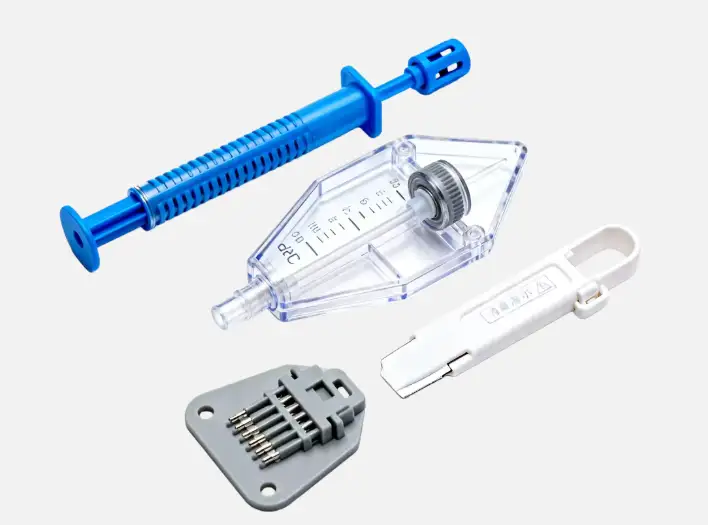
These injection-molded medical components are used in:
Diagnostic devices and laboratory equipment
Surgical instruments and accessories
Drug delivery systems
Implantable and non-implantable medical devices
Disposable medical consumables and plastic medical products
Medical molding differs from standard plastic molding in several critical ways:
Cleanroom injection molding environments
Medical-grade and biocompatible plastic materials
High-precision medical molding with tight tolerances
Traceability, documentation, and validation
Regulatory compliance with FDA, ISO 13485, MDR
Medical device mold design, mold tooling, and injection molding capabilities must all be aligned to meet these requirements.
Why Injection Molding Is Essential for Medical Devices
Injection molding for medical devices is essential because it offers a cost-effective solution for medical device manufacturing while maintaining precision and repeatability.
Medical injection molding provides:
High repeatability across production batches
Tight dimensional control for medical device components
Scalable volumes for manufacturing a wide range of medical products
Ability to produce complex geometries
Excellent surface finish for plastic medical parts
For disposable and high-volume medical products, plastic injection molding for medical applications is often the only viable solution that balances cost, consistency, and compliance.
Medical devices rely on injection molding services for parts that must be:
Sterile
Reliable over long use cycles
Chemically resistant
Mechanically stable
Safe for human contact
This makes medical plastic injection molding a core technology in modern medical device manufacturing.
Sterility Requirements in Medical Injection Molding
Sterility is a defining requirement in medical injection molding and medical plastic molding.
Plastic components used in medical applications must be designed, molded, handled, and packaged in ways that prevent contamination throughout the injection molding process and downstream handling.
Cleanroom Injection Molding
Many medical device components are produced using cleanroom injection molding environments, commonly including:
ISO Class 7 cleanrooms
ISO Class 8 cleanrooms
Cleanroom medical molding controls:
Airborne particle levels
Microbial contamination
Temperature and humidity
The injection mold, molding machine, tooling, materials, and operators must follow strict cleanroom protocols defined by ISO 13485 medical molding standards.
Designing for Sterility
Part design directly impacts sterility and moldability in Medical device plastic injection molding design:
Smooth surfaces reduce contamination traps
Minimal crevices and undercuts improve cleanability
A proper draft ensures clean ejection from the mold
Avoid unnecessary texture on medical parts
Injection-molded medical components that trap debris or moisture increase sterilisation risk and regulatory exposure.
Sterilisation Compatibility
Medical-grade plastic components must withstand common sterilisation methods used in the medical field, including:
Gamma irradiation
Ethylene oxide (EtO)
Steam autoclave
Electron beam (E-beam)
Material selection, injection mold design, and part geometry must be compatible with the chosen sterilisation method to prevent deformation, discoloration, or degradation during the medical injection molding process.
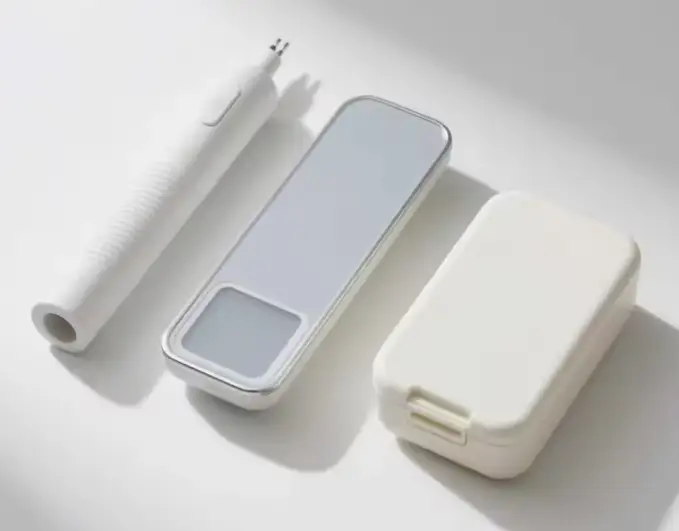
Precision Requirements for Medical Injection Molded Parts
Precision is non-negotiable in medical device plastic injection molding services.
Medical plastic parts often require:
Extremely tight tolerances
Consistent part weight
Exact fit with mating components
Repeatable performance over millions of cycles
Even minor dimensional variation in injection-molded medical components can lead to malfunction, leakage, or device failure.
Tolerance Control in Medical Molding
Typical tolerance expectations in high-precision medical molding:
±0.02–0.05 mm for critical medical device features
±0.1 mm for non-critical dimensions
Achieving these tolerances requires:
High-quality injection mold and medical component tooling
Stable medical-grade thermoplastics
Validated medical injection molding process
Ongoing monitoring and statistical control
Over-tight tolerances significantly increase tooling complexity, validation effort, and cost.
Medical-Grade Plastic Materials
Material selection is one of the most critical decisions in medical plastic injection molding.
Materials used in medical devices must meet requirements for:
Biocompatibility
Chemical resistance
Sterilisation stability
Mechanical performance
Common Medical Injection Molding Materials
Polypropylene (PP)
Widely used for disposable medical devices
Excellent chemical resistance
Autoclave compatible
Polyethylene (PE)
Flexible and durable
Common in tubing and containers
Polycarbonate (PC)
High clarity and strength
Used for housings, connectors, and medical equipment
ABS (Medical Grade)
Good impact resistance
Used in non-patient-contact medical parts
PEEK
High-temperature, high-performance polymer
Used in surgical tools and implantable medical devices
PSU / PPSU / PEI
Excellent heat resistance
Suitable for repeated sterilisation cycles
All medical-grade plastic molding materials must comply with regulatory standards such as USP Class VI and ISO 10993 to ensure safety, traceability, and regulatory approval.

Tooling Design for Medical Device Injection Molding
Tooling design for medical device injection molding must meet far higher standards than general industrial tooling. In the medical device industry, the mold is a critical medical asset that directly impacts patient safety, product performance, and regulatory compliance.
Key tooling requirements in advanced medical injection molding include:
Precision machining for complex medical components
Stable steel selection for long-term dimensional control
Polished or controlled surface finishes meeting medical device surface finish requirements
Robust venting and gating to support clean manufacturing for medical devices
Injection mold materials are selected to withstand:
Long production runs in the medical manufacturing environment
Cleanroom operation and repeated sterilisation
Frequent cleaning and medical injection mold maintenance
Injection molding is a specialized manufacturing process, and in the medical industry, tooling quality defines the reliability of medical devices and components.
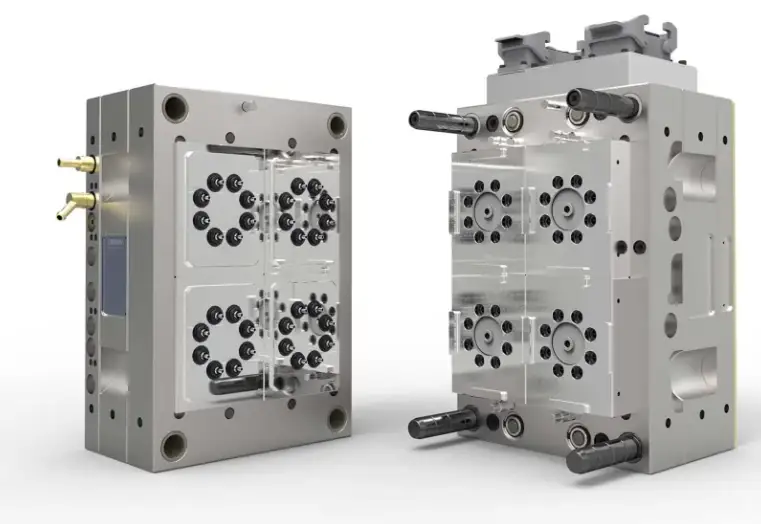
Multi-Cavity and High-Precision Tooling
To meet demand across many medical applications, medical injection molding often relies on advanced tooling concepts such as:
Multi-cavity mold designs
Hot runner systems for reduced waste
Balanced flow paths for uniform filling
Injection molding excels in high-volume medical production molding because consistency across cavities is essential. Each cavity must produce identical medical plastic parts to meet the strict standards of the medical device industry.
This level of precision supports the production of medical syringe molding, catheter component molding, diagnostic device plastic parts, and other critical medical applications used in the medical field.
Validation and Process Control
Validation is mandatory in medical injection molding and is a cornerstone of regulatory-compliant medical molding.
Every step in the injection molding process must be documented, controlled, and repeatable to ensure trusted medical device production.
IQ, OQ, and PQ
Installation Qualification (IQ) verifies the correct installation of injection molding machines and tooling
Operational Qualification (OQ) defines stable operating windows for the manufacturing process
Performance Qualification (PQ) confirms consistent output under real production conditions
These validation and IQ/OQ/PQ processes reduce risk, support traceability in medical molding, and ensure compliance with standards of the medical industry.
Quality Control and Inspection
Medical molding quality control requires rigorous systems far beyond standard plastic injection molding.
Quality control measures typically include:
In-process inspection during molding
Statistical process control (SPC)
Vision inspection systems for medical components
High-accuracy dimensional measurement
For medical devices and equipment, documentation and traceability are as important as the physical quality of the plastic medical parts themselves.
Regulatory Standards and Compliance
Medical device injection molding must comply with multiple global regulatory frameworks that govern medical manufacturing.
Key Standards and Regulations
ISO 13485 (Medical Quality Management Systems)
FDA 21 CFR Part 820
EU MDR
ISO 10993 (Biocompatibility of materials used in medical devices)
Medical device manufacturers must maintain detailed records covering:
# Medical plastic material selection
# Manufacturing processes
# Tooling and injection molding capabilities
# Production of medical batches
Non-compliance can result in recalls, regulatory action, or market withdrawal, making compliance crucial in the injection molding industry.
Applications of Medical Device Plastic Injection Molding
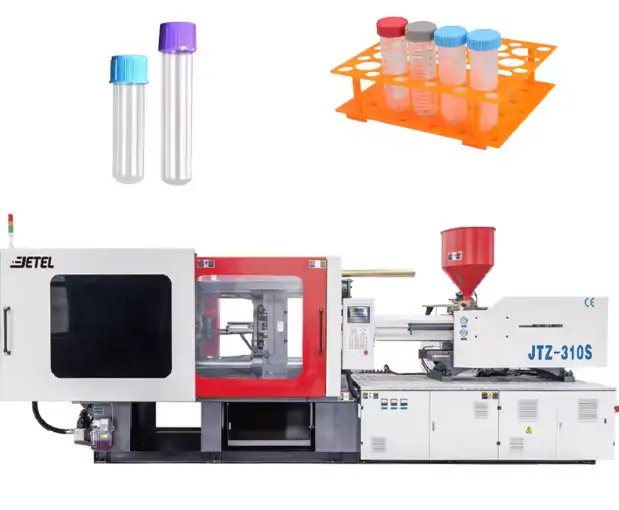
Injection molding is widely used in the medical field and supports a wide range of medical applications, including:
Disposable medical plastic parts such as syringes and plungers
IV connectors and medical housing injection molding
Diagnostic test housings and diagnostic device plastic parts
Surgical instrument plastic components
Inhaler components
Catheter component molding
Medical packaging
Both disposable and reusable medical device components rely on injection molding because it allows scalable, precise, and cost-effective production.
Designing Medical Parts for Injection Molding
Designing medical parts for injection molding must balance multiple requirements of the medical device industry:
Manufacturability
Functionality
Sterility
Regulatory compliance
Key design principles for medical plastic injection molding include:
Uniform wall thickness
Adequate draft angles for clean ejection
Smooth transitions to reduce stress and contamination
Minimal undercuts to improve moldability
Design for Manufacturability (DFM) is a critical step before tooling begins and directly affects injection molding solutions for complex medical devices.
Cleanroom Assembly and Secondary Operations
Many medical components and devices require secondary operations after molding.
These may include:
Insert molding for medical devices
Overmolding medical components
Ultrasonic welding
Cleanroom medical plastic assembly
In some cases, the manufacturing process involves molding one component onto another or involves molding a secondary component, such as elastomer grips or seals. Integrating these operations reduces handling steps and contamination risk.
Packaging Considerations for Sterile Medical Parts
Packaging is considered part of the medical device and must meet the strict requirements of the medical industry.
Medical packaging must:
Maintain sterility throughout distribution
Withstand sterilisation methods
Protect parts during transport
Injection molding companies serving the medical device industry often support packaging design, validation, and integration with clean manufacturing for medical devices.
Low-Volume vs High-Volume Medical Injection Molding
Different stages of medical device development require different injection molding strategies.
Low-volume medical injection molding supports:
Prototyping and early design validation
Clinical trials
Initial market entry
High-volume medical production molding focuses on:
Full-scale production
Cost optimisation
Advanced automation
Injection molding allows designs to scale efficiently, provided early development considers future production requirements.
Risk Management in Medical Injection Molding
Risk management is embedded in all advanced medical injection molding operations.
Common risks include:
Material variability in medical plastic
Process drift during long production runs
Tool wear affecting medical components
Contamination risks in cleanroom environments
Risk mitigation strategies include:
Preventive maintenance programs
Process monitoring and SPC
Supplier qualification and audits
These practices are crucial in the medical manufacturing process and ensure that medical devices meet performance and safety expectations.
Choosing the Right Medical Injection Molding Partner
Selecting the right medical injection molding company is critical for success in the medical device industry.
A trusted medical device partner should offer:
Deep medical industry experience
Cleanroom injection molding capabilities
Strong regulatory and validation expertise
Robust quality systems
Proactive DFM and design support
A leading medical injection molding partner reduces risk, accelerates development, and ensures compliance across many medical applications.
Future Trends in Medical Injection Molding
The future of medical injection molding continues to evolve alongside advances in healthcare technology.
Emerging trends include:
Micro-molding for minimally invasive medical devices
Liquid silicone injection molding for soft medical applications
Advanced automation and digital monitoring
Sustainable medical plastics
Innovation in injection molding solutions must still meet strict regulatory demands, making advanced injection molding a balance of technology and compliance.
Conclusion: Precision, Sterility, and Reliability
Medical device plastic injection molding is crucial in the medical field and goes far beyond simply creating medical components.
Success depends on:
Precision engineering
Sterile production environments
Medical-grade plastic materials
Validated manufacturing processes
Regulatory-compliant medical molding
When executed correctly, injection molding delivers sterile, precise, and reliable medical components at scale — supporting patient safety and the future of medical technology.