
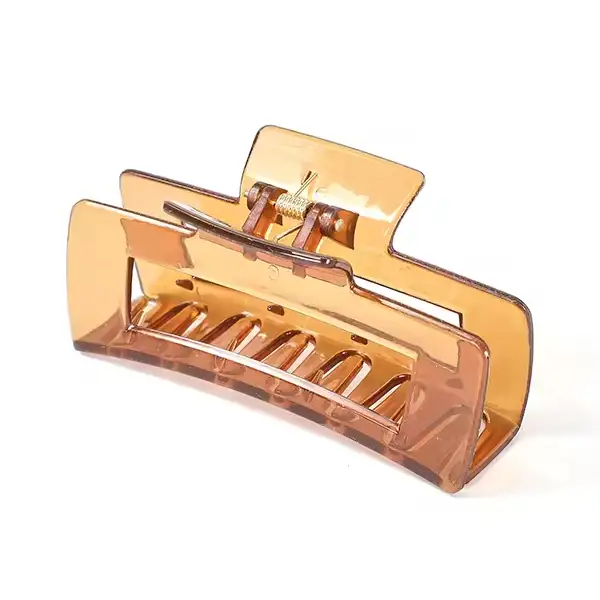
Custom hair clips service with AIM plastic, with design and engineering support, OEM, ODM, injection mold making, competitive price, shipment support etc
Custom hair clips may look like simple hair accessories, but behind every high-quality hair clip is a careful balance of design, material selection, tooling precision, and efficient production.
From fashion brands and beauty startups to promotional product companies, gift suppliers, and large retail shops, custom hair clips are widely used to express brand identity, support different styles, and meet real customer needs across multiple markets.
Today’s custom hair accessories are not just functional clips. They are fashion items, jewelry-like details, personalized gifts, and even branded promotional tools. Whether it’s a cute claw clip for everyday wear, a rhinestone hair claw for fashion collections, or personalized hair clips designed for bridesmaid packs, customization plays a central role in value creation.
[bg_collapse_level2 view=”link” color=”#e34507″ icon=”arrow” expand_text=”Read More” collapse_text=”Read Less” ]
In this guide, we’ll break down everything you need to know about custom hair clips—including clip types, materials, production methods, design considerations, branding options, price factors, and how to choose the right manufacturing approach.
Whether you’re sourcing custom hair clips for retail, private label, promotional use, bulk custom hair clips, or wholesale custom hair clips with global shipping, this article will help you make informed decisions.
Custom hair clips are hair accessories produced according to specific requirements for shape, size, color, material, surface finish, and branding. Unlike off-the-shelf clips, a custom hair clip allows brands to fully control how the product looks, feels, and performs for the end customer.
Customization typically includes:
Shape and claw structure
Material selection and thickness
Color matching or tortoise-style patterns
Logo hair clips with printing or engraving
Surface finish (matte, glossy, textured)
Packaging style for retail, gift, or pack sets
Custom hair clips are commonly manufactured using plastic injection molding for large-volume production, CNC machining for prototyping, or assembly-based processes when combining plastic, metal pins, springs, rhinestones, or jewelry elements.
Custom hair accessories are widely used in:
Fashion and beauty brands
Promotional giveaways and branded hair clips
Custom kids’ hair clips and custom baby hair clips
Salon and professional styling tools
Retail private-label and customized hair collections
Understanding different clip styles is the first step in product design and production planning. Each hair clip type serves a different functional purpose, price range, and fashion style.
Claw clips remain one of the most popular hair accessories worldwide, especially large hair claw clips designed for thick hair.
Key features:
Strong claw grip suitable for a hair clip for thick hair
Typically made from ABS, acrylic, or acetate material
Spring-loaded design with metal pins and internal components
Custom claw clip development allows brands to personalize:
Unique claw shapes (oval, square, curved, oversized)
Custom teeth spacing and claw strength
Color variations, including solid color, tortoise, or marble effects
Matte, glossy, or translucent finishes
From minimal everyday claw clips to rhinestone hair claw designs for fashion collections, custom claw clips are widely used by fashion brands, online shops, and wholesale buyers.
Snap clips are lightweight, flat hair clips often used for simple styling, kids’ hair accessories, and budget-friendly collections.
Advantages:
Simple clip structure with low material usage
Cost-efficient production and competitive price points
Easy customization with printed hair clips, embossed logos, or personalized initials
Custom snap clips are ideal for:
Custom kids’ hair clips and cute seasonal designs
Promotional hair clips for brand campaigns
Bulk production for retail packs or gift sets
Barrettes combine functionality with decorative appeal and are often positioned as fashion hair accessories or jewelry-inspired items.
They typically include:
A plastic or metal clip base
Decorative top pieces made from acrylic, acetate, or rhinestone elements
A mechanical clasp or pin system
Custom barrettes are commonly used in:
Fashion-forward collections
Gift packaging and bridesmaid hair accessory sets
Boutique brands offering personalized hair or initial hair clips
Alligator clips are widely used in professional environments where grip and durability matter most.
Typical applications include:
Hair salons and styling professionals
Makeup artists and backstage fashion teams
Functional styling tools rather than decorative pieces
Customization usually focuses on:
Clip length and jaw strength
Surface texture for better grip
Logo hair clips for salon branding
Custom alligator hair clips are often produced in bulk and branded for professional customers.
Decorative hair clips emphasize appearance and style over pure function. These designs often combine multiple materials and manual assembly.
Common decorative elements include:
Rhinestone and crystal settings
Pearls and jewelry-style accents
Fabric overlays or mixed-material components
These decorative hair clips are popular as:
Personalized hair clips for gifts
Fashion accessories for special occasions
Bridesmaid hair accessories and premium packs
Material choice directly affects durability, appearance, production cost, sustainability, and customer perception. Selecting the right material is essential for creating high-quality custom hair accessories.
ABS is one of the most commonly used materials in custom plastic hair clips.
Benefits include:
High impact resistance and durability
Excellent moldability for complex claw designs
Smooth surface finish for printing and engraving
ABS is widely used for custom hair clip bodies, claw structures, snap clips, and internal components, especially in mass production environments.
Acrylic hair clips are chosen primarily for visual appeal and fashion styling.
Advantages:
High transparency and glossy finish
Vibrant color options and customized color matching
Ideal for decorative and fashion-focused designs
Custom acrylic hair clips are frequently used in fashion collections, gift products, and personalized hair accessories.
PP is a lightweight and flexible material often selected for cost-sensitive production.
Best suited for:
Simple clip designs
Budget-friendly or promotional hair clips
Children’s hair accessories where flexibility is needed
While PP offers good fatigue resistance, it provides lower rigidity compared to ABS.
Cellulose acetate is a premium material widely associated with high-end hair accessories.
Key characteristics:
Eco-friendlier alternative compared to traditional plastics
Rich color depth and natural tortoise patterns
Excellent surface quality and premium feel
Acetate hair clips are commonly used by luxury brands, boutique shops, and fashion labels targeting higher price points.
Many custom hair clips rely on metal components to ensure functionality and long-term durability.
Common metal parts include:
Steel springs for claw clips
Aluminum or stainless steel bases
Pins and clasps for barrettes and alligator clips
Metal components are typically manufactured separately and assembled after plastic molding during the final stage of production.
Injection molding is the most common and scalable production method for custom hair clips, including those used for retail, salon, and private-label hair accessories.
Why injection molding works well:
High precision for custom shape hair clips and detailed decorative elements
Consistent quality suitable for OEM hair clips and bulk orders
Ideal for complex designs such as claw clips, French barrette styles, and tortoise shell hair clip patterns
Cost-effective for medium to large volumes, especially when targeting budget control
Process overview:
Mold design and tooling based on clip selection and intended occasion
Plastic material melting, including ABS, acrylic, or durable plastic hair clip materials
Injection into the mold cavity with controlled flow and pressure
Cooling and ejection to maintain shape accuracy and surface finish
Trimming and finishing for marble, glitter, or matte effects
Assembly (if required) with metal springs, pearl, crystal, or decorative charm components
Injection molding ensures repeatability, scalability, and consistent grip performance, making it ideal for everyday hair clips, luxury hair accessories, and trendy hair clips alike.
For low-volume runs, handmade-style samples, or early design validation, CNC machining may be used before committing to mold tooling.
Pros:
No tooling investment, suitable for early-stage product selection
Faster initial turnaround for testing barrette hair clips or acrylic initial designs
Design flexibility for letter hair clips, clip set concepts, or floral and sparkle decorations
Cons:
Higher unit cost compared to injection molding
Not suitable for bulk or mass production
CNC machining is often used to validate fit, grip, and non-slip performance before investing in injection molds.
Some custom hair clips involve multiple components that must be assembled after molding.
These may include:
Plastic shells for lightweight hair clips
Metal springs and pins for a sturdy grip and durability
Decorative elements such as crystal, flower, pearl, charm, or glitter
Assembly may be manual or semi-automatic, especially for decorative, bridal, or luxury designs where appearance matters more than speed.
Good design goes beyond appearance. It directly affects how well a hairclip performs and how customers perceive the product.
A hair clip must keep your hair secure without pulling, slipping, or causing discomfort.
Key design factors include:
Teeth spacing for different hair types
Clip curvature to wrap naturally around the head
Spring tension to avoid slipping while remaining easy to open
Inner surface texture for non-slip performance
Poor grip or balance often leads to negative customer reviews and higher return rates.
Hair clips are opened and closed repeatedly, especially salon hair accessories and everyday hair clips.
Designers must consider:
Stress points near hinges and joints
Plastic thickness and reinforcement
Metal spring quality
Durable plastic hair clips with reinforced hinges offer longer service life and improved customer satisfaction.
Oversized claw clips and barrette styles must balance size with comfort.
Poor balance can cause:
Slipping during wear
Discomfort over long periods
Breakage under tension
Lightweight hair clips made from optimized material thickness help prevent these issues.
Visual customization is where brands stand out in crowded markets.
Design elements include:
Custom color hair clips using Pantone matching
Transparent, marble, or tortoise shell effects
Matte vs glossy finishes for chic or minimal style hair clips
Decorative details such as sparkle, floral accents, or pearl inlays
These choices define whether a product feels trendy, luxurious, or suitable for special occasions like parties, weddings, birthdays, or bridal use.
Custom branding transforms basic hair accessories into products customers recognize and trust.
Common methods include:
Pad printing
UV printing
Screen printing
These techniques work best for flat surfaces on barrette clips, claw clips, and clip sets intended for hair clips for branding.
Logos can be molded directly into the clip design.
Benefits:
Permanent branding that won’t fade or wear
Clean, premium appearance
Ideal for private label hair clips and OEM programs
This approach requires precise mold design and coordination with a custom hair clip manufacturer.
Packaging enhances perceived value and suitability for gifting.
Options include:
Blister packs for retail
Kraft boxes for eco-friendly hair clips
Custom printed cards for gift or bridal sets
Packaging is especially important for wedding, bride, bridesmaid, and party-oriented products.
Fashion brands use custom hair clips extensively across:
Seasonal collections
Fast fashion drops
Accessories and jewelry-inspired lines
Products range from minimal style hair clips to super cute decorative designs.
Professional salons use branded hair clips primarily for function.
Applications include:
Hair sectioning during styling
Durable, non-slip tools
Client giveaways
Here, grip strength, durability, and reusable hair accessories matter more than decoration.
Custom hair clips are popular promotional items due to their practicality.
Used as:
Event giveaways
Brand merchandise
Marketing tools
Low unit price, bulk availability, and high daily use make them effective promotional products.
Children’s hair clips prioritize:
Safety and rounded edges
Bright colors and cute designs
Lightweight materials
Customization helps brands differentiate while keeping costs under control.
MOQ depends on:
Manufacturing method
Material selection
Design complexity
Injection molding typically involves:
Higher initial tooling investment
Higher MOQ
Lower unit cost at scale
Tooling cost varies based on:
Mold size and cavity count
Surface finish requirements
Steel material used for the mold
High-quality molds can last hundreds of thousands of cycles.
Key cost drivers include:
Material type (acrylic, ABS, acetate)
Clip size and structure
Assembly and decorative elements
Packaging requirements
Order volume
Early design optimization helps control budget and improve margins.
Reliable manufacturers apply strict quality standards throughout production.
Open and close cycle testing
Drop testing
Spring tension testing
Visual inspection for decorative flaws
Dimensional measurement
Consistent QC reduces complaints and strengthens brand trust.
Sustainability is increasingly important in hair accessory customization.
Options include:
Recyclable plastics
Bio-based materials
Cellulose acetate
Reduced or recyclable packaging
Designing durable, reusable hair accessories also helps reduce waste.
When selecting a custom hair clip supplier, consider:
Experience with hair accessories
In-house tooling capabilities
Material and design expertise
Quality control systems
Clear communication
The right partner helps optimize design, cost, and lead time.
Current trends include:
Oversized claw clips
Minimal matte finishes
Neutral and earth-tone colors
Eco-friendly materials
Personalized letter and initial designs
Brands that react quickly to trends gain a competitive edge.
Custom hair clips may be small products, but they require careful design, precise manufacturing, and thoughtful branding. From mold tooling and material selection to packaging and quality control, every detail affects performance and market success.
Whether you are developing fashion barrettes, salon tools, promotional products, or luxury hair accessories, custom hair clips offer flexibility, scalability, and long-term demand.
With the right manufacturing strategy and a reliable partner, custom hair clips can grow from simple accessories into a profitable, sustainable product category.
[/bg_collapse_level2]

