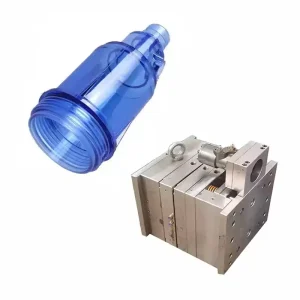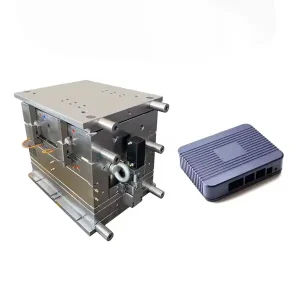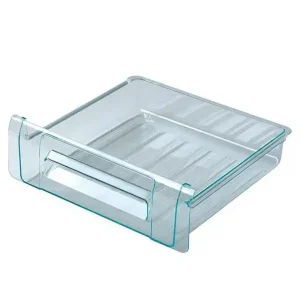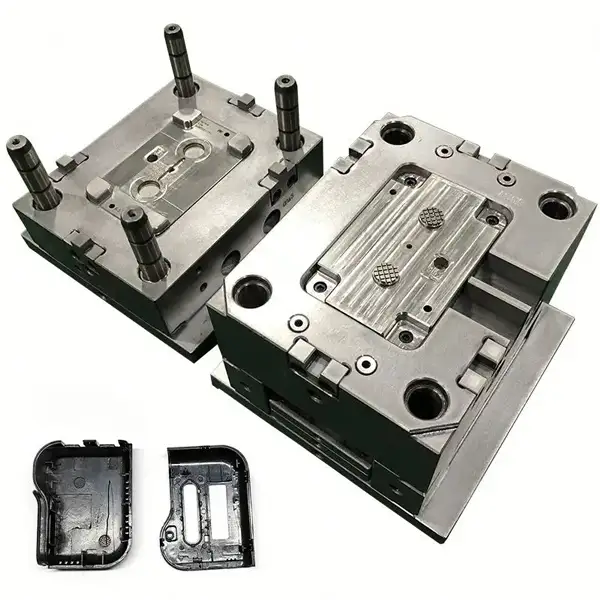
Custom hdpe injection molding service with AIM plastic, with design and engineering support, OEM, ODM, mold making, competitive price, shipment support
HDPE injection molding is one of the most widely used plastic injection and plastic manufacturing processes in modern production environments. As a popular material in high-density polyethylene molding, high-density polyethylene (HDPE) is known for its high impact resistance, excellent chemical stability, and cost-effective performance. Because of its high strength-to-density ratio, HDPE is widely used to produce parts that must withstand long-term use, environmental stress, and repeated loading.
Using HDPE plastic in injection molding applications allows manufacturers to create durable injection molded products for industries such as packaging, automotive, medical, consumer products, food storage, and industrial equipment. From plastic bottles made from HDPE to structural housings, HDPE remains a preferred injection molding material for high-volume production.
In this guide, we’ll explore what HDPE injection molding is, how the HDPE injection molding process works, its key advantages, common applications, HDPE material properties, design for manufacturing (DFM) guidelines, challenges, and why HDPE is still one of the most widely used for injection molding materials in global plastic manufacturing.
[bg_collapse_level2 view=”link” color=”#e34507″ icon=”arrow” expand_text=”Read More” collapse_text=”Read Less” ]
HDPE injection molding is a plastic injection molding production process that involves heating HDPE resin pellets to their required melt temperature and injecting the molten material into a precision-engineered injection mold. Once cooled and solidified, the mold opens and ejects consistent, high-quality HDPE molded parts with controlled tolerance and repeatable dimensions.
HDPE is a thermoplastic polymer derived from petroleum-based hydrocarbons. Because it can be reheated and reshaped, HDPE is well-suited for thermoplastic HDPE molding and automated injection molding services. Its excellent high-strength-to-density performance and resistance to chemicals and moisture make it ideal for demanding injection molding applications.
HDPE is used by many manufacturers for both standard and custom HDPE injection molded solutions. With proper HDPE mold design and high-quality HDPE tooling and molds, injection molders can reliably manufacture complex HDPE injection molded components at scale.
Before diving into the molding process, it’s important to understand why HDPE plastic performs so well as an injection molding material.
Key material properties of HDPE include:
High impact resistance
Excellent chemical and corrosion resistance
Low moisture absorption
High tensile strength
Lightweight yet rigid structure
Good fatigue resistance
FDA-compliant HDPE grades available for food and medical use
HDPE typically has a density between 0.94 and 0.97 g/cm³, which gives it a superior high strength-to-density ratio compared to low-density polyethylene (LDPE), while still maintaining flexibility. This balance allows HDPE parts to resist cracking under environmental stress and repeated mechanical loading.
Different grades of HDPE are available depending on performance requirements. Selecting the right grade of HDPE is critical for optimizing strength, surface quality, shrinkage behavior, and long-term durability in HDPE plastic processing.
The HDPE injection molding process follows a controlled sequence of steps designed to consistently produce high-quality injection molded HDPE parts.
HDPE resin pellets are loaded into the hopper of the injection molding machine. Because HDPE has very low moisture absorption, it typically does not require extensive drying, reducing preprocessing time and improving overall efficiency in HDPE plastic manufacturing.
The pellets are heated inside the barrel until they reach the appropriate melt temperature, usually between 180°C and 260°C, depending on the HDPE grades being used. A rotating screw melts and homogenizes the resin, preparing the material for stable and uniform injection.
Molten HDPE is injected under high pressure into a closed mold. Proper gate location, flow balance, and HDPE mold design are essential to control shrinkage, ensure complete filling, and maintain dimensional accuracy in HDPE part production.
After injection, the plastic cools and solidifies inside the mold. Cooling time directly affects cycle time, part strength, surface finish, and overall consistency of injection molded parts.
Once cooled, the mold opens, and ejector pins release the finished molded parts. HDPE parts usually require minimal post-processing, making HDPE injection molding highly efficient for high-volume production.
HDPE injection molding offers several advantages compared to other plastic materials and manufacturing methods.
HDPE resin is affordable, and fast cycle times make HDPE injection molding services extremely cost-effective for mass production of plastic components.
HDPE parts offer excellent impact resistance and can withstand repeated stress, vibration, and mechanical loading without failure.
HDPE resists acids, solvents, detergents, and moisture, which is why HDPE is used extensively for containers, pipes, and HDPE industrial components.
Compared to metal alternatives, HDPE delivers strong structural performance at a much lower weight.
Injection molding enables complex geometries, integrated ribs, snap-fits, and consistent wall thickness while maintaining tight tolerances for custom parts.
HDPE is fully recyclable and widely reused in post-consumer and post-industrial streams, supporting sustainable plastic manufacturing practices.
Due to its versatility, HDPE molding applications span a wide range of industries.
Bottle caps and closures
Food storage containers
Storage bins
Chemical packaging
Industrial drums
Many packaging products, including plastic bottles, are made from HDPE because of FDA-approved grades and excellent chemical resistance.
Fluid reservoirs
Battery housings
Protective covers
Clips and brackets
HDPE parts help reduce vehicle weight while maintaining durability under heat and vibration.
Medical containers
Non-critical medical components
Pharmaceutical packaging
Selected HDPE grades provide good chemical stability and sterilization resistance.
Household containers
Toys
Toolboxes
Outdoor furniture components
HDPE molded parts offer long service life in everyday consumer products.
Pipe fittings
Electrical enclosures
Pallets and crates
Protective covers
HDPE performs reliably in harsh environments with moisture, chemicals, and mechanical wear.
When choosing an injection molding material, HDPE is often compared with other thermoplastics.
HDPE has higher impact strength
Polypropylene offers better heat resistance
HDPE performs better under environmental stress
HDPE has superior chemical resistance
ABS offers a better surface finish
HDPE is more flexible and cost-effective
HDPE is stronger and more rigid
LDPE is softer and more flexible
HDPE provides better dimensional stability
While there are potential alternatives to HDPE, HDPE remains one of the most widely used materials for injection molding due to its balanced performance, processing stability, and cost advantages.
Proper part design is essential to maximize the performance, durability, and dimensional accuracy of HDPE injection-molded components. As a thermoplastic polymer with high density, excellent toughness, and strong chemical and impact resistance, HDPE is an ideal material for many injection-molded applications, especially when parts must meet strict required specifications for strength, stiffness, and long-term reliability.
Uniform wall thickness is critical in HDPE plastic part design. Recommended thickness typically ranges from 1.5 mm to 4 mm to avoid sink marks, internal stress, and warp. Consistent wall sections also improve melt flow behavior, enhance HDPE flow characteristics, and support HDPE cycle time optimization during high-volume production, particularly for thin-walled or complex parts.
A draft angle of 1° to 2° is recommended to allow easy part ejection from the mold and reduce tool wear. A proper draft improves surface quality, protects the tool, and supports HDPE low warpage molding, especially for parts with high stiffness and strength-to-weight requirements.
Ribs should be no more than 60% of the wall thickness to prevent sink marks while improving stiffness, mechanical strength, and overall strength and rigidity. In applications using HDPE for structural support, well-designed ribs allow designers to maintain strength without increasing material usage, keeping parts lower in cost.
HDPE has a relatively high HDPE shrinkage rate (typically 1.5%–3%) due to its semi-crystalline polymer structure. Mold design must compensate for this behavior to achieve accurate dimensions, maintain tolerance, and ensure consistency in HDPE precision injection molding and HDPE high-volume production.
HDPE naturally has a slightly waxy surface due to its plastic resin structure. While this limits gloss, surface finish can be improved through mold texturing or polishing. For consumer goods, food contact products, and HDPE injection molded containers, proper mold surface treatment enhances appearance without sacrificing durability.
While HDPE is a commodity plastic known for excellent processability and lower cost, certain challenges must be managed carefully.
Because HDPE has high density and a semi-crystalline structure, uneven cooling can lead to warpage. Optimized HDPE mold cooling and balanced flow are critical to prevent deformation and ensure dimensional stability, particularly in thin-walled or large parts.
Compared to ABS or PC, HDPE does not naturally achieve a high-gloss surface. However, for many consumer goods and industrial components, HDPE’s excellent durability and chemical resistance outweigh cosmetic limitations.
HDPE has low surface energy, which can complicate secondary operations such as painting or bonding. Surface treatments may be required when additional finishing is necessary.
Thin or complex parts require optimized gating, controlled HDPE injection molding temperature, and consistent cooling to maintain precision. An experienced injection molding partner can ensure stable processing throughout the HDPE manufacturing process.
Working with an experienced injection molding supplier helps mitigate these issues and ensures consistent part quality.
Tooling quality directly impacts part performance, cycle time, and long-term production efficiency.
Mold steel selection must withstand abrasion and high cycle counts
Proper gate design ensures balanced melt flow and uniform filling
Venting is critical to prevent trapped air and burn marks
Cooling channels must be optimized to control shrinkage and cycle time
Although tooling costs can be high upfront, high-quality molds deliver long-term savings for HDPE cost-effective molding and reliable HDPE durable plastic components.
HDPE is one of the most recycled thermoplastic materials worldwide and is identified by recycling code #2. Its recyclability makes HDPE an extremely popular choice for sustainable plastic manufacturing.
Injection-molded HDPE parts can incorporate:
Post-consumer recycled (PCR) HDPE
Post-industrial recycled material
Regrind from manufacturing waste
Because HDPE is approved by the FDA for food contact applications, HDPE food grade injection molding supports both sustainability and regulatory compliance in packaging and food storage products such as milk jugs and containers.
Selecting an experienced HDPE injection molding manufacturer is essential for achieving consistent quality, performance, and lower cost production.
Key factors to consider include:
Expertise in HDPE material properties and HDPE grades
Advanced HDPE polymer molding and tooling capabilities
Quality control systems and traceability
Certifications such as ISO 9001 or industry-specific standards
Ability to support prototyping, testing, and mass production
A knowledgeable partner can also provide design for manufacturing (DFM) feedback to optimize part geometry, reduce material usage, and ensure parts meet mechanical strength and durability requirements.
As industries demand stronger, lighter, and more sustainable plastic solutions, HDPE polymer molding continues to evolve.
Emerging trends include:
Increased use of recycled HDPE
Lightweight structural designs with high impact resistance
Multi-material and hybrid molding solutions
Automation and smart manufacturing
Advanced cooling and process monitoring technologies
These developments ensure HDPE remains a popular choice and an ideal material for many applications across packaging, automotive, medical, and industrial sectors.
HDPE injection molding is a proven, versatile, and low-cost manufacturing solution for producing durable plastic components at scale. With high tensile strength, excellent chemical resistance, and strong impact performance, HDPE continues to support many applications—from packaging and HDPE automotive parts molding to HDPE medical grade molding and industrial use.
By understanding HDPE material properties, processing behavior, design guidelines, and tooling considerations, manufacturers can consistently produce high-quality, impact-resistant plastic parts while controlling cost and improving sustainability.
Whether developing new complex parts or optimizing existing designs, HDPE injection molding remains a reliable and scalable solution for modern plastic manufacturing.
[/bg_collapse_level2]