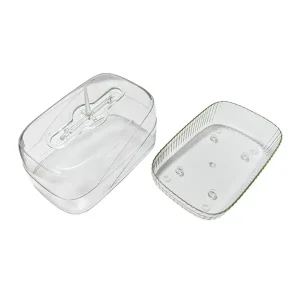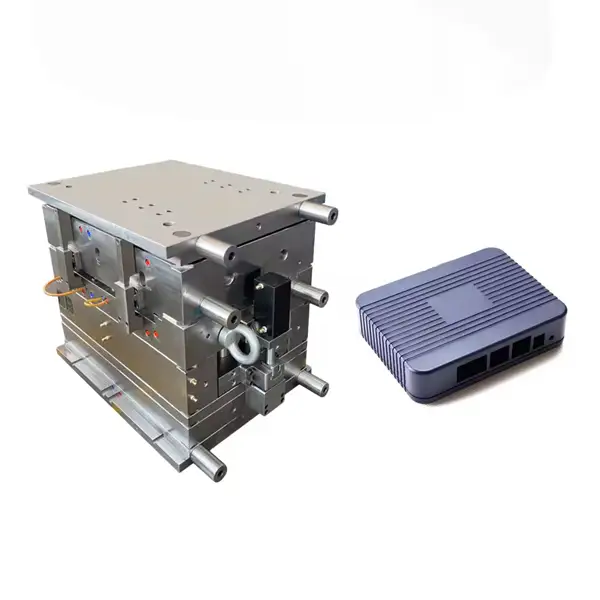
Custom nylon injection molding with AIM plastic, with design and engineering support, OEM, ODM, injection mold making, competitive price, shipment support etc
Nylon, also known as polyamide (PA), is one of the most versatile engineering thermoplastics used in nylon injection molding. Its combination of mechanical strength, wear resistance, and thermal performance makes it an ideal material for demanding industrial, automotive, electrical, and consumer plastic parts.
However, plastic injection molding with nylon is not as simple as molding widely used commodity plastics like polypropylene or polyethylene. Nylon’s moisture sensitivity, high shrinkage, and thermal characteristics require careful consideration in injection mold design, material selection, and molding process.
This comprehensive guide explores everything you need to know about the nylon injection molding process, including nylon resin material properties, processing tips, common challenges, and real-world applications for injection molded parts.
Nylon is a semi-crystalline thermoplastic known for its:
High tensile strength and mechanical performance
Impact resistance and fatigue endurance
Excellent wear and abrasion resistance
Good chemical and thermal stability
Nylon can be unfilled or reinforced with glass fiber, mineral fillers, or other additives to enhance mechanical strength, stiffness, or dimensional stability in molded nylon parts.
Several types of nylon are widely used in plastic injection molding with nylon:
Nylon 6 (PA6)
High strength and toughness
Good chemical resistance
Moderate water absorption
Excellent abrasion resistance
Nylon 66 (PA66 / nylon pa66)
Higher heat resistance than PA6
Excellent nylon material properties for mechanical parts
Slightly lower moisture absorption than PA6
Ideal for load-bearing nylon products
Nylon 12 (PA12)
Low moisture absorption
Flexible and fatigue-resistant
High chemical resistance
Often used in automotive fuel and fluid systems
Reinforced Nylons
Glass-filled nylon (PA6 GF, PA66 GF)
Increased stiffness and strength
Reduced creep
Higher-dimensional stability
Mineral-filled Nylon
Enhanced heat distortion resistance
Better dimensional stability
Slightly lower impact toughness than glass-filled grades
Choosing the right nylon resin grade is critical for achieving performance, durability, and manufacturability in injection-molded nylon parts.
When designing nylon injection molded parts, engineers must consider:
Excellent tensile strength and impact resistance
High fatigue resistance, especially in glass-filled nylon and unfilled grades
Heat deflection temperature ranges from 50°C (PA12) to 260°C (reinforced PA66 / nylon 66)
Can withstand moderate continuous temperatures for industrial and automotive nylon plastic parts
Nylon absorbs moisture from the air, affecting dimensions, mechanical properties, and processability
Unfilled nylons: up to 2–3% moisture by weight
Glass-filled nylons: less moisture absorption, more dimensional stability nylon
Excellent sliding wear performance
Ideal for gears, bearings, bushings, and other moving nylon parts
Resistant to oils, fuels, greases, and some solvents
Susceptible to strong acids or concentrated alkalis
Wall Thickness
Uniform wall thickness is critical to avoid warping, sink marks, or voids in injection-molded nylon
Recommended: 1.5–4.0 mm for standard nylon; thinner sections may be possible for PA12
Draft Angles
Minimum 1°–2° for smooth ejection from the mold
Textured surfaces require more draft
Rib and Boss Design
Rib thickness: 50–60% of wall thickness
Rib height: up to 3× wall thickness
Boss wall: 50–60% of nominal wall
Use fillets to reduce stress concentration in nylon injection-molded parts
Shrinkage Compensation
Nylon shrinks 1–2% in the molding process, depending on grade and moisture content
Glass-filled nylon shrinks less, ~0.2–0.8%
Drying
Moisture must be removed before injection molding machines process the resin to avoid hydrolysis
Typical drying conditions:
Temperature: 80–90°C (drying temperature)
Duration: 4–6 hours for unfilled nylon, 6–8 hours for glass-filled nylon
Melt Temperature
PA6: 240–270°C (melting temperature)
PA66: 260–280°C
PA12: 210–250°C
Glass-filled grades may require slightly higher temperatures
Mold Temperature
80–100°C for unfilled nylon
90–120°C for reinforced nylon
Higher mold temperature helps reduce internal stress and shrinkage variations
Injection Speed and Pressure
Moderate injection speed to prevent jetting and burn marks
High injection pressure for glass-filled nylon due to higher viscosity
Gate Design
Gates should feed thicker sections to avoid voids and sink marks
Tunnel or edge gates are common
Multiple gates may be needed for large, complex nylon parts
Warping and Shrinkage
Caused by uneven cooling and moisture variation
Minimized by uniform wall thickness, proper mold temperature, and reinforced nylon grades
Moisture-Related Defects
Hydrolysis can cause discoloration and brittleness
Moisture affects dimensional accuracy in nylon injection molding
Surface Finish Issues
Flow lines and weld lines can appear in high-viscosity or improperly gated parts
Polishing mold surfaces and adjusting the injection speed can improve the appearance
Tool Wear
Glass-filled nylons are abrasive and may require hardened steel inserts
Proper tool maintenance extends molding machine life
Nylon’s versatility allows it to be used across many industries. As a thermoplastic engineering resin, nylon is commonly used in demanding plastic mechanical parts and industrial nylon components where mechanical strength and durability are critical.
PA6 and PA66: under-the-hood components, engine covers, connectors, and structural brackets
PA12: fuel lines, tubing, and flexible automotive nylon parts
Glass-filled nylon: gears, clips, and reinforced brackets for higher tensile strength and creep resistance
Nylon injection molding allows plastic alternatives to metal in lightweight, high-performance automotive parts.
Connectors, switches, and enclosures for electrical nylon components
Excellent impact strength, low coefficient of friction, and chemical resistance
Flame-retardant and transparent nylon grades are available for specialized molded nylon parts
Nylon gears and bearings, bushings, rollers
High wear resistance and durable nylon materials
Suitable for long-life polymer materials and demanding mechanical applications
Sports equipment, handles, and clips
Appliance components
Injection-molded nylon offers durability, lightweight performance, and chemical resistance
Nylon grades approved for medical and food contact applications
Surgical instrument handles, tubing, and housings
Toughened nylon and nylon 11 can be used where biocompatibility and sterilizability are required
High mechanical strength, toughness, and impact-resistant nylon
Excellent wear and fatigue resistance
Good chemical resistance
Lightweight compared to metals
Can replace metal parts in many molded nylon products
Available in reinforced nylon grades (glass-filled, mineral-filled) for better dimensional stability
Nylon tends to absorb moisture, requiring drying of nylon before molding
Shrinkage and warpage must be managed with proper molding design and temperature control
Abrasive glass-filled nylon and mineral-filled nylon increase tool wear
Not suitable for very high-temperature continuous service above ~200°C unless specialized grades like nylon 46 or high-temperature nylon plastics
Material Selection – Choose the correct nylon material or PA nylon grade (PA6, PA66, PA12, PA11, reinforced) for mechanical properties and processing
Drying – Always dry nylon according to manufacturer recommendations to avoid hydrolysis and poor surface finish
Gate Design – Feed thicker sections to reduce voids; avoid cosmetic surfaces
Uniform Walls – Minimize thick and thin sections for thin-walled parts to prevent warping
Mold Temperature – Maintain proper mold temperature, increasing the mold temperature if needed to control shrinkage and improve surface quality
Processing Parameters – Adjust melt temperature, injection speed, and appropriate injection pressure according to reinforced nylon or toughened nylon grades
Post-Mold Conditioning – Some custom-molded nylon parts benefit from conditioning to stabilize dimensions
| Property | Nylon | POM | PC | ABS |
|---|---|---|---|---|
| Tensile Strength | High | Very High | Moderate | Moderate |
| Impact Resistance | High | Moderate | High | High |
| Heat Resistance | Medium | Medium | High | Medium |
| Wear Resistance | Excellent | Excellent | Moderate | Moderate |
| Moisture Sensitivity | High | Low | Low | Low |
| Chemical Resistance | Good | Good | Moderate | Moderate |
Nylon is also preferred where strength, wear resistance, and flexibility are critical, especially in moving molded nylon parts or components under load.
Recycling: Nylon can be recycled mechanically, but reinforced nylon grades require careful handling
Bio-based nylons: Nylon 11 and PA610 derived from castor oil offer more sustainable alternatives
Lightweighting: Nylon reduces part weight, contributing to fuel efficiency in automotive nylon parts
Advanced Reinforcements: Carbon fiber, nano-fillers for improved stiffness, conductivity, and high-stiffness nylon plastics
High-Temperature Grades: PA46, PA66 high-temperature grades for engine components
Bio-Based Nylons: More sustainable sources and production methods
Hybrid Materials: Nylon blends with elastomers or additives for multifunctional plastic parts for industrial equipment
Nylon injection molding combines mechanical strength, durability, and versatility, making it one of the most widely used engineering plastics in injection molding. Proper material selection, design, and processing of nylon are essential to achieve high-performance, reliable molded nylon parts.
From automotive nylon parts and precision nylon gears to electrical nylon components, nylon enables manufacturers to create lightweight, durable, and cost-effective nylon products while meeting demanding application requirements.
Understanding nylon’s material properties, the nylon injection molding process, and its range of applications is critical for successful design, prototyping, and scaling of plastic injection molded nylon parts.