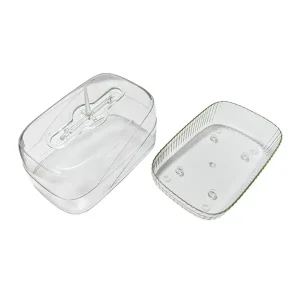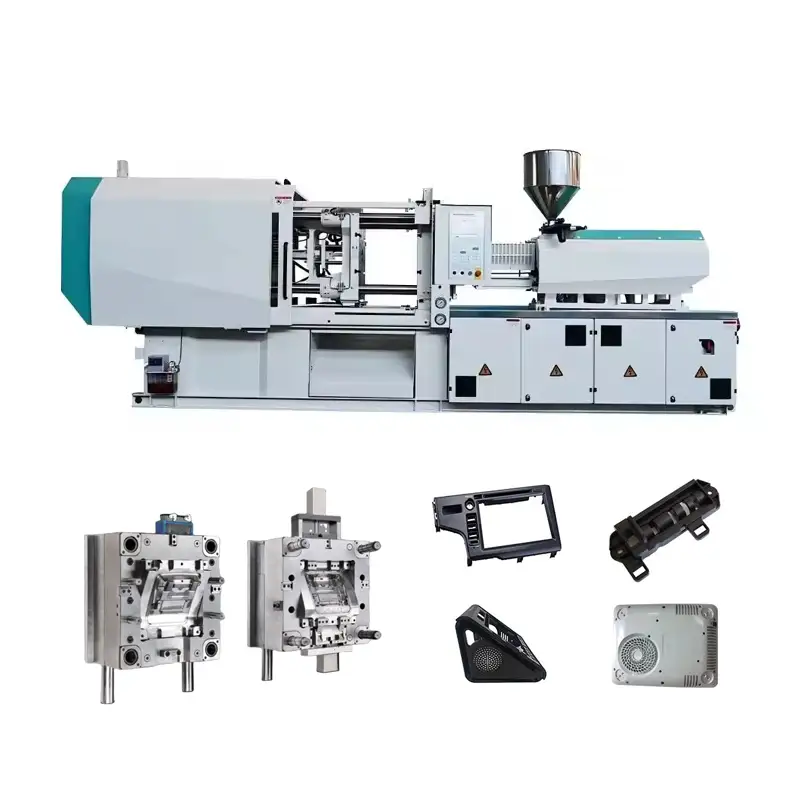
Custom injection machine moulding service with AIM plastic, with design and engineering support, OEM, ODM, injection mold making, shipment support etc
Injection machine moulding sits at the heart of modern plastic injection molding and industrial manufacturing processes. From automotive clips and medical housings to food packaging, electronic enclosures, and other plastic components, millions of high-quality plastic products are produced every day using advanced injection molding machines.
Despite how common the injection molding process is, many buyers, engineers, and product developers only have a surface-level understanding of how a plastic injection molding machine actually works, how different injection machines perform, and how to select the right injection molding press for a specific application.
[bg_collapse_level2 view=”link” color=”#e34507″ icon=”arrow” expand_text=”Read More” collapse_text=”Read Less” ]
This guide breaks it all down—clearly, practically, and without fluff.
Injection machine moulding (commonly called injection molding) is one of the most widely used manufacturing processes for producing consistent, repeatable plastic products. In this process, molten thermoplastic material is injected under controlled injection pressure into a closed mold cavity, cooled, and then ejected as a finished part.
The mould itself consists of two halves mounted on platens. These halves form the internal cavity that shapes the final part. Molten plastic into the mold fills the cavity before cooling and solidifying.
The entire injection molding process relies on a plastic injection moulding machine, sometimes simply called an injection machine, which precisely controls:
Material melting from plastic pellets
Injection pressure and injection speed
Clamping force applied by the clamping unit
Cooling time and cycle times
Part ejection from the mold
The result is high-quality plastic components with tight tolerances, excellent surface finish, and stable mechanical properties—even in high-volume production.
Injection moulding didn’t become the industry standard by accident. It solves multiple production challenges while delivering reliable injection performance across industries.
By melting raw plastic pellets, injecting them into a precision molding tool, and forming complex geometries in a single cycle, injection molding machines enable scalable, automated manufacturing.
High production efficiency
Excellent dimensional consistency
Complex cavity designs are achievable
Wide thermoplastic material compatibility
Low cost per part at scale
Automation-friendly and servo-controlled
Consistent production of high-quality plastic
Once the mold is built—whether CNC-machined or supported by 3D printed prototype inserts—and the injection system is correctly set, parts can run continuously with minimal variation and reduced scrap rates.
An injection moulding machine consists of several integrated systems working together to control pressure, motion, temperature, and timing. Understanding these systems explains machine capability, energy usage, and final part quality.
The injection unit is responsible for melting, mixing, and injecting the plastic material.
Key elements include:
Hopper for feeding plastic pellets
Heated barrel
Reciprocating screw or injection ram
Nozzle aligned with the mold cavity
In modern screw injection machines, the rotating screw melts the thermoplastic pellets through shear and heat. Once sufficient material is accumulated, the screw advances to inject molten plastic into the mold under precisely controlled injection pressure and speed. This step defines flow behavior, weld lines, and surface quality.
The clamping unit maintains a secure closure of the mold during injection and cooling.
Main functions include:
Opening and closing the mold halves
Applying sufficient clamping force
Supporting the ejection of the finished plastic part
Clamping systems may use toggle, hydraulic, or servo-assisted mechanisms. If the clamp force is too low, molten plastic can force the mold open, causing flash. Excessive tonnage increases energy consumption and accelerates mold wear without improving part quality.
Modern injection molding machines rely on advanced PLC or CNC control systems to manage and optimise the injection molding process.
Key controlled parameters include:
Injection speed and pressure
Holding pressure
Temperature zones
Cooling time and overall cycle times
Screw position and shot size
Advanced systems enable:
Real-time process monitoring
Data logging and traceability
Remote diagnostics
Stable repeatable settings for high-performance production
These controls are critical for producing high-quality plastic components, especially in regulated industries.
Machine motion and force are powered by different drive technologies, depending on the machine type.
Options include:
Traditional hydraulic systems
Fully all-electric servo-driven systems
Hybrid servo-hydraulic designs
The drive system directly affects:
Injection performance
Precision and repeatability
Noise and vibration
Maintenance requirements
Overall energy consumption
An electric injection molding machine or all-electric injection molding system offers clean operation and precise motion control, while hydraulic machines provide unmatched force for large molds.
Injection moulding machines vary significantly in design and capability. Choosing the wrong injection molding press can limit productivity or raise operating costs.
Hydraulic machines remain widely used due to their robustness and power.
Advantages
Very high clamping force
Durable for large molds and thick-wall parts
Lower initial investment
Disadvantages
Higher energy consumption
Oil-based maintenance
Lower precision compared to electric machines
Common applications include:
Automotive structural parts
Large industrial plastic components
Heavy-duty plastic products
An electric machine uses servo motors for all movements, eliminating hydraulic oil.
Advantages
Exceptional precision and repeatability
Lower energy consumption
Clean and quiet operation
Shorter cycle times
Disadvantages
Higher purchase cost
Limited maximum tonnage compared to hydraulics
Ideal for:
Medical devices
Electronics housings
Micro-molded and tight-tolerance plastic components
Hybrid machines combine hydraulic clamping with electric injection and servo control.
Advantages
Balanced energy efficiency
Strong clamping force
Improved accuracy and response
Often chosen for:
Engineering plastics
Multi-cavity molds
Medium- to high-volume production
The injection molding machine size is defined by tonnage, which represents the available clamping force.
Clamping force must exceed the force generated by injection pressure acting on the projected cavity area of the part.
General guideline:
1.8–2.5 tonnes per square inch of projected area
Using insufficient tonnage:
Leads to flash and mold separation
Causes inconsistent plastic flow
Using excessive tonnage:
Increases energy consumption
Raises operating and cycle costs
Accelerates wear on platens, mold, and clamp components
Correct tonnage selection ensures stable injection performance, longer mold life, and consistent production of high-performance plastic components—from early prototype runs to full-scale manufacturing.
Understanding the full injection molding manufacturing cycle is essential for controlling part quality, reducing defects, and optimizing lead time in high-volume production. Modern industrial injection molding machines (IMM) are engineered for performance, consistency, and repeatability.
Plastic pellets are fed into the hopper, which is part of the injection molding material handling system. The hopper delivers raw material into the barrel in a controlled manner, ensuring stable plastic processing throughout the production process.
Materials may include:
ABS
PP
HDPE
Nylon (PA6 / PA66)
PC
PEEK
A plastic resin drying system is often required for hygroscopic materials to prevent moisture-related injection molding defects. Improper drying can reduce plastic melt flow and lead to surface blemishes or weak parts.
Inside the barrel, a rotating screw—a design first commercialised after the first screw injection breakthrough—melts and homogenises the plastic.
Plasticising relies on:
Barrel heaters
Shear heat from screw rotation
Precise mold temperature control
During this stage, solid pellets transition into molten plastic or liquid plastic. Proper temperature balance reduces heat loss, ensures uniform viscosity, and prepares the material for high-pressure injection inside the mold.
Once plasticised, pressure is applied, and the screw or injection ram drives molten material forward. The injection molding pressure control system regulates speed and force as material flows within the mold cavity.
Key factors include:
Injection speed
Injection pressure
Injection molding shot size
Gate and runner filling behaviour
Injection parameters directly affect:
Better surface finish
Weld line formation
Internal stress distribution
Overall part quality
Modern machines apply pressure to the mold precisely, whether using standard high-pressure systems or specialised low-pressure and gas-assisted injection molding techniques.
After initial fill, holding pressures are applied to compensate for material shrinkage as the plastic cools. This stage is critical for producing high-quality parts and stable precision-molded components.
Poor packing causes:
Sink marks
Voids
Dimensional variation
Optimised holding pressure profiles improve density, mechanical strength, and cosmetic appearance of injection-molded plastic parts.
Cooling occurs inside the mold using an engineered mold cooling system. In most cycles, cooling represents 50–70% of total cycle time.
Efficient cooling:
Reduces overall cycle time
Improves part stability
Extends mold life
Supports high-volume injection molding
Advanced moulds use conformal cooling, hot/cold zoning, and balanced hot runner injection molding or cold runner molding systems to manage heat uniformly.
Once the plastic cools and solidifies, the clamping unit performs controlled opening and closing of the mould halves. The injection molding ejection system then activates, and ejector pins or plates push the part out.
At this point, the part is ejected using an ejector system matched to the mould design and part geometry.
Automation options include:
Robotic arms
Conveyor systems
Vision inspection
This step completes one full injection molding production process cycle.
Material selection directly impacts injection molding process parameters, mould design, and machine settings.
PP
PE (HDPE / LDPE)
PS
These materials offer low cost, easy processing, and are ideal for mass-produced products.
ABS
PC
Nylon
POM
Provide higher strength, improved heat resistance, and better dimensional stability, often requiring high precision control.
PEEK
PPS
PSU
These require:
Higher melt temperatures
Special screw designs
High-temperature moulds
Machines engineered for performance
Such materials are common in aerospace, medical, and electronics applications.
Effective injection mould design ensures compatibility between the mould and the injection molding machine tonnage, platen size, and injection capacity.
Key considerations:
Shot size vs machine capacity
Tie bar spacing
Mould thickness
Injection pressure requirements
Gate and runner design
Poor matching leads to:
Short shots
Excessive wear
Unstable cycles
Injection molding troubleshooting issues
Moulds may be machined using a CNC machine, prototyped via 3D printed inserts, or designed for advanced processes such as overmolding.
Reducing cycle time without sacrificing quality parts is a core manufacturing skill.
Improve cooling channel layout
Optimise the mold cooling system
Fine-tune holding pressures
Balance multi-cavity moulds
Refine gate location
Even small optimisations significantly reduce operating costs in long production runs.
Flash
Insufficient clamping force
Worn mould parting line
Sink Marks
Poor packing
Thick wall sections
Short Shots
Low injection pressure
Cold mould
Restricted plastic flow
Burn Marks
Trapped air
Excessive injection speed
Proper injection molding quality control ensures consistent output and reduced scrap.
Modern injection molding manufacturing is increasingly automated. Today’s machines are engineered to integrate robotics, sensors, and digital control.
Robotic part removal
Automated feeding
Vision inspection
In-line labelling (IML)
Real-time monitoring
Predictive maintenance
Production data analytics
Smart machines improve consistency, reduce labour dependency, and support high-volume production.
Energy efficiency impacts both ongoing operational costs and sustainability goals.
All-electric, electromechanical, and hybrid machines can reduce energy consumption by 30–70% compared to traditional hydraulics.
Energy-saving features include:
Servo-driven systems
Insulated barrels
Optimised heating zones
Although initial investment may be higher, long-term operating costs are significantly lower.
Proper maintenance ensures machines remain accurate, stable, and reliable.
Screw and barrel inspection
Hydraulic oil checks
Filter replacement
Sensor calibration
Neglect results in inconsistent parts, downtime, and higher scrap rates.
Before selecting a machine, manufacturers must evaluate:
Part size and weight
Material type
Required tolerances
Annual production volume
Automation level
Energy consumption
Machines may be horizontal or vertical, rated from small systems (as low as 5 tons) to large industrial presses. There is no universal best solution—only machines engineered for performance in a specific application.
Interior trims
Under-the-hood components
Connectors
Syringes
Housings
Disposable components
Caps
Containers
Closures
Enclosures
Switch housings
Insulating parts
| Manufacturing Process | Best Suited For | Key Limitations |
|---|---|---|
| Injection Moulding | High-volume production, tight tolerances, high-quality plastic parts | High upfront tooling cost |
| 3D Printing | Prototyping, design validation, low-volume runs | Slow production speed, higher cost per unit |
| CNC Machining | Metal parts, precision components, small batch manufacturing | High material waste, limited scalability |
Injection moulding remains the preferred choice where large-scale production, consistent quality, and high-precision plastic components are critical.
The industry continues to evolve, building on milestones such as the injection molding press in 1919, developed by James Watson Hendry, following early work by American inventor John Wesley Hyatt, Hyatt and his brother, Hyatt and his brother Isaiah, and chemical innovators like Arthur Eichengrün, who developed the first plasticized cellulose acetate.
Key trends include:
Fully electric machines
AI-assisted process control
Sustainable materials
Lightweight mould designs
Faster cycle times
Manufacturers such as Milacron continue advancing machine capability for modern demands.
Injection machine moulding remains one of the most efficient and reliable manufacturing methods available today.
With the right:
Machine
Mould
Material
Process control
Manufacturers achieve consistent high-volume injection molding, excellent surface quality, and cost efficiency.
Whether you’re producing prototypes or scaling mass-produced products, understanding injection moulding machines gives you a decisive competitive advantage.
[/bg_collapse_level2]