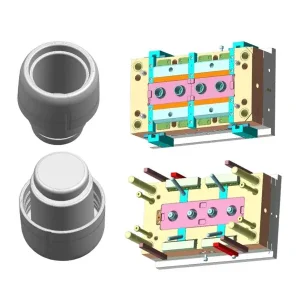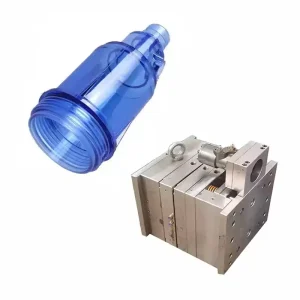
Custom polypropylene injection molding with AIM plastic, with engineering support, OEM, ODM, injection mold making, competitive price, shipment support
Polypropylene injection molding is one of the most commonly used injection molding technologies in the global plastic injection molding industry. As a versatile thermoplastic, polypropylene (PP) offers an excellent balance of cost, durability, low density, chemical resistance, and ease of processing.
Because of these advantages of polypropylene, it has become a preferred injection molding material for producing high-volume injection molded parts across industries such as packaging, automotive, medical, consumer goods, and industrial equipment.
This comprehensive guide explains what polypropylene injection molding is, why polypropylene plastic is so widely adopted, the different polypropylene material grades available, key injection molding process parameters, design guidelines such as wall thickness and shrinkage control, typical injection molding applications, advantages and limitations, and how to choose the right injection mold and manufacturing partner within a stable supply chain.
[bg_collapse_level2 view=”link” color=”#e34507″ icon=”arrow” expand_text=”Read More” collapse_text=”Read Less” ]
Polypropylene injection molding is a plastic injection molding process in which molten polypropylene resin is injected into a precision mold cavity, cooled under controlled conditions, and solidified to form a finished molded part with consistent geometry and tight tolerances.
The PP injection molding process involves four main stages:
Melting polypropylene pellets inside the barrel of an injection molding machine until the material reaches a fully molten state near its melting point
Injecting the molten plastic into the injection mold under controlled injection pressure
Cooling the polypropylene inside the mold cavity using an efficient polypropylene mold cooling system to manage shrinkage and dimensional stability
Ejecting the final molded part once the injection molding cycle is complete
This process enables mass production of lightweight, durable, and cost-efficient plastic components, making polypropylene one of the most widely used materials in modern injection molding polypropylene manufacturing.
Polypropylene is one of the most widely used thermoplastic materials in the world. Its popularity in plastic injection molding is driven by a combination of mechanical performance, processing stability, and material economics.
Polypropylene delivers strong mechanical properties at a relatively low resin cost. Its stable global supply chain and low processing energy requirements help reduce overall polypropylene injection molding cost, especially in high-volume production.
Thanks to its low density, polypropylene produces lightweight injection-molded parts without sacrificing toughness. Its polypropylene mechanical strength and fatigue resistance make it ideal for snap-fit designs and repetitive-use components.
One of the most valuable material properties of polypropylene is its excellent chemical resistance. PP resists acids, alkalis, and many solvents, outperforming some alternatives such as polyethylene in certain chemical environments.
Using polypropylene allows designers to create living hinges and flexible joints that withstand repeated bending. This ease of processing and flexibility is rarely matched by other commonly used injection molding materials.
Polypropylene has extremely low moisture absorption, which improves dimensional stability and reduces variation during injection molding cycles, especially in humid or wet environments.
Different grades of polypropylene are selected based on material choice, mechanical requirements, surface finish, and end-use conditions.
Homopolymer PP is the most commonly used form of polypropylene plastic in injection molding.
Key features:
High stiffness and strength
Good surface finish
Excellent chemical resistance
Low melt viscosity for easy mold filling
Typical applications:
Food containers
Household plastic parts
Packaging components
Copolymer PP incorporates ethylene to improve impact resistance and flow behavior.
Key features:
Improved impact strength
Better low-temperature performance
Balanced polypropylene flow behavior
Typical applications:
Automotive interior and exterior parts
Storage bins
Durable consumer goods
Random copolymer PP enhances clarity and flexibility.
Key features:
Higher transparency
Improved flexibility
Good aesthetics for visible injection molded parts
Typical applications:
Clear packaging
Medical containers
Consumer products
Glass-fiber-reinforced polypropylene is used in high-performance polypropylene molding where stiffness and dimensional control are critical.
Key features:
Increased rigidity
Improved heat resistance
Reduced shrinkage and better molding tolerances
Typical applications:
Automotive structural components
Appliance housings
Industrial plastic enclosures
Controlling processing parameters is essential for consistent part quality and for minimizing common defects in PP molding.
Typical polypropylene molding temperatures range from:
200°C – 250°C
Maintaining the correct melt temperature ensures proper flow into the mold cavity while preventing thermal degradation of the resin.
Recommended mold temperature range:
20°C – 60°C
Lower mold temperatures shorten cycle time, while higher temperatures improve surface finish and reduce flow marks.
Injection pressure varies based on wall thickness, runner design, and part geometry.
Typical range:
600 – 1200 bar
Proper injection pressure ensures full cavity filling without excessive flash or internal stress.
Polypropylene’s thermal characteristics allow for fast cooling and short polypropylene injection cycles, which significantly improve production efficiency compared to some engineering plastics.
Effective design for injection molding PP reduces cost, improves quality, and enhances part longevity.
Recommended wall thickness:
1.0 – 3.5 mm
Uniform wall thickness helps control polypropylene shrinkage rate, prevents warpage, and improves overall part optimization.
An adequate draft is critical for smooth part ejection from the injection mold.
Typical recommendations:
1° – 2° minimum
Additional draft for textured surfaces
Polypropylene is widely regarded as the best plastic material for living hinge designs.
Design considerations:
Hinge thickness of 0.3–0.5 mm
Smooth transitions to reduce stress concentration
Optimized gate location to control flow direction
Ribs increase stiffness without increasing wall thickness.
Best practices:
Rib thickness no more than 60% of nominal wall thickness
Proper draft on ribs
Rounded rib bases to reduce stress
Proper polypropylene gate location is essential for balanced flow, strength, and surface quality.
Common gate options for PP:
Edge gates
Fan gates
Tab gates
Hot runner valve gates for high-volume injection molding polypropylene production
Gate location and polypropylene runner design should be optimized to support consistent filling and minimize defects.
Polypropylene injection molding offers multiple benefits over other plastics and manufacturing methods. As a commodity plastic and thermoplastic polymer, polypropylene is one of the most widely adopted materials in injection molding for PP, thanks to its balanced polypropylene material properties, stable processing window, and low material cost.
Fast cycle times, low melt viscosity, and optimized processing conditions make PP injection molding highly efficient for mass production. Polypropylene is commonly supplied in the form of pellets, which melt quickly in the polypropylene molding machine and allow molten plastic into the mold, reducing cycle time and energy consumption.
Complex shapes, thin walls, snap-fits, and integrated features such as living hinge and flexible joints can be produced in one cycle. PP mold design supports thin-wall molding and integrated hinges, making polypropylene ideal for compact plastic components that require both flexibility and structural integrity.
Polypropylene is recyclable and widely reused in industrial and consumer markets. Recycled PP supports sustainability goals while maintaining acceptable mechanical performance in many PP molding applications, especially packaging and automotive interiors.
Many injection molding grade polypropylene materials meet FDA, EU food-contact, and medical regulations. With good chemical resistance, low moisture absorption, and compatibility with sterilization processes, polypropylene is used extensively in regulated industries.
Despite its advantages, polypropylene injection molding has several limitations that must be considered during material selection.
Although polypropylene has a relatively high melting point for a commodity plastic, its heat deflection temperature is lower than that of engineering thermoplastics such as PA, PC, or PEEK. For high-temperature industrial applications, reinforced PP or alternative materials may be required.
Unstabilized PP degrades under UV exposure. For outdoor applications, UV stabilizers or protective additives are necessary to maintain long-term performance and prevent material brittleness.
PP is slightly less stiff than ABS or glass-filled nylons. Where higher rigidity or load-bearing capability is required, glass-fiber-reinforced polypropylene or different polymers should be evaluated.
Polypropylene injection molding is widely used across industries due to its versatile material properties and ease of processing.
Food containers
Caps and closures
Thin-wall packaging
Reusable storage boxes
Polypropylene’s food safety compliance, flexibility, and good chemical resistance make it ideal for packaging that may come into contact with solvents, oils, or cleaning agents.
Interior trim parts
Battery housings
Air duct components
Clips and fasteners
In the automotive industry, PP injection molding is used for lightweighting and durability. Automotive-grade polypropylene often incorporates mineral or glass fillers to enhance impact resistance and improve structural integrity.
Syringes
Sample containers
Medical device housings
Disposable components
Medical-grade PP offers low moisture absorption, chemical resistance, and reliable performance under sterilization, making it suitable for precision injection-molded components.
Household goods
Furniture components
Storage bins
Personal care packaging
Polypropylene plastic injection is commonly used in consumer products where durability, appearance, and recyclability are critical.
Chemical containers
Equipment housings
Pallets and crates
Fluid handling components
In industrial applications, polypropylene molded components provide resistance to chemical solvents, stable mechanical performance, and long service life.
Understanding how polypropylene compares with other materials supports better material selection.
PP: Better chemical resistance, flexibility, fatigue life
ABS: Better surface finish and rigidity
PP: Higher stiffness, higher melting point
PE: Better impact resistance at low temperatures
The properties are similar to polyethylene, but PP offers improved heat resistance and stiffness in many injection molding applications.
PP: Lower cost, moisture resistance, easier processing
PA: Higher strength and temperature resistance
Consistent quality control is essential for reliable injection molding polypropylene parts.
Precision measurement ensures molded parts meet tolerance and wall thickness guidelines, accounting for polypropylene shrinkage behavior.
Inspection identifies defects such as flow marks, flash, and sink marks. Proper wall thickness design, controlled mold temperature, and optimized injection parameters help prevent sink marks and surface defects.
Certified polypropylene resin injection ensures compliance with industry standards and consistent polypropylene material properties.
Monitoring injection pressure, melt temperature, and cooling conditions ensures stable polypropylene molding process performance over long production runs.
Selecting the right polypropylene injection molding manufacturer is critical for successful product manufacturing.
A qualified PP injection molding partner should provide:
Material selection expertise
PP mold design and tooling support
Polypropylene mold flow analysis
DFM and design guide recommendations
Stable supply chain and production capability
Strict quality control systems
Experience with high-volume polypropylene product manufacturing
Early collaboration improves part optimization, reduces defect risks, and shortens time to market.
Polypropylene is one of the most recycled thermoplastics globally and remains a key material in circular economy initiatives.
Recycled PP is increasingly used in:
Packaging
Automotive interiors
Industrial plastic components
Balancing recycled content with performance requirements is essential during material selection.
As technology advances, PP injection molding continues to evolve.
Key trends include:
Lightweighting in automotive applications
Expanded use of recycled polypropylene
Thin-wall, high-speed molding
Smart tooling and automated process monitoring
Improved PP blends with enhanced impact and heat resistance
Polypropylene injection molding remains one of the most cost-effective and versatile plastic manufacturing processes. As a semi-crystalline solid polymer with low viscosity and excellent chemical resistance, polypropylene is commonly used across packaging, automotive, medical, and industrial sectors.
By understanding polypropylene molding process fundamentals, material properties, PP mold design principles, and defect control strategies, manufacturers can fully leverage the advantages of polypropylene injection molding to produce high-quality, durable injection molded parts at scale.
[/bg_collapse_level2]