

Plastic injection molding is a cornerstone of modern manufacturing, enabling the production of precise, durable, and complex plastic components in high volumes. However, like any injection molding process, it has its challenges.
One common issue that can compromise plastic part quality and production efficiency is the short shot. Understanding what causes short shots, how to prevent them, and best practices for correcting them is essential for manufacturers, engineers, and quality managers.
In this comprehensive guide, we will explore everything you need to know about short shot injection molding, including its definition, common causes, effects, prevention strategies, quality control measures, and real-world applications.
What Is a Short Shot Injection Molding?
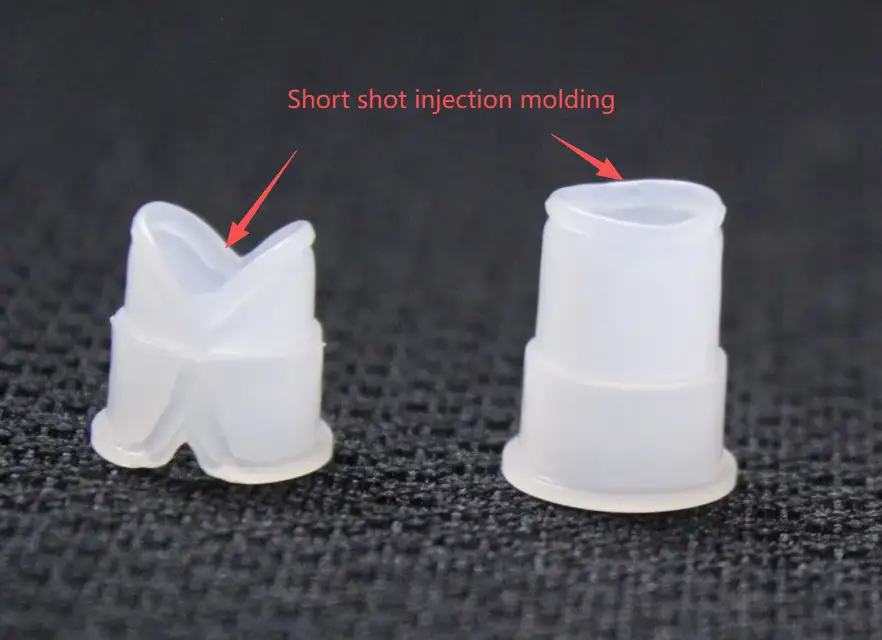
A short shot occurs when molten plastic fails to fill the injection mold cavity, resulting in an incomplete part with missing sections or irregular surfaces. Short shot defects can appear in both simple and complex plastic parts and are often identified during inspection or immediately after ejection.
Key characteristics of a short shot in injection molding:
- Missing material in areas of the mold or part features
- Uneven or incomplete surfaces
- Inconsistent weight or thickness
- Sharp or ragged edges along unfilled cavities
Short shot issues can result from a combination of material, machine, mold, and process factors, making it crucial to diagnose the root cause accurately.
Common Causes of Short Shot Injection Molding
Short shots can arise from multiple sources, often involving one or more of the following causes of short shots:
1. Inadequate Injection Pressure
If the injection pressure is too low, the molten plastic may not have enough force to fill the entire mold cavity, particularly in thin sections or complex geometries. Increasing the injection pressure often solves the short-shot problem.
2. Insufficient Melt Temperature
Plastic that is not heated to the proper melt temperature will have higher viscosity, reducing flowability and preventing the filling of the cavity, which can create incomplete injection molding.
3. Incorrect Mold Temperature
If the mold temperature is too low, the plastic may solidify prematurely. Conversely, if it is too high, cycle times may be inconsistent, potentially creating short-shot defects.
4. Short or Narrow Runners and Gates
Improperly designed mold cavities, runners, or gates can restrict plastic flow, creating bottlenecks that cause a short shot in specific areas.
5. Air Traps and Venting Issues
Trapped air in the injection mold cavity can block plastic flow, resulting in underfilled plastic parts. Adequate venting is essential to release trapped air and prevent short shot injection molding defects.
6. Material-Related Issues
- Low-flow plastics may struggle to completely fill complex molds.
- Moisture in hygroscopic materials like Nylon or ABS can reduce flowability, causing partial fill molding.
- Material degradation from excessive heat can increase viscosity, creating incomplete filling and plastic injection molded defects.
7. Worn or Damaged Mold
A mold with worn cavities, misaligned inserts, or damaged surfaces can restrict plastic flow and lead to short shots, especially in precision injection-molded parts.
Effects of Short Shot on Product Quality
Short shot defects are more than cosmetic—they can affect functionality, durability, and customer satisfaction.
Consequences include:
- Parts that fail dimensional or functional specifications
- Increased scrap rates and material waste
- Production delays due to troubleshooting and rework
- Higher operational costs and reduced efficiency
- Potential product failure in critical plastic components
Recognizing the impact of short shots is essential for maintaining injection molding quality control.
How to Prevent Short Shot Injection Molding
Prevention is better than correction. Proactive measures in mold design, material selection, and injection molding process control can reduce short shot injection molding issues significantly.
1. Optimize Injection Pressure and Speed
- Ensure injection pressure is sufficient to fill the entire mold cavity.
- Adjust injection speed to prevent plastic from prematurely solidifying, while avoiding turbulence that can create defects.
2. Maintain Proper Melt Temperature
- Follow manufacturer guidelines for processing melt temperature.
- Use consistent heating zones in the injection machine barrel to prevent cold spots.
3. Control Mold Temperature
- Maintain uniform mold temperature using cooling channels.
- Preheat molds for complex or thin-walled parts to improve plastic flow.
4. Improve Mold Design
- Widen gates or runners to reduce flow restrictions.
- Add additional gates for multi-cavity molds.
- Include adequate vents to release trapped air.
5. Select Suitable Materials
- Choose plastics with appropriate flowability.
- Properly dry hygroscopic materials to prevent injection molding defects.
- Avoid degraded or inconsistent plastic injection-molded materials.

6. Regular Mold Maintenance
- Inspect mold cavities for wear, alignment, and surface defects.
- Replace worn components to maintain proper filling of the cavity and consistent shot size.
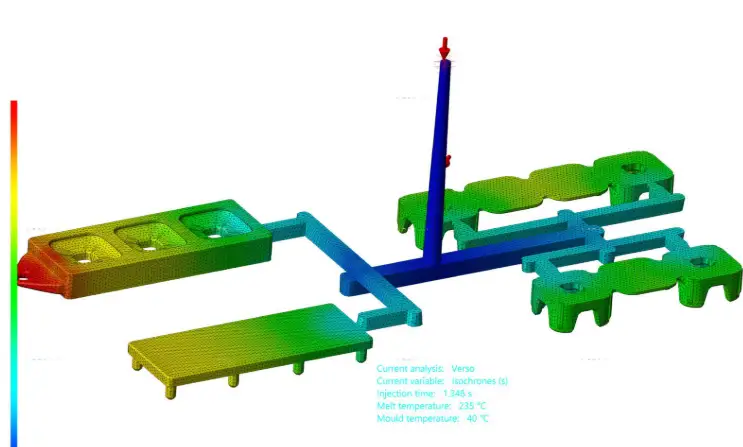
7. Use Mold Flow Analysis
- Simulate plastic flow using CAE tools to identify potential short shot areas.
- Optimize gate locations, runner sizes, and cavity pressure before production.
Identifying Short Shots Injection Molding in Production
Early detection of short shot defects minimizes material loss and downtime. Signs include:
- Missing corners, ribs, or intricate features in plastic parts
- Uneven thickness across the mold cavity
- Part weight lower than the design specification
- Visual inspection showing incomplete cavity fill
Automated inspection systems, such as weight checks, visual cameras, and 3D scanning, can detect short shot issues consistently and in real time.
Corrective Measures for Short Shot Issues
When short shots are detected in the plastic injection process, several corrective measures can be implemented to ensure complete mold filling and defect-free parts.
1. Adjust Machine Settings
- Increase injection pressure to provide enough material to fill the entire mold cavity, especially in thin-walled or deep cavities.
- Raise the melt or mold temperature to improve resin flow and reduce resistance to flow.
- Modify the injection speed if the injection speed is too slow, preventing cold material from solidifying prematurely in certain corners of the cavity.
2. Modify Mold Design
- Enlarge gates or runner system to reduce flow restrictions and ensure plastic enters all areas of the mold.
- Add extra gates for better material distribution in large or multi-cavity molds.
- Install or optimize venting systems to allow trapped air or air in the mold to escape as the plastic fills the mold.
3. Review Material Handling
- Proper material selection and drying of hygroscopic plastics improve mold filling and avoid short shots caused by moisture or degraded resin.
- Ensure raw material batch quality and viscosity consistency to maintain predictable plastic flow.
4. Consider Multi-Shot or Sequential Molding
For complex or large parts, multi-shot injection molding or sequential filling can ensure filling the mold completely and prevent partial fill molding.
Applications Where Short Shot Prevention Is Critical
Preventing short shots is essential in industries requiring precision, reliability, and high-quality injection molded parts.
1. Medical Devices
- Surgical instrument components
- Diagnostic housings
- Implantable or disposable devices
High-precision injection molding in medical applications demands thermoplastic short shot prevention, biocompatible materials, and strict process and lead controls.
2. Automotive Components
- Engine housings and interior trims
- Electrical connectors
- Functional plastic parts exposed to stress
Even minor short-shot defects can compromise durability, safety, and performance.
3. Consumer Electronics
- Smartphone and tablet housings
- Buttons and switches
- Power tool casings
Short shots in thin-walled or deep cavities affect aesthetic quality and fit.
4. Industrial Equipment
- Gears, enclosures, and functional components
- Safety-critical mechanical parts
These applications require defect-free injection molding, injection molding process control, and plastic manufacturing troubleshooting.
Best Practices to Minimize Short Shots
To consistently reduce short-shot issues, manufacturers should adopt the following best practices:
- Conduct thorough Design for Manufacturability (DFM) reviews during the design phase to anticipate flow channels and mold filling challenges.
- Use injection molding simulation and injection molding flow analysis to optimize material flow, runner system, and cooling system design.
- Implement preventive mold maintenance schedules to maintain mold cavities, venting, and surface finish.
- Train operators to monitor cycle time, injection speed, material temperature, and other critical process parameters.
- Establish in-line quality control measures such as weight checks, visual inspections, and 3D scanning for short shot detection.
The Role of Automation in Preventing Short Shots
Automation and monitoring systems play an increasing role in short shot prevention:
- Real-time process monitoring detects variations in injection pressure, temperature, and shot size.
- Robotic part handling ensures consistent placement and size in mold cavities, reducing the risk of defects.
- AI-powered defect prediction identifies potential short-shot areas before production, optimizing plastic flow and reducing cycle time.
Automation not only enhances injection molding productivity but also reduces material waste, downtime, and defective plastic parts.
Common Myths About Short Shots
- Myth: Short shots only occur in complex parts.
Fact: They can occur in simple parts due to inadequate injection, cold molds, or material viscosity issues. - Myth: Increasing injection pressure always solves short shots.
Fact: Pressure alone may not solve issues if the flow channels, runner system, or mold design is inadequate. - Myth: Only new molds have short shot problems.
Fact: Worn molds, damaged cavities, or improper maintenance can create short-shot defects even in established tooling.
Cost Implications of Short Shots Injection Molding
Short shots affect production costs in several ways:
- Material waste from rejected parts
- Increased labor for troubleshooting and rework
- Injection molding machine downtime for mold adjustments
- Reduced efficiency due to slowed cycles or multiple test runs
Preventing short shots saves money in raw material, operational costs and improves overall injection molding productivity.
Future Trends in Short Shot Injection Molding Prevention
- Advanced Mold Flow Simulation: Predictive models help prevent short-shot defects before production.
- Smart Injection Molding Machines: Self-adjusting machines maintain optimal melt temperature, injection pressure, and injection speed.
- Sustainable Material Use: Low-viscosity bio-based resins require a precise molding process to avoid short shot injection molding caused by inconsistent flow.
- IoT and Industry 4.0 Integration: Sensors and AI provide actionable insights to prevent short-shot issues and optimize cycle time and mold filling.
Conclusion
Short shots injection molding are a common yet preventable challenge in the injection molding process. By understanding the causes of short shots, identifying defects early, implementing proper process controls, and maintaining mold design and plastic material handling, manufacturers can produce high-quality, fully formed parts while minimizing waste and downtime.
From medical devices to automotive components, consumer electronics, and industrial equipment, preventing short shot injection molding ensures efficiency, product reliability, and customer satisfaction. Investing in mold flow analysis, material selection, and advanced monitoring systems guarantees every injection-molded part meets the highest standards.
Ultimately, mastering short shot injection molding allows manufacturers to produce defect-free plastic parts, improve manufacturing processes, and maintain a competitive edge in the market.