

This article will fully explains what is insert molding? Insert molding is a specialized injection molding manufacturing process that integrates metal or rigid inserts directly into plastic parts during molding.
Instead of assembling components after production, insert molded parts are formed as a single, unified structure, delivering superior strength, reliability, and design efficiency.
This guide provides a complete insert molding definition, explains what the insert molding process is, how it works in modern manufacturing, and when it is the right solution compared to traditional assembly or overmolding.
Insert Molding Definition
Insert molding is a manufacturing method where pre-formed inserts—typically metal—are placed into a mold cavity, and molten plastic is injected around them. Once cooled, the plastic solidifies and permanently locks the insert in place.
This process is commonly referred to as:
- Injection molding with inserts
- Plastic insert molding
- Metal insert molding
- Insert molding in injection molding
Insert molding is widely used when plastic alone cannot meet mechanical, electrical, or structural requirements.
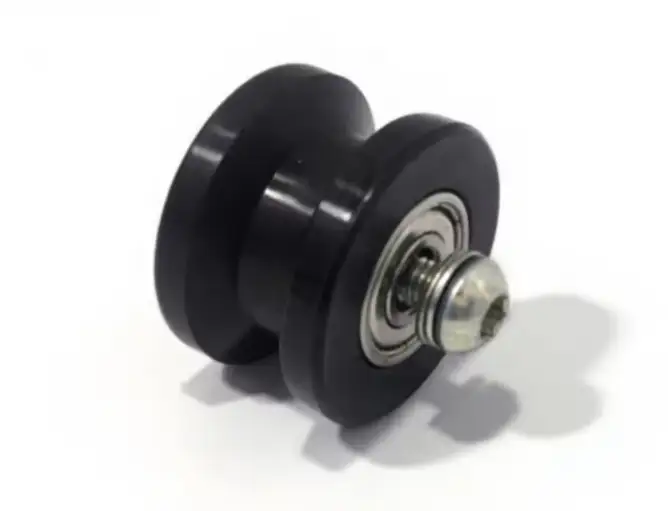
What Is Insert Molding Process?
To clearly understand what is insert molding process, it helps to break it down into controlled manufacturing steps.
Insert Molding Process Steps
- Insert Preparation
Inserts are cleaned, inspected, and sometimes surface-treated to improve bonding and retention. - Insert Placement
Inserts are positioned inside the mold cavity. Placement may be manual, semi-automated, or fully automated depending on production volume. - Plastic Injection
Molten thermoplastic is injected into the mold, flowing around the insert. - Cooling and Solidification
As the plastic cools, it shrinks slightly, mechanically locking the insert in place. - Ejection and Inspection
The finished insert molded part is removed and checked for alignment, strength, and dimensional accuracy.
This controlled sequence defines the insert molding manufacturing process used across industries.
Insert Molding Explained in Manufacturing
Insert molding explained simply: it replaces multiple parts and assembly steps with a single molded component.
In traditional manufacturing, metal inserts might be pressed, glued, or screwed into plastic parts after molding. Insert molding eliminates these secondary operations, making it a core insert molding technology in modern production environments.
Insert Molding in Manufacturing and Production
Insert molding in manufacturing is commonly used when:
- High mechanical strength is required
- Electrical conductivity must be integrated
- Long-term reliability is critical
- Production consistency matters
Insert molding production is well-suited for medium to high-volume manufacturing, especially when automation is involved.
Insert Molding vs Overmolding
A common comparison is insert molding vs overmolding.
| Feature | Insert Molding | Overmolding |
|---|---|---|
| Base component | Metal or rigid insert | Plastic or metal substrate |
| Primary purpose | Structural or electrical integration | Grip, sealing, aesthetics |
| Typical materials | Metal + plastic | Plastic + elastomer |
| Common use cases | Threaded inserts, connectors | Soft-touch surfaces |
Both processes are part of advanced injection molding, but serve different functional goals.
Insert Molding vs Assembly
Insert molding vs assembly highlights why many manufacturers switch to insert molding.
Insert Molding Advantages Over Assembly
- Fewer parts
- No loosening over time
- Higher pull-out strength
- Reduced labor and handling
Assembly-based methods may cost less upfront but often fail in long-term performance.
Insert Molding Advantages
Key insert molding advantages include:
- Improved mechanical strength
- Excellent insert retention
- Reduced part count
- Higher reliability under vibration
- Consistent quality in mass production
These advantages make insert molding ideal for demanding applications.
Insert Molding Disadvantages
Despite its benefits, insert molding disadvantages must be considered:
- Higher tooling complexity
- Increased mold cost
- Longer setup time
- Not ideal for very low volumes
Understanding both sides ensures proper process selection.
Insert Molding Applications Across Industries
Insert molding applications span many industries:
Automotive
- Sensor housings
- Threaded mounting brackets
- Electrical connectors
Electronics
- Electrical insert molding for terminals
- Insert molding for connectors
- Insulated conductive components
Medical Devices
- Surgical instrument handles
- Medical connectors
- Diagnostic device housings
Industrial Equipment
- Load-bearing components
- Tool housings
- Wear-resistant parts
Consumer Products
- Appliance components
- Structural fastening points
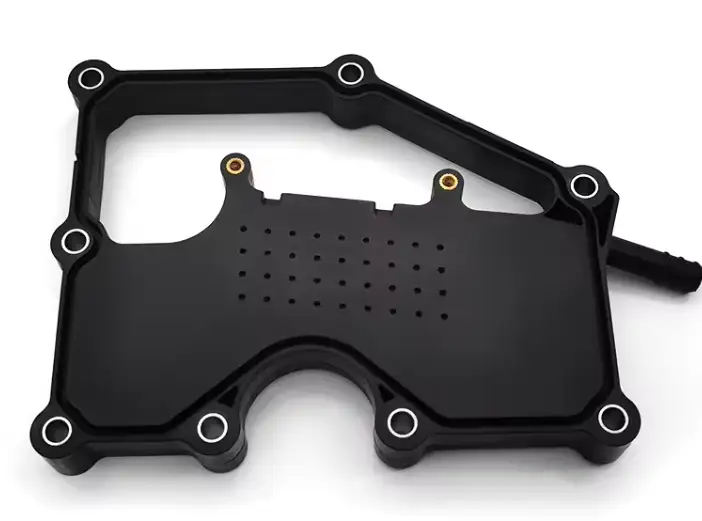
Insert Molding for Threaded Inserts
Insert molding for threaded inserts is one of the most common use cases.
Compared to self-tapping screws, molded-in threaded inserts offer:
- Higher torque resistance
- Better pull-out strength
- Longer service life
This is critical for parts requiring repeated fastening.
Electrical Insert Molding and Connector Manufacturing
Electrical insert molding integrates conductive metal contacts into insulating plastic.
Benefits include:
- Secure electrical positioning
- Improved insulation
- Protection from moisture and vibration
This makes insert molding for connectors essential in electronics and power systems.
Insert Molding Materials
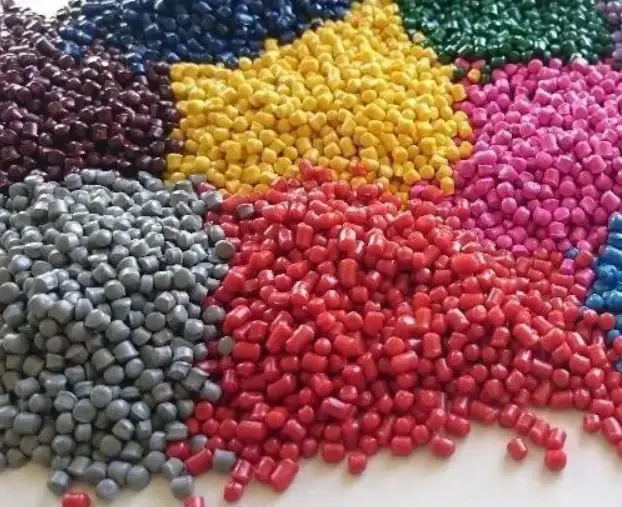
Plastic Insert Molding Materials
Common thermoplastics include:
- ABS
- Nylon (PA6, PA66)
- Polycarbonate (PC)
- PBT
- PPS
- Polypropylene (PP)
Material choice depends on temperature, strength, and chemical resistance.
Metal Insert Molding Materials
- Brass
- Stainless steel
- Aluminum
- Copper alloys
- Carbon steel
Compatibility between insert and plastic is essential for long-term durability.
Insert Molding Design Considerations
Successful projects begin with proper insert molding design considerations.
Key factors include:
- Insert geometry (knurling, undercuts)
- Wall thickness uniformity
- Plastic flow and gate location
- Thermal expansion differences
- Tolerance expectations
Design decisions directly affect insert retention and part quality.
Insert Molding Tooling
Insert molding tooling is more complex than standard injection molds.
Tooling must account for:
- Precise insert positioning
- Secure retention during injection
- Efficient cooling
- Automation compatibility
Well-designed tooling is critical for stable insert molding production.
Insert Molded Parts and Quality Control
Professional insert molding includes strict insert molding quality control measures:
- Incoming insert inspection
- In-process monitoring
- Dimensional measurement
- Functional testing
Quality control ensures every insert molded part meets performance requirements.
Insert Molding Cost Considerations
Insert molding cost depends on:
- Tooling complexity
- Insert handling method
- Material selection
- Production volume
Although tooling cost is higher, long-term savings are often achieved through reduced assembly and higher reliability.
Custom Insert Molding and Services
Many manufacturers require custom insert molding to meet specific design and performance needs.
Insert molding services typically include:
- Design support
- Tooling development
- Material selection
- Production and inspection
Custom solutions allow insert molding to be tailored for unique applications.
Insert Molding in Injection Molding Technology
Insert molding in injection molding represents an advanced manufacturing approach that combines materials, functions, and performance into a single process.
As manufacturing demands increase, insert molding technology continues to evolve through automation, precision tooling, and material innovation.
Conclusion
Insert molding is a proven and highly effective manufacturing process that integrates metal or rigid inserts directly into plastic components. By eliminating assembly steps and improving mechanical and electrical performance, insert molding delivers long-term reliability across many industries.
Understanding what insert molding is, how the insert molding manufacturing process works, and how it compares to alternatives like overmolding or assembly allows manufacturers to make informed design and production decisions.
When applied correctly, insert molding remains one of the most powerful technologies in modern injection molding.