

Insert molding advantages are widely used in modern manufacturing to produce durable, integrated plastic components with embedded metal or rigid inserts. While the process offers clear engineering and cost benefits, it is not the ideal solution for every application.
Understanding both the advantages and disadvantages of insert molding is essential for engineers, designers, and sourcing teams when selecting the right manufacturing method.
This article provides a practical, experience-based analysis of the benefits and limitations of insert molding, helping you determine when it makes sense—and when alternative processes may be more suitable.
What Is Insert Molding?
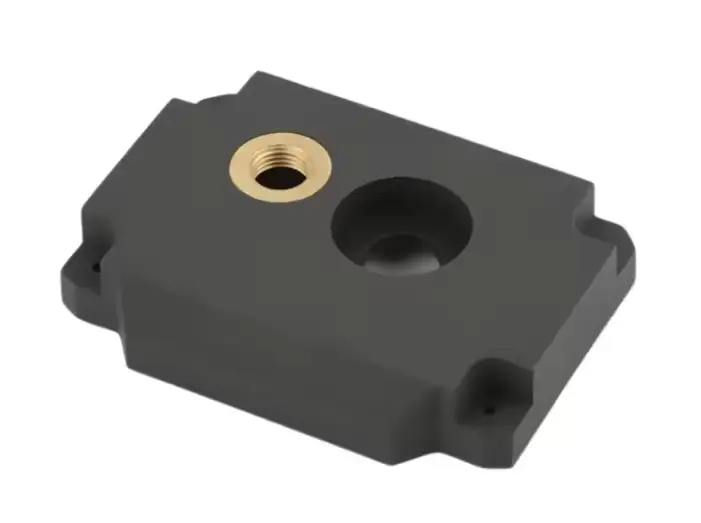
Insert molding is a variation of injection molding in which a pre-manufactured insert—commonly made of metal—is placed into a mold cavity before plastic is injected. The molten plastic flows around the insert, encapsulating it into a single, finished component.
Typical inserts include threaded bushings, electrical contacts, pins, shafts, and structural reinforcements. Insert molding is commonly used in automotive, electronics, medical devices, industrial equipment, and consumer products.
Key Insert Molding Advantages
Insert molding offers several significant advantages compared to traditional injection molding or post-mold assembly methods.
1. Strong Mechanical Integration
One of the most important advantages of insert molding is the strong bond between the plastic and the insert. Unlike press-fit or adhesive-based assemblies, insert molding creates mechanical interlocking during the molding process itself.
This results in:
- Higher pull-out and torque resistance
- Improved structural integrity
- Reduced risk of insert loosening over time
For components subjected to vibration, load, or repeated use, this integrated strength is a major advantage.
2. Reduced Assembly and Labour Costs
By combining multiple components into a single molding operation, insert molding eliminates secondary assembly steps such as:
- Press-fitting
- Adhesive bonding
- Manual fastening
This reduction in post-processing lowers labour costs, shortens production time, and simplifies supply chain management—especially in medium- to high-volume production.
3. Improved Part Reliability and Consistency
Because the insert is placed and encapsulated in a controlled molding environment, insert molding offers higher repeatability compared to manual assembly.
Benefits include:
- Consistent insert positioning
- Reduced dimensional variation
- Lower defect rates
This insert molding advantages make insert injection molding particularly attractive for applications where reliability and consistency are critical.
4. Design Flexibility and Compact Assemblies
Insert molding allows designers to combine the strength of metal with the flexibility of plastic in a compact form factor.
This enables:
- Smaller, lighter components
- Integrated fastening features
- Reduced overall part count
In space-constrained designs, insert molding often provides solutions that would be difficult or impossible with traditional assembly methods.
5. Enhanced Electrical and Thermal Performance
For electrical and electronic components, insert molding offers additional functional benefits.
- Metal inserts provide stable electrical conductivity
- Plastic encapsulation offers insulation and protection
- Improved heat dissipation in certain designs
These characteristics make insert molding ideal for connectors, terminals, and sensor housings.
6. Lower Long-Term Production Costs
While tooling costs may be higher initially, insert molding often results in lower total cost of ownership over the product lifecycle.
Savings come from:
- Fewer assembly operations
- Reduced scrap and rework
- Lower warranty and failure rates
In long-run production, these savings frequently outweigh the upfront investment.
Disadvantages of Insert Molding
Despite its many benefits, insert molding is not without limitations. Understanding these disadvantages is essential for realistic decision-making.
1. Higher Tooling Complexity and Cost
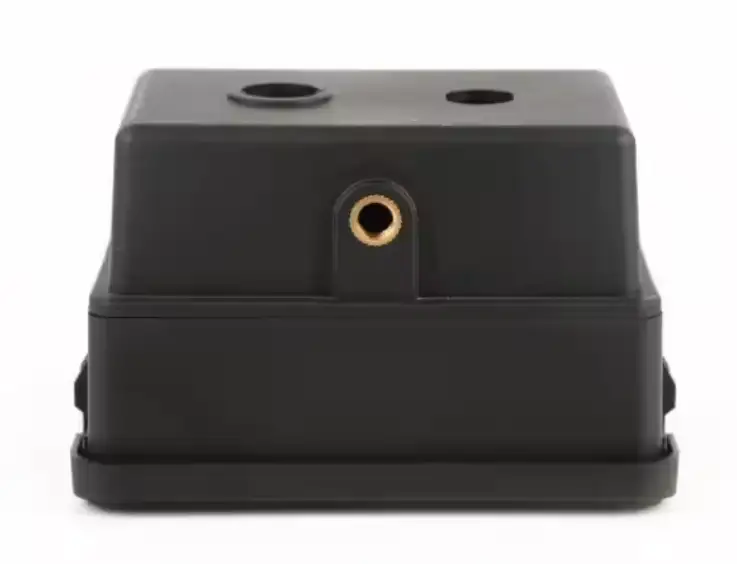
Insert molding requires more complex tooling compared to standard injection molding. Molds must be designed to:
- Accurately locate and retain inserts
- Prevent insert movement during injection
- Accommodate thermal expansion differences
This increases initial tooling cost and design time, especially for complex insert geometries.
2. Increased Process Complexity
The insert molding process involves additional steps, such as insert preparation and placement, which can introduce complexity.
Potential challenges include:
- Insert misalignment
- Increased cycle time
- Additional quality control requirements
For low-volume production, this complexity may outweigh the benefits.
3. Risk of Insert Movement or Damage
If not properly designed, inserts can shift, tilt, or deform during injection due to high melt pressure and flow forces.
This can lead to:
- Exposed or poorly bonded inserts
- Cosmetic defects
- Functional failures
Careful tooling design and process optimisation are required to minimise these risks.
4. Material Compatibility Limitations
Not all plastic and insert material combinations work well together. Differences in:
- Thermal expansion
- Surface energy
- Shrinkage behaviour
can lead to weak bonding or internal stress. In some cases, additional surface treatments or material changes are required, increasing cost and development time.
5. Slower Cycle Times in Some Applications
Insert molding cycle times can be longer than standard injection molding, particularly when:
- Inserts are manually loaded
- Preheating is required
- Complex cooling is needed
In high-speed production environments, this may limit throughput unless automation is implemented.
6. Less Flexibility for Late Design Changes
Once tooling is built, modifying insert geometry or placement can be costly. Compared to post-assembly methods, insert molding offers less flexibility for late-stage design changes.
This makes thorough upfront design validation especially important.
Insert Molding vs Alternative Manufacturing Methods
When evaluating insert molding, it is often compared to alternatives such as press-fit inserts, overmolding, or secondary assembly.
Insert molding is generally preferred when:
- High mechanical strength is required
- Assembly steps must be minimised
- Long-term reliability is critical
Alternative methods may be more suitable when:
- Production volume is very low
- Design changes are expected
- Tooling budgets are limited
Choosing the right process depends on balancing performance, cost, and production requirements.
When Do the Advantages Outweigh the Disadvantages?
Insert molding is most effective when:
- Production volumes justify tooling investment
- Inserts must withstand mechanical or thermal stress
- Part reliability is a priority
- Integrated, compact designs are required
For complex, high-performance components, the advantages of insert molding typically outweigh its limitations.
Conclusion
Insert molding offers a powerful combination of strength, efficiency, and design flexibility. Its ability to integrate inserts directly into molded plastic parts delivers significant benefits in terms of reliability, assembly reduction, and long-term cost savings.
However, insert molding is not a universal solution. Higher tooling costs, increased process complexity, and material compatibility challenges must be carefully considered during the design phase.
By understanding both the advantages and disadvantages of insert molding, manufacturers and engineers can make informed decisions and select the most effective production method for their specific application.