

Insert molding is one of those processes that looks simple on paper but becomes very material-sensitive once you’re actually running production. Choosing the wrong plastic or insert material doesn’t just affect strength—it can cause poor bonding, warpage, cosmetic defects, or long-term failure in the field.
This guide provides a clear, practical overview of insert molding materials, including common thermoplastics, insert materials, compatibility considerations, and real-world selection tips used in industrial manufacturing.
What Is Insert Molding?
Insert molding is an injection molding process where a pre-formed insert—metal, plastic, ceramic, or electronic component—is placed into the mold cavity before molten plastic is injected around it.
The result is a single integrated part that combines the structural or functional benefits of the insert with the design flexibility of plastic.
Insert molding is widely used in:
- Automotive components
- Medical devices
- Electronics housings
- Industrial connectors
- Consumer products
But material choice is what determines whether the process succeeds or fails.
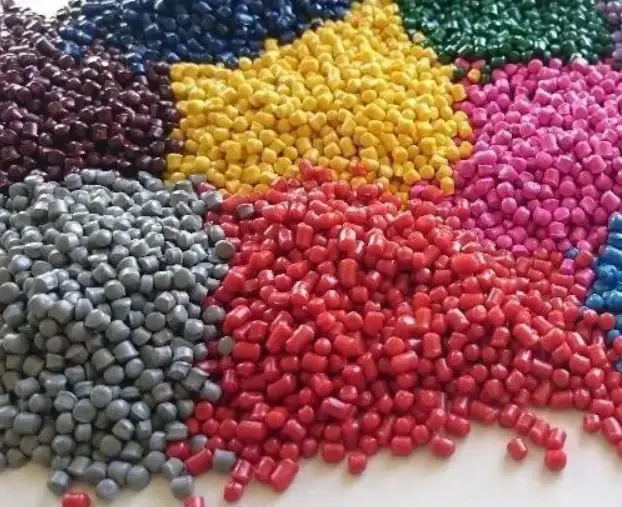
Why Insert Molding Material Selection Matters
Material selection in insert molding affects:
- Mechanical strength and load transfer
- Thermal expansion mismatch
- Adhesion between insert and plastic
- Chemical and environmental resistance
- Cost and cycle time
- Regulatory compliance (medical, food, electrical)
A mismatch in materials can lead to:
- Insert pull-out or rotation
- Cracking during cooling
- Stress whitening
- Electrical insulation failure
- Early fatigue or corrosion
That’s why experienced manufacturers always evaluate plastic + insert as a system, not separately.
Common Thermoplastics Used in Insert Molding
1. ABS (Acrylonitrile Butadiene Styrene)
ABS is one of the most widely used insert molding materials due to its balanced properties and ease of processing.
Key properties:
- Good impact resistance
- Stable dimensional control
- Easy to mold
- Moderate heat resistance
Typical applications:
- Electronic housings
- Consumer product components
- Automotive interior parts
ABS bonds reasonably well with metal inserts, especially when mechanical undercuts or knurling are used.

2. Nylon (PA6, PA66)
Nylon is a go-to insert molding materials for structural insert molded parts that require strength and durability.
Key properties:
- High tensile strength
- Excellent wear resistance
- Good chemical resistance
- High temperature tolerance
Considerations:
- Moisture absorption affects dimensions
- Requires proper drying before molding
Common uses:
- Threaded inserts
- Electrical connectors
- Automotive under-hood components
Glass-filled nylon is frequently used for high-load insert molding applications.
3. Polycarbonate (PC)
Polycarbonate is chosen when impact resistance and transparency are required.
Key properties:
- Very high impact strength
- Good heat resistance
- Electrical insulation properties
Applications:
- Electrical and electronic components
- Medical device housings
- Safety-critical enclosures
PC works well with metal inserts but requires precise temperature control to avoid stress cracking.
4. Polypropylene (PP)
Polypropylene is popular in high-volume, cost-sensitive insert molding projects.
Key properties:
- Lightweight
- Excellent chemical resistance
- Low material cost
Limitations:
- Lower stiffness
- Poor adhesion without mechanical locking
PP is commonly used with mechanically retained inserts rather than relying on chemical bonding.
5. PEEK and High-Performance Polymers
For demanding environments, engineering and high-performance plastics are used.
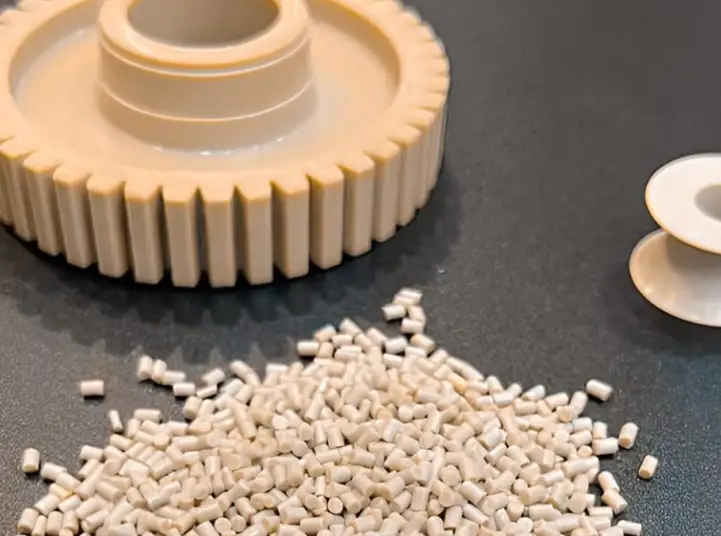
Examples:
- PEEK
- PPS
- PEI (Ultem)
Advantages:
- Extreme temperature resistance
- Excellent chemical stability
- High mechanical strength
Applications:
- Aerospace
- Medical implants
- Oil & gas components
These materials are expensive and require advanced tooling and processing expertise.
Common Insert Materials Used in Insert Molding
1. Metal Inserts
Metal inserts provide strength, conductivity, and wear resistance.
Common metals:
- Brass (most popular)
- Stainless steel
- Aluminum
- Copper
Why brass is widely used:
- Excellent corrosion resistance
- Good machinability
- Compatible thermal expansion
Metal inserts are often knurled, threaded, or perforated to improve mechanical retention.
2. Plastic Inserts
Plastic-to-plastic insert molding is used when weight reduction or insulation is required.
Typical materials:
- Nylon
- ABS
- POM
Plastic inserts are common in multi-material assemblies where metal is not required.
3. Electronic Inserts
Insert molding is widely used in electronics to encapsulate and protect components.
Examples:
- Terminals
- Sensors
- PCBs
- Contacts
Material selection must account for thermal sensitivity and electrical insulation.
Material Compatibility in Insert Molding
Material compatibility determines whether the plastic will properly encapsulate and retain the insert.
Key factors include:
Thermal Expansion
Different materials expand and contract at different rates. Poor matching can cause:
- Internal stress
- Cracks
- Insert loosening
This is especially critical in high-temperature applications.
Adhesion vs Mechanical Locking
Most insert molding relies on mechanical retention, not chemical bonding.
Common retention methods:
- Knurling
- Grooves
- Holes
- Undercuts
Some plastics, like nylon, offer limited chemical adhesion, but mechanical design is still essential.
Processing Temperature
Insert materials must withstand injection temperatures without deformation or degradation.
For example:
- Low-melting inserts may warp
- Electronic components require controlled molding profiles
Special Considerations for Industry Applications
Medical Insert Molding Materials
Medical applications require:
- Biocompatibility
- Sterilization resistance
- ISO 13485 compliance
Common materials:
- Medical-grade nylon
- PC
- PEEK
Automotive Insert Molding Materials
Automotive parts must handle:
- Vibration
- Heat cycling
- Chemical exposure
Common combinations:
- Glass-filled nylon + brass inserts
- PPS + stainless steel
Electronics and Electrical Applications
Key requirements:
- Electrical insulation
- Heat resistance
- Dimensional stability
PC, nylon, and PPS are frequently used in electrical insert molding.
How to Choose the Right Insert Molding Material
A practical selection process usually follows these steps:
- Define mechanical and environmental requirements
- Identify insert function (load, conductivity, fastening)
- Match thermal and chemical compatibility
- Consider production volume and cost
- Validate through prototyping and testing
Experienced manufacturers often run mold flow analysis and pull-out testing before full production.
Common Insert Molding Material Problems (and How to Avoid Them)
Insert movement during injection
→ Improve fixturing or reduce injection pressure
Poor bonding
→ Redesign insert geometry for better mechanical lock
Cracking after molding
→ Check thermal expansion mismatch and cooling rate
Cosmetic defects
→ Optimize gate location and material flow
Conclusion
Insert molding materials are not interchangeable. The success of an insert molded part depends on how well the plastic resin, insert material, and process parameters work together.
From standard ABS and nylon to high-performance polymers like PEEK, each material brings its own strengths and limitations. Understanding these differences allows manufacturers to design stronger, more reliable, and more cost-effective insert molded components.
When material selection is done correctly, insert molding delivers integrated functionality, reduced assembly cost, and long-term performance—exactly why it remains a critical process across automotive, medical, electronics, and industrial manufacturing.