

Insert molding is widely adopted across modern manufacturing because it allows plastic and rigid components—most commonly metal inserts—to be combined into a single, high-performance part.
By encapsulating inserts directly during the injection molding process, manufacturers can improve strength, reliability, and functionality while reducing assembly steps and long-term costs.
In this article, we explore the most common insert molding applications, explain why the process is chosen in each case, and highlight the functional advantages that make insert molding a preferred solution across multiple industries.
Understanding Insert Molding Applications
Insert molding is typically used when a plastic component must integrate:
- Structural reinforcement
- Threaded fastening points
- Electrical conductivity
- Wear resistance
- Precise alignment
Instead of assembling these features after molding, insert molding builds them directly into the part. This results in stronger, more reliable components with fewer failure points.
Because of these advantages, insert molding applications are found in industries where performance, durability, and consistency are critical.
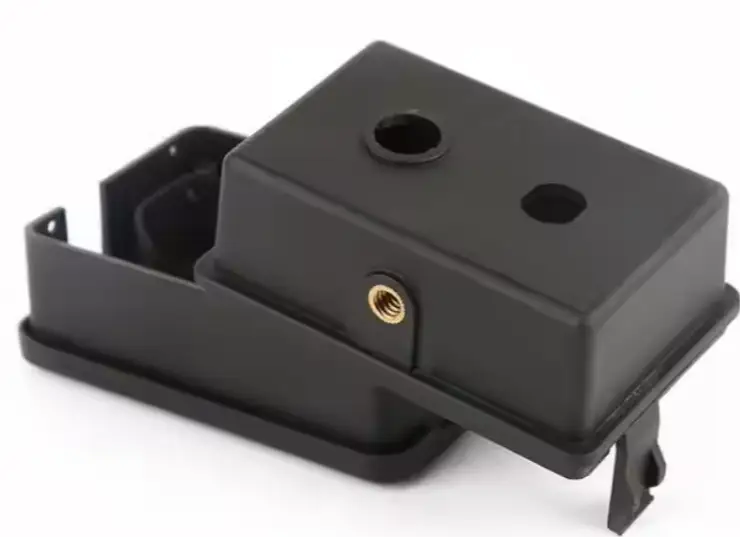
Automotive Insert Molding Applications
The automotive industry is one of the largest users of insert molding due to its demand for lightweight, durable, and high-volume components.
Common Automotive Applications
- Sensor housings with metal contacts
- Threaded plastic brackets
- Electrical connectors and terminals
- Structural clips and fasteners
- Interior and under-hood components
Why Insert Molding Is Used
- High mechanical strength under vibration
- Excellent dimensional repeatability
- Reduced part count and assembly time
- Improved resistance to heat, oil, and chemicals
Insert molding enables automotive manufacturers to meet strict performance and reliability requirements while supporting large-scale production.
Electronics and Electrical Insert Molding Applications
Insert molding plays a critical role in electronics, where plastic insulation and metal conductivity must coexist in compact designs.
Typical Electronics Applications
- Electrical connectors and terminals
- Switch components
- Sensor assemblies
- Insulated conductive parts
- Control housings
Key Benefits in Electronics
- Secure positioning of conductive elements
- Improved electrical insulation
- Protection against moisture and contaminants
- Reduced risk of loose contacts
By integrating metal contacts directly into plastic components, insert molding improves both electrical performance and product lifespan.
Medical Device Insert Molding Applications
Medical devices often require precise, durable, and hygienic components that meet strict regulatory standards. Insert molding is frequently used to achieve these requirements.
Common Medical Applications
- Surgical instrument handles
- Diagnostic device housings
- Medical connectors and fittings
- Threaded components for disposable devices
- Wear-resistant plastic parts
Why Insert Molding Fits Medical Manufacturing
- High dimensional accuracy
- Strong insert retention for safety-critical parts
- Reduced assembly and contamination risk
- Compatibility with medical-grade plastics
Insert molding helps medical manufacturers produce reliable components while maintaining clean, repeatable production processes.

Industrial Equipment Insert Molding Applications
In industrial environments, components are often exposed to mechanical stress, impact, and harsh operating conditions. Insert molding provides the strength and durability required for these applications.
Typical Industrial Applications
- Tool housings and handles
- Load-bearing brackets
- Wear-resistant guides
- Threaded mounting components
- Structural plastic assemblies
Advantages for Industrial Use
- Metal reinforcement without increased weight
- Improved resistance to wear and fatigue
- Reduced maintenance and replacement needs
Insert molding allows industrial equipment manufacturers to combine toughness and efficiency in demanding applications.
Consumer Product Insert Molding Applications
Insert molding is also widely used in consumer products, where appearance, ergonomics, and cost efficiency are important.
Common Consumer Applications
- Appliance components
- Handheld tool housings
- Fastening points in plastic enclosures
- Wear-resistant knobs and controls
- Structural parts requiring repeated use
Why Insert Molding Is Effective
- Clean, integrated designs
- Reduced assembly steps
- Consistent quality at high volumes
- Improved durability for end users
These benefits make insert molding well-suited for mass-produced consumer goods.
Aerospace Insert Molding Applications
Aerospace applications demand lightweight materials combined with high strength and reliability. Insert molding supports these requirements when designed and executed correctly.
Aerospace Use Cases
- Lightweight structural components
- Mounting brackets
- Sensor housings
- Electrical interface parts
Key Considerations
- Tight tolerances
- Material compatibility
- Performance under temperature extremes
While aerospace insert molding volumes are typically lower, the process offers significant performance advantages in weight-critical designs.
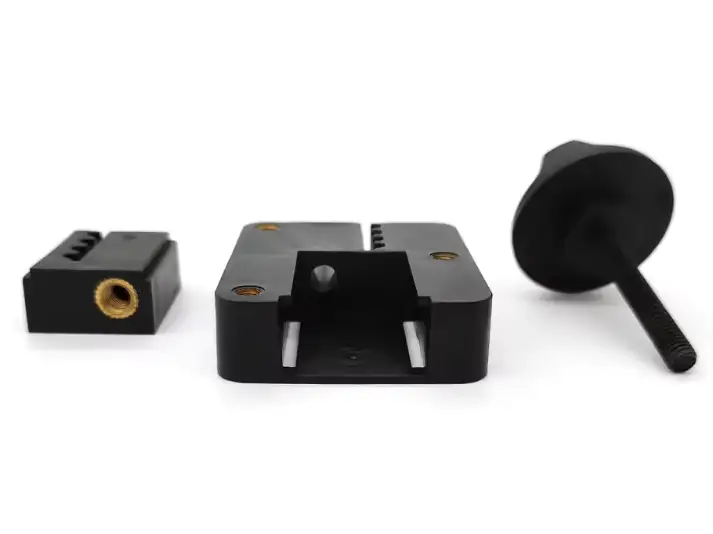
Renewable Energy and Power Systems
Insert molding is increasingly used in renewable energy systems and power-related equipment.
Applications Include
- Electrical connectors for power systems
- Sensor housings
- Structural components for energy equipment
- Weather-resistant fastening solutions
Insert molding helps protect sensitive components while ensuring long-term durability in outdoor and high-stress environments.
Insert Molding for Threaded and Fastening Components
One of the most common insert molding applications involves threaded inserts.
Typical Uses
- Screws and bolts in plastic assemblies
- Repeated fastening and unfastening points
- Load-bearing connections
Insert molding provides superior pull-out strength compared to self-tapping screws or press-fit inserts, especially in applications requiring long-term reliability.
Why Insert Molding Is Chosen Over Secondary Assembly
Across all industries, insert molding is often selected instead of post-mold assembly because it offers:
- Better structural integrity
- Lower assembly labour costs
- Improved repeatability
- Reduced risk of failure
Although tooling investment may be higher, the performance and cost benefits make insert molding the preferred solution in many applications.
Factors That Influence Insert Molding Application Suitability
Not every part is a good candidate for insert molding. Suitability depends on factors such as:
- Production volume
- Insert complexity
- Material compatibility
- Tolerance requirements
- Expected mechanical loads
Careful evaluation during the design phase ensures that insert molding delivers maximum value for the intended application.
Conclusion
Insert molding applications span a wide range of industries, from automotive and electronics to medical devices, industrial equipment, and consumer products. The ability to integrate metal or rigid inserts directly into plastic components provides unmatched strength, reliability, and design efficiency.
When used in the right application, insert molding reduces assembly complexity, improves performance, and lowers long-term production costs.
Understanding where and why insert molding is applied allows engineers and manufacturers to make informed decisions and develop components that meet both functional and commercial requirements.