Custom plastic injection moulding - AIM plastic
medical device plastic injection molding

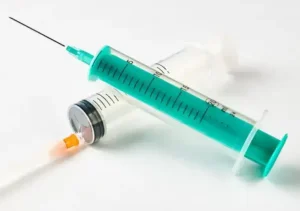
Medical Device Plastic Injection Molding: Sterile and Precise Parts

Medical device plastic injection molding plays a critical role in modern healthcare and the broader medical field. From disposable syringes to complex diagnostic housings, injection-molded plastic components are widely used in medical devices and medical equipment. These plastic parts are expected to perform flawlessly — often inside or in direct
Injection Molding for Household Appliances

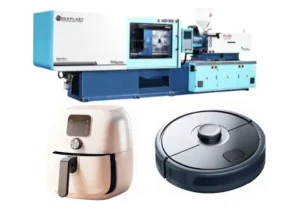
A Guide to Injection Molding for Household Appliances

Today, we will talk about the injection molding for household appliances. Injection molding plays a vital role in the manufacturing of modern household appliances. From refrigerators and washing machines to coffee makers, vacuum cleaners, and smart kitchen devices, injection-molded plastic components are everywhere. These parts must meet strict requirements for

Engineering Plastics

Engineering Plastics in Injection Molding: Properties and Applications

Engineering plastics play a critical role in modern plastic injection molding. As product designs become lighter, stronger, more compact, and more demanding, traditional commodity plastics such as polypropylene (PP) and polyethylene (PE) are often no longer sufficient. These standard plastics are easy to process, but their mechanical properties, heat resistance,

Consumer Electronics Injection Molding

Consumer Electronics Injection Molding: Materials, Applications, and Trends

The consumer electronics industry is one of the fastest-growing and most innovative markets in the world. From smartphones and wearable devices to smart home systems and personal gadgets, manufacturers demand plastic components that are precise, lightweight, durable, and visually flawless. At the heart of this production process lies consumer electronics injection molding.

3D Printing vs Injection Molding

3D Printing vs Injection Molding: When to Use Each Technology

In modern manufacturing, few decisions are as important as choosing the right production technology. Two of the most widely used methods for producing plastic parts today are 3D printing and injection molding. Each technology offers unique advantages, limitations, and ideal use cases. For product designers, startups, engineers, and manufacturers, understanding

Medical Insert Molding

Advanced Manufacturing for Medical Insert Molding

Medical insert molding is a high-precision manufacturing process used to produce medical-grade plastic components with integrated metal or rigid inserts. By combining metal and plastic, biocompatible materials, and complex geometries, medical insert molding injection enables the production of implantable, wearable, and high-performance medical devices while reducing assembly steps and improving quality

Insert Molding Applications

Insert Molding Applications: Where This Manufacturing Process Is Used

Insert molding is widely adopted across modern manufacturing because it allows plastic and rigid components—most commonly metal inserts—to be combined into a single, high-performance part. By encapsulating inserts directly during the injection molding process, manufacturers can improve strength, reliability, and functionality while reducing assembly steps and long-term costs. In this